Poodles are renowned for their elegance, intelligence, and generally robust health. However, like all purebred dogs, they are predisposed to certain genetic and breed-specific conditions. Understanding these potential Poodle breed-specific health issues is essential for proactive owners. This knowledge allows you to work closely with your veterinarian to ensure a long, healthy, and happy life for your beloved companion. From Standard to Miniature and Toy Poodles, while some conditions vary by size, many are shared concerns.
Being a responsible Poodle owner means being informed about the potential health challenges your dog might face. Early detection and intervention can significantly impact the quality and length of your Poodle’s life. Therefore, regular veterinary check-ups and a keen eye for any changes in your dog’s behavior or physical condition are paramount. This comprehensive guide will explore common health conditions across all Poodle sizes, offering insights into prevention, symptoms, and management strategies.
Common Orthopedic Concerns in Poodles
Orthopedic problems can affect Poodles of all sizes. For instance, patellar luxation, where the kneecap slips out of place, is more prevalent in Miniature and Toy Poodles. This condition often requires surgical correction in severe cases. Conversely, hip dysplasia, a malformation of the hip joint, is more commonly seen in Standard Poodles. Early diagnosis through veterinary exams and X-rays is crucial for both conditions. Maintaining a healthy weight and providing appropriate exercise can help manage and reduce the severity of these issues. Furthermore, proper nutrition supports strong bone and joint health throughout your Poodle’s life.
Understanding Bloat (Gastric Dilatation-Volvulus) in Standard Poodles
Standard Poodles, being deep-chested dogs, are at a higher risk for Gastric Dilatation-Volvulus (GDV), commonly known as bloat. This life-threatening condition involves the stomach filling with gas and often twisting, cutting off blood supply. Symptoms include restlessness, unproductive retching, a distended abdomen, and weakness. It’s a medical emergency requiring immediate veterinary intervention. Owners can take preventive measures like feeding multiple small meals and avoiding intense exercise around meal times. Additionally, discussing prophylactic gastropexy with your vet is a wise consideration for at-risk dogs. For more in-depth information on prevention, consider reading our guide: Protecting Your Poodle: Essential Strategies for Preventing Bloat.
Eye Conditions Affecting Poodles
Several eye conditions are more common in Poodles. Progressive Retinal Atrophy (PRA) is a degenerative disease that leads to blindness. Thankfully, genetic testing is available for several forms of PRA, allowing breeders to make informed decisions. Cataracts, which cloud the lens of the eye, can also affect Poodles, sometimes requiring surgical removal to restore vision. Regular eye examinations by a veterinary ophthalmologist can help detect these issues early and manage them effectively. Early detection is key to preserving your Poodle’s sight and quality of life.
Sebaceous Adenitis: A Poodle Skin Mystery
Sebaceous Adenitis (SA) is an inflammatory skin disease that primarily affects Standard Poodles, though it can appear in other sizes. It results from the destruction of the sebaceous glands, leading to dry, scaly skin, hair loss, and sometimes secondary infections. Diagnosis involves a skin biopsy. While there’s no cure, management often involves specialized shampoos, conditioners, and topical treatments to improve skin health and comfort. Awareness and early intervention are key to managing this challenging condition. Moreover, regular grooming and moisturizing can help alleviate symptoms.
Endocrine and Autoimmune Disorders
Poodles are also susceptible to certain endocrine and autoimmune conditions. Hypothyroidism, an underactive thyroid gland, can cause weight gain, lethargy, hair loss, and skin problems. Fortunately, it is treatable with daily medication. Addison’s disease, or hypoadrenocorticism, is another significant concern, particularly in Standard Poodles. This condition occurs when the adrenal glands don’t produce enough hormones. Symptoms can be vague, including lethargy, vomiting, and diarrhea, and it can be life-threatening if not diagnosed and treated promptly. Genetic screening and regular blood work are vital tools for early detection and management of these conditions.
Understanding Epilepsy in Poodles
Idiopathic epilepsy, a neurological disorder causing recurrent seizures, is another condition observed in Poodles. While the exact cause is often unknown, a genetic predisposition is suspected. Seizures can vary in severity and frequency. Diagnosis typically involves ruling out other potential causes of seizures. Management often includes anticonvulsant medication to control seizure activity and improve the dog’s quality of life. Owners should work closely with their veterinarian to develop an individualized treatment plan. Keeping a detailed log of seizure events can also be very helpful for your vet.
Genetic Testing and Responsible Breeding
For prospective Poodle owners, choosing a reputable breeder is paramount. A responsible breeder will conduct extensive genetic testing on their breeding stock for common hereditary conditions, helping to reduce the incidence of Poodle breed-specific health issues in puppies. This includes tests for PRA, von Willebrand’s disease, patellar luxation, hip dysplasia, and others. Always ask to see health clearances for both parents. Furthermore, a good breeder will be transparent about their dogs’ health history and willing to answer all your questions. Learn more about finding a responsible breeder in our guide: Choosing Wisely: How to Find a Reputable Poodle Breeder.
Preventive Care and Early Detection
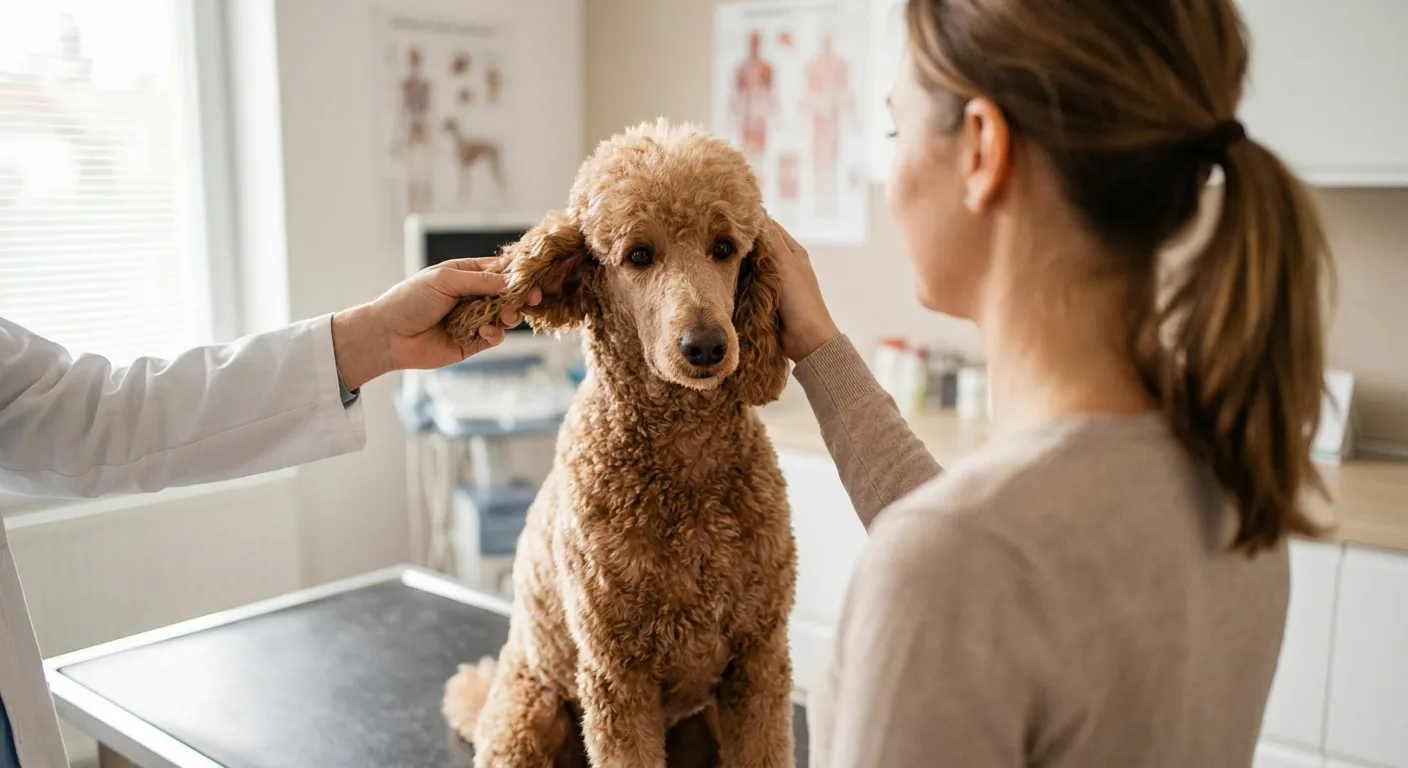
Proactive care is the cornerstone of managing potential health problems in your Poodle. Regular veterinary check-ups, typically annually for adult dogs and more frequently for puppies and seniors, are essential. These visits allow your vet to perform thorough physical examinations, recommend necessary vaccinations, and conduct routine blood work. Early detection of any emerging health concerns can lead to more effective treatment and better outcomes. Discussing your Poodle’s diet, exercise routine, and any behavioral changes with your vet is also crucial during these appointments.
Nutrition and Exercise for Poodle Health
A balanced diet and appropriate exercise play a significant role in preventing and managing many Poodle breed-specific health issues. High-quality dog food tailored to your Poodle’s age, size, and activity level provides essential nutrients. Overfeeding can lead to obesity, which exacerbates orthopedic problems and increases the risk of other health issues. Regular, moderate exercise keeps muscles strong, maintains a healthy weight, and supports cardiovascular health. Remember that exercise needs vary by Poodle size; Standard Poodles require more vigorous activity than Toy Poodles. For guidance on optimal nutrition, see our article: Fueling Your Poodle: A Guide to Choosing the Best Dry Food for Optimal Health.
Dental Health: More Than Just a Pretty Smile
While not strictly a breed-specific issue in the same way as genetic conditions, dental disease is incredibly common in Poodles, especially smaller varieties. Toy and Miniature Poodles are particularly prone to plaque and tartar buildup, which can lead to gum disease, tooth loss, and even systemic infections affecting the heart, kidneys, and liver. Regular dental care, including brushing your Poodle’s teeth at home, professional cleanings by your vet, and appropriate dental chews, is vital. Don’t underestimate the impact of good oral hygiene on your Poodle’s overall health. Find valuable tips in our guide: Sparkling Smiles: Essential Dental Care Tips for Your Poodle’s Oral Health.
Immunological Conditions and Allergies
Poodles can also be susceptible to various immunological conditions and allergies. Allergies, whether environmental, food-related, or flea-induced, can cause skin irritation, itching, and ear infections. Identifying and managing allergens is crucial for your Poodle’s comfort. Autoimmune hemolytic anemia (AIHA) and immune-mediated thrombocytopenia (ITP) are more serious autoimmune disorders where the immune system mistakenly attacks the body’s own red blood cells or platelets, respectively. These conditions require immediate veterinary attention and often long-term management with immunosuppressive drugs. Understanding these complex immune-related Poodle breed-specific health issues is vital for prompt action.
Addressing Senior Poodle Health Challenges
As Poodles age, they may develop a new set of health concerns. Arthritis, cognitive dysfunction (similar to Alzheimer’s in humans), and an increased risk of certain cancers become more prevalent. Regular senior check-ups, often twice a year, are recommended to monitor for these age-related changes. Your veterinarian can suggest pain management strategies for arthritis, dietary adjustments, and supplements to support cognitive function. Providing a comfortable environment and adjusting exercise routines are also important for senior Poodles. For comprehensive guidance, refer to our article on Golden Years, Golden Care: Comprehensive Senior Poodle Care Tips for a Happy, Healthy Life.
The Role of a Proactive Owner
Being a proactive Poodle owner means more than just providing food and shelter. It involves diligent observation, consistent veterinary care, and a commitment to understanding your Poodle’s unique needs. Educating yourself about common Poodle health issues empowers you to advocate for your dog’s well-being. Furthermore, maintaining open communication with your veterinarian is crucial. They are your best resource for navigating the complexities of canine health. Consider joining Poodle owner communities or reputable online forums for shared experiences and support, always cross-referencing information with your vet. For instance, the Orthopedic Foundation for Animals (OFA) provides a wealth of information on genetic health testing for various breeds, including Poodles. Additionally, the American Kennel Club (AKC) offers breed-specific health statements and resources.
Conclusion
Poodles are wonderful companions, and with proper care, they can live long, fulfilling lives. While Poodle breed-specific health issues exist, many can be successfully managed or even prevented with early detection and proactive measures. By partnering with a knowledgeable veterinarian, prioritizing genetic testing, providing excellent nutrition and exercise, and remaining vigilant about your Poodle’s health, you can significantly enhance their quality of life. Your dedication as an owner makes all the difference in ensuring your Poodle remains happy, healthy, and thriving for many years to come. Ultimately, a well-informed owner is a Poodle’s best advocate.
FAQ: What are common health concerns for Poodles?
Poodles are prone to various health conditions, including orthopedic problems like patellar luxation and hip dysplasia, eye conditions such as Progressive Retinal Atrophy and cataracts, and endocrine disorders like hypothyroidism and Addison’s disease. Skin issues like Sebaceous Adenitis and neurological conditions such as epilepsy are also seen. Being aware of these potential issues helps owners provide the best care.
FAQ: How can I prevent health problems in my Poodle?
Prevention starts with choosing a reputable breeder who conducts thorough genetic health testing. Beyond that, regular veterinary check-ups, a balanced diet, appropriate exercise, and diligent at-home care (like dental hygiene) are crucial. Early detection through vigilant observation and routine screenings can also prevent minor issues from becoming major problems.
FAQ: Are Miniature and Toy Poodles susceptible to different health issues than Standards?
While many health concerns are shared across all Poodle sizes, some are more prevalent in specific varieties. For example, patellar luxation is more common in Miniature and Toy Poodles, while hip dysplasia and bloat are more frequently observed in Standard Poodles. Sebaceous Adenitis is also primarily a concern for Standard Poodles. Understanding these size-specific tendencies is helpful.
FAQ: What is bloat, and why are Standard Poodles at risk?
Bloat, or Gastric Dilatation-Volvulus (GDV), is a life-threatening condition where the stomach fills with gas and can twist. Standard Poodles, being deep-chested, are at higher risk. Preventive measures include feeding smaller, more frequent meals, avoiding exercise around meal times, and discussing a prophylactic gastropexy surgery with your vet.
FAQ: How important is genetic testing for Poodle health?
Genetic testing is extremely important, especially for breeding dogs. It helps identify carriers or affected individuals for hereditary conditions like PRA, von Willebrand’s disease, and certain orthopedic issues. This allows responsible breeders to make informed decisions, significantly reducing the incidence of these inherited diseases in future generations of Poodles.