Bringing a Poodle into your family is a significant commitment. The journey often begins with finding a responsible and ethical source. A reputable Poodle breeder prioritizes the health, temperament, and welfare of their dogs. They ensure that puppies are well-socialized and free from genetic conditions. Avoiding backyard breeders and puppy mills is crucial for the well-being of your future companion. Moreover, it supports responsible breeding practices.
Understanding what distinguishes a good breeder from a poor one is essential. This knowledge empowers you to make an informed decision. Furthermore, it helps you avoid potential heartbreak and costly veterinary bills in the long run. We will explore the characteristics that define ethical breeding. Also, we will highlight the red flags you must watch out for during your search.
What Makes a Reputable Poodle Breeder Stand Out?
When searching for a reputable Poodle breeder, several key indicators can help guide your decision. First and foremost, a good breeder will be transparent about their breeding practices. In addition, they will be eager to answer all your questions thoroughly. They should conduct extensive health testing on both parent dogs for breed-specific genetic conditions. For example, these include hip dysplasia, eye diseases (PRA), and von Willebrand’s disease. They will provide documentation of these health clearances without hesitation. This transparency is a hallmark of ethical breeding. You can learn more about general Poodle health and wellness on our site.
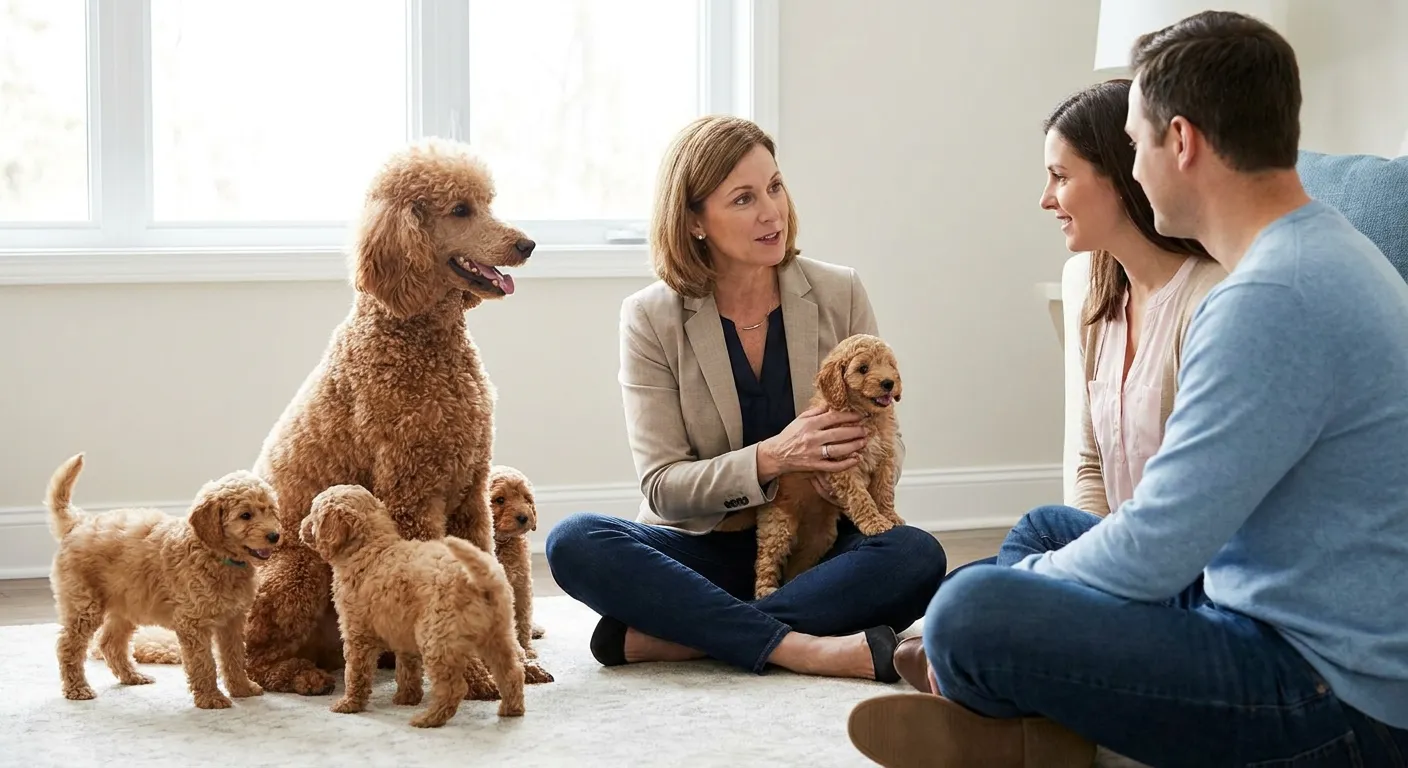
Expect to meet the puppy’s mother, and sometimes the father, during your visit. You should also see where the puppies are raised. The environment should be clean, safe, and stimulating. The puppies themselves should appear clean, healthy, and well-socialized. They should interact confidently with people and their littermates. A truly reputable Poodle breeder will be knowledgeable about the Poodle breed standard, temperament, and typical health concerns. They will also interview you to ensure you can provide a suitable home. Moreover, they will offer a written contract, a health guarantee, and often a spay/neuter agreement. They should remain a valuable resource for you throughout your Poodle’s life, offering support and advice.
Health Clearances and Genetic Testing
One of the most critical aspects of finding a responsible Poodle breeder is verifying health clearances. Poodles, like many purebred dogs, are prone to certain genetic conditions. Therefore, ethical breeders invest in thorough testing for their breeding stock. The Orthopedic Foundation for Animals (OFA) and the Canine Eye Registry Foundation (CERF, now part of OFA) are primary organizations for these certifications. Specifically, reputable Poodle breeders test for hip and elbow dysplasia, progressive retinal atrophy (PRA), von Willebrand’s disease, and patellar luxation. They should readily provide copies of these certificates. This transparency demonstrates a commitment to producing healthy puppies. It also significantly reduces the risk of your future companion developing these painful or debilitating conditions.
Beyond immediate health, a good breeder understands the importance of genetic diversity within their lines. They will not breed closely related dogs, which can intensify genetic predispositions. Consequently, they aim to improve the breed’s overall health and vigor with each generation. This meticulous approach safeguards the future well-being of the Poodle breed itself. Always ask for proof of these tests. Do not accept verbal assurances alone.
Socialization and Environment
The environment in which puppies are raised plays a monumental role in their development. A reputable Poodle breeder raises puppies in a home environment. This ensures they are exposed to everyday sights, sounds, and smells. Such early exposure is vital for proper socialization. Puppies accustomed to household noises, various people, and gentle handling are more likely to grow into well-adjusted adults. On the other hand, puppies raised in isolation or in unsanitary conditions often develop behavioral problems and fear issues. Consider our article on Poodle puppy socialization tips for more insights.
Observe the puppies’ interactions. Are they playful and curious? Do they approach you willingly? A good breeder spends significant time interacting with their puppies. They introduce them to different textures, sounds, and positive experiences. This early intervention is crucial for building confidence. Furthermore, it helps puppies adapt to new homes more easily. The mother dog’s temperament is also a key indicator. A calm, friendly mother often produces puppies with similar dispositions. This holistic approach to early care is a hallmark of a truly ethical Poodle breeder.
Red Flags to Avoid When Choosing a Poodle Breeder
While knowing what to look for is important, recognizing red flags is equally vital. Be wary of breeders who exhibit certain concerning behaviors or practices. Avoid any breeder who cannot provide health clearances for the parent dogs or who refuses to let you visit their facility. Lack of transparency is a major warning sign. Breeders who always have puppies available or offer multiple breeds are often commercial operations rather than dedicated hobby breeders. Similarly, those who sell puppies through pet stores or online classifieds without proper screening are usually prioritizing profit over animal welfare.
A breeder who pressures you to make a quick decision should also raise suspicion. They might be trying to rush you before you can fully assess the situation. Furthermore, avoid anyone who refuses to provide references from previous puppy buyers or their veterinarian. If a breeder seems solely focused on the price of the puppy without showing genuine interest in the puppy’s future home, this is a clear red flag. Puppy mills and backyard breeders often prioritize profit over animal welfare. Consequently, this leads to puppies with health issues, poor socialization, and behavioral problems. Trust your instincts; if something feels off, it likely is. Protecting yourself and your future Poodle begins with careful observation.
Understanding Puppy Mills and Backyard Breeders
Puppy mills are large-scale commercial breeding operations. They prioritize profit over the health and welfare of their animals. Dogs in puppy mills often live in deplorable conditions, confined to small, unsanitary cages. They receive minimal veterinary care, inadequate nutrition, and little to no socialization. Consequently, puppies from these environments frequently suffer from chronic health problems and severe behavioral issues. Their parents are often bred repeatedly without regard for their well-being. Avoiding these operations is not just about finding a healthy puppy. It’s also an ethical stand against animal cruelty. The American Society for the Prevention of Cruelty to Animals (ASPCA) provides extensive information on identifying and reporting puppy mills, which can be a valuable resource for concerned individuals. You can learn more at the ASPCA website.
Backyard breeders, on the other hand, are typically individuals who breed their pets without sufficient knowledge or experience. They often lack understanding of genetics, breed standards, or proper health testing. Their intentions may be good, but their practices can still lead to unhealthy or poorly socialized puppies. They might not understand the commitment involved in raising a litter. This often results in inadequate care for the mother and her puppies. Neither puppy mills nor backyard breeders can be considered a reputable Poodle breeder. Both types of operations contribute to pet overpopulation and animal suffering. Therefore, it is crucial to differentiate them from ethical breeders who dedicate themselves to the betterment of the breed.
The Importance of a Written Contract and Health Guarantee
A written contract is a cornerstone of a responsible transaction with a Poodle breeder. This document should outline the terms of sale, including the puppy’s identification, purchase price, and any specific agreements. For instance, it might detail a spay/neuter clause. More importantly, the contract should include a comprehensive health guarantee. This guarantee typically covers genetic conditions that may manifest within a certain timeframe after purchase. A reputable Poodle breeder stands behind the health of their puppies. They will offer a guarantee that provides recourse if a severe, covered genetic issue arises. This demonstrates their confidence in their breeding program and their commitment to the puppy’s long-term health.
The health guarantee often specifies what conditions are covered and the breeder’s responsibility. For example, it might offer a replacement puppy or a partial refund. Always read the contract carefully and ensure you understand all its terms before signing. A breeder who is unwilling to provide a written contract or a health guarantee should be avoided. Such an absence suggests a lack of accountability and concern for the puppy’s future. This critical document protects both you and the breeder, establishing clear expectations and responsibilities. It is a non-negotiable aspect of working with a truly ethical Poodle breeder.
What Questions to Ask a Prospective Poodle Breeder
Engaging in a thorough conversation with a potential breeder is essential. Ask about their experience with Poodles. Inquire about their breeding philosophy. Specifically, ask about the health history of the parent dogs and their lineage. How many litters does the mother have per year? A responsible Poodle breeder will not overbreed their females. Typically, a female should not have more than one litter per year, and usually not more than 3-4 litters in her lifetime. Ask about the typical temperaments of their adult Poodles. This can give you an idea of what to expect from your puppy. Furthermore, inquire about the socialization practices they employ with their puppies. What early training or exposure do the puppies receive? For example, do they introduce them to crates or house training concepts? We have resources on Poodle puppy essential care that can help you prepare.
Don’t hesitate to ask for references. Request contact information for previous puppy buyers. Also, ask for their veterinarian’s contact. A good breeder will be happy to provide these. They will also likely have questions for you. They want to ensure their puppies go to good homes. Be prepared to discuss your living situation, your experience with dogs, and your plans for training and exercise. This two-way interview process is a positive sign. It indicates that the breeder is genuinely invested in the well-being of their puppies. Moreover, it shows they are not merely looking to make a sale. Finding the right Poodle for your family is a collaborative effort.
The Long-Term Relationship with Your Poodle Breeder
A reputable Poodle breeder views their relationship with puppy buyers as a lifelong commitment. They should be a resource for you throughout your Poodle’s life. This includes offering advice on training, nutrition, grooming, and health concerns. Many ethical breeders even require that if you can no longer care for your Poodle, you return the dog to them. This demonstrates their dedication to their dogs, regardless of age. This commitment is a strong indicator of a truly responsible Poodle breeder. For example, if you have questions about mastering Poodle grooming at home, they might offer guidance.
They will be genuinely interested in how their puppies are doing in their new homes. They often encourage updates and photos. This ongoing support can be invaluable, especially for first-time Poodle owners. It provides peace of mind knowing you have an experienced mentor to turn to. This long-term relationship fosters a community of Poodle enthusiasts. It also ensures the continued well-being of the dogs they breed. Choosing such a dedicated individual means you gain not just a puppy, but a lasting connection to a knowledgeable advocate for the breed. This support system is a significant benefit of working with an ethical Poodle breeder.
Adoption as an Alternative to a Poodle Breeder
While finding a responsible Poodle breeder is ideal for those seeking a puppy, adopting a rescue Poodle is another wonderful option. Many Poodles, both purebred and mixes, end up in shelters or breed-specific rescue organizations. These dogs often need loving homes. Adopting can be a rewarding experience. It provides a second chance for a deserving dog. Rescue organizations typically vet their dogs thoroughly. They provide necessary medical care, spay/neuter them, and assess their temperament. This ensures they are suitable for adoption. Our article on the joy of adopting a rescue Poodle offers further details.
Rescue Poodles come in all ages, from puppies to seniors. This allows you to choose a dog whose energy level and personality match your lifestyle. While a reputable Poodle breeder focuses on carefully planned litters, rescues focus on finding homes for dogs already in need. Both paths lead to bringing a Poodle into your family. However, adoption offers the unique satisfaction of giving a dog a new beginning. Consider exploring both avenues to find your perfect Poodle companion.
Conclusion
Finding a reputable Poodle breeder may take time and effort. However, the investment is invaluable. By choosing wisely, you ensure you bring home a healthy, well-adjusted Poodle. This cherished member of your family will bring joy for years to come. Your diligence in researching and selecting an ethical breeder supports responsible practices. Furthermore, it contributes to the overall health and welfare of the Poodle breed. Remember to prioritize transparency, health testing, and a nurturing environment. Trust your instincts throughout the process. Your future Poodle companion deserves the best start in life.
FAQ Section
What health tests should a Poodle breeder perform?
A responsible Poodle breeder should perform health tests for common breed-specific genetic conditions. These include hip and elbow dysplasia, progressive retinal atrophy (PRA), von Willebrand’s disease, and patellar luxation. They should provide documentation from organizations like the OFA.
How can I identify a responsible Poodle breeder?
Look for transparency in their practices, willingness to answer questions, and an invitation to visit their facility. They should provide health clearances for parent dogs, offer a written contract and health guarantee, and be a resource throughout your Poodle’s life. Also, ensure puppies are raised in a clean, stimulating home environment.
Why is it important to avoid puppy mills and backyard breeders?
Puppy mills and backyard breeders often prioritize profit over animal welfare. This leads to puppies with significant health problems, poor socialization, and behavioral issues. Avoiding them supports ethical breeding and prevents suffering.
Should a Poodle breeder ask me questions?
Yes, an ethical Poodle breeder will ask you many questions. They want to ensure their puppies go to suitable, loving homes. Be prepared to discuss your living situation, experience with dogs, and plans for your Poodle’s care, training, and exercise.
What kind of support should I expect from a good Poodle breeder after I take my puppy home?
A dedicated Poodle breeder will offer lifelong support and advice. They should be available to answer questions about training, nutrition, grooming, and health. Many also require that the dog be returned to them if you can no longer care for it, demonstrating their commitment.