In an era where the U.S. pet industry is projected to reach $165 billion in 2026, and average annual household spending on pets is set to hit $1,445 per pet, it’s clear that pet owners are more invested than ever in their companions’ well-being. This surge in ‘humanization of pets’ drives a strong focus on holistic wellness and proactive care. For discerning poodle owners, understanding poodle health and wellness is crucial not just for managing breed-specific challenges but for truly extending their lifespan and ensuring a vibrant quality of life. At Poodle Dogs World, we’re committed to providing the deep insights and actionable advice you need to navigate every stage of your poodle’s journey.
Understanding Poodle Health and Wellness: Breed-Specific Concerns
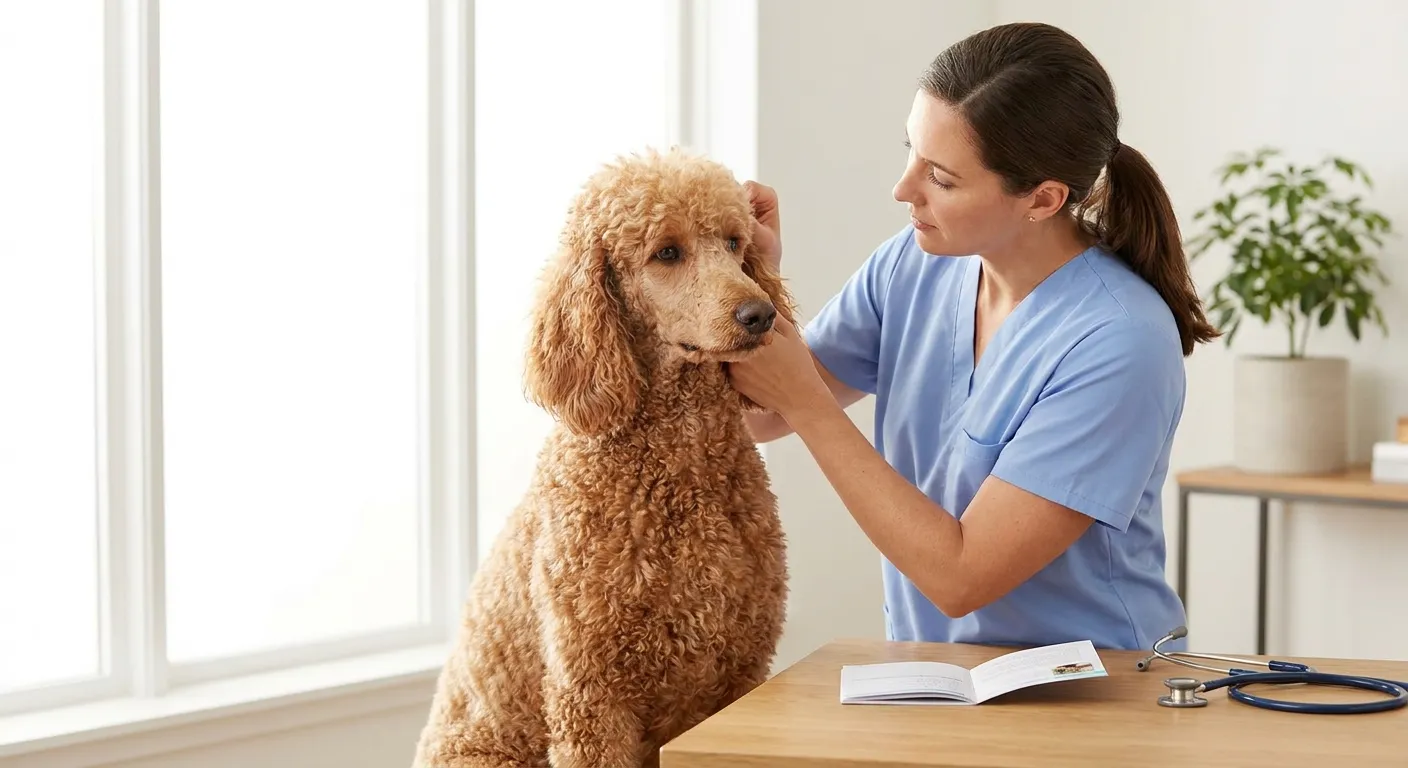
Poodles are known for their elegance and intelligence, but like all breeds, they are predisposed to certain hereditary conditions. Proactive health management is key to mitigating these risks. Regular veterinary check-ups are non-negotiable – annually for young pets and twice a year for seniors, as recommended by veterinarians. These visits are vital for early detection and intervention.
For Standard Poodles, concerns often include hip dysplasia and gastric dilatation-volvulus (GDV), commonly known as bloat. Bloat is a life-threatening emergency where the stomach twists, requiring immediate veterinary attention. Owners should be aware of symptoms like restlessness, unproductive retching, and a distended abdomen. For Miniature and Toy Poodles, common issues include patellar luxation (slipping kneecaps), eye disorders like progressive retinal atrophy (PRA), and dental problems. Dental disease, in particular, is often overlooked but can lead to significant health issues if left untreated.
Discussing genetic testing with your breeder and vet can provide valuable insights into your poodle’s predispositions. Furthermore, the growth of pet insurance in 2025-2026 is making advanced veterinary care more accessible, offering peace of mind against unexpected health challenges. Ensuring optimal poodle wellbeing often starts with being informed and prepared. Many resources are available to help you understand specific breed health risks, such as those provided by the American Kennel Club.
Advanced Grooming: Beyond the Basics for Poodles
Poodle grooming is not merely about aesthetics; it’s fundamental to their comfort, hygiene, and overall health. With 86% of poodle owners reporting coat management as their biggest challenge, it’s clear that practical advice is highly valued. While daily brushing is a must to prevent matting, professional grooming every 4-8 weeks is essential for maintaining their distinctive coat and preventing skin irritations.
Beyond the classic Continental or English Saddle cuts, trends for 2025-2026 include the low-maintenance Lamb Cut, the chic Modern Teddy Bear Cut (perfect for Instagram-worthy looks), and the practical Kennel (Summer) Cut. Your groomer can also provide at-home maintenance tips, such as trimming nails and cleaning ears, which are crucial components of comprehensive poodle grooming and coat care. In fact, proper grooming contributes significantly to a poodle’s overall health and well-being, preventing discomfort and potential infections.
Nutrition for Optimal Poodle Health and Wellness
Diet plays a pivotal role in a poodle’s lifespan and vitality. High-quality nutrition supports everything from a shiny coat to strong bones and a robust immune system. It’s important to select dog food appropriate for your poodle’s age, size, and activity level. For instance, puppies require more calories and specific nutrients for growth, while senior poodles may benefit from diets that support joint health and manage weight.
Many owners consider raw or home-cooked diets; however, these must be carefully balanced to avoid nutritional deficiencies. Consulting with a veterinary nutritionist can ensure your poodle receives all necessary vitamins and minerals. Furthermore, treats should be given in moderation to prevent obesity, a common issue that can exacerbate other health problems. Consider exploring our Food, Treats & Feeding Gear section for high-quality options and helpful accessories. A balanced diet is a cornerstone of excellent poodle health and wellness.
Exercise and Mental Stimulation: Keeping Poodles Active
Poodles are intelligent and energetic dogs, requiring regular physical activity and mental engagement to thrive. Daily walks, playtime in a secure yard, and interactive toys are essential. For Standard Poodles, more vigorous exercise like jogging or swimming can be beneficial. Miniature and Toy Poodles also need consistent activity, though their needs are often met with shorter, more frequent walks and indoor play.
Mental stimulation is equally important. Puzzle toys, obedience training, and even agility courses can prevent boredom and destructive behaviors. Poodles excel in activities that challenge their minds, such as scent work or learning new tricks. A well-exercised and mentally stimulated poodle is generally a happier and healthier poodle. Consequently, this proactive approach to physical and mental fitness directly enhances their overall wellbeing.
Preventative Care: Vaccinations, Parasite Control, and Dental Hygiene
A strong preventative care routine is paramount for ensuring a long and healthy life for your poodle. Vaccinations protect against common and dangerous diseases like distemper, parvovirus, and rabies. Your veterinarian will recommend a vaccination schedule tailored to your poodle’s age, lifestyle, and local risk factors.
Parasite control, including regular deworming and flea/tick prevention, is also critical. These parasites can cause discomfort, transmit diseases, and, in severe cases, lead to serious health complications. Discuss the best preventative products with your vet. Moreover, dental hygiene is often overlooked but incredibly important for poodle health and wellness. Daily tooth brushing, dental chews, and professional dental cleanings can prevent periodontal disease, which can lead to pain, tooth loss, and systemic infections affecting the heart, kidneys, and liver.
Early Detection and Management of Common Poodle Ailments
Being attentive to changes in your poodle’s behavior or physical condition is vital for early detection of health issues. For example, limping or reluctance to jump might indicate joint problems like hip dysplasia or patellar luxation. Changes in appetite, thirst, or urination could signal metabolic diseases. Any persistent cough, difficulty breathing, or changes in coat quality warrant a veterinary visit.
For conditions like bloat in Standard Poodles, knowing the symptoms and acting immediately can be life-saving. Similarly, for eye conditions like PRA, regular veterinary eye exams can help monitor progression and manage symptoms. Early intervention often leads to better outcomes and can significantly improve a poodle’s quality of life. Therefore, staying vigilant and informed about breed-specific health concerns is a key aspect of poodle health and wellness.
Behavioral Health and Stress Reduction for Poodles
A poodle’s emotional well-being is intrinsically linked to its physical health. Stress, anxiety, and behavioral problems can manifest physically, impacting their immune system and overall vitality. Poodles are sensitive dogs, and a stable, loving environment is crucial for their mental health.
Separation anxiety, excessive barking, or destructive chewing can be signs of underlying stress or boredom. Addressing these issues through consistent training, enrichment activities, and, if necessary, professional behavioral consultation can make a significant difference. Furthermore, providing a predictable routine, plenty of positive reinforcement, and a comfortable, safe space contributes to a calm and happy poodle. Consider exploring our Home & Safety resources for tips on creating an ideal environment. A holistic approach to poodle wellbeing includes nurturing their emotional state.
The Role of Regular Veterinary Care in Poodle Longevity
Regular veterinary check-ups are the cornerstone of proactive poodle health and wellness. These visits allow your vet to perform thorough physical examinations, administer necessary vaccinations, and conduct routine screenings. For older poodles, biannual check-ups are often recommended to catch age-related conditions early, such as arthritis, kidney disease, or cognitive dysfunction.
During these appointments, your vet can discuss preventative medications, dietary recommendations, and any concerns you might have. They can also perform blood tests, urinalysis, and other diagnostic procedures to monitor organ function and detect potential problems before they become severe. Building a strong relationship with your veterinarian is invaluable for ensuring your poodle receives the best possible care throughout its life. As a result, this partnership significantly contributes to extending your poodle’s healthy years.
Supplements and Alternative Therapies for Poodle Well-being
While not a substitute for veterinary care, certain supplements and alternative therapies can support a poodle’s health, particularly as they age. For example, joint supplements containing glucosamine and chondroitin can help manage arthritis symptoms and support cartilage health. Omega-3 fatty acids are beneficial for skin, coat, and cognitive function.
Probiotics can aid digestive health, especially for poodles with sensitive stomachs. However, it’s crucial to discuss any supplements with your veterinarian before introducing them to your poodle’s diet. Some alternative therapies, such as acupuncture or hydrotherapy, are also gaining recognition for their benefits in managing pain or improving mobility. Always seek professional guidance to ensure these approaches are safe and appropriate for your individual poodle. Ultimately, these complementary strategies can enhance your poodle’s health and wellness.
Embracing a Proactive Lifestyle for Your Poodle
Caring for a poodle is a rewarding journey, and embracing a proactive approach to their health and wellness is the most loving commitment you can make. From understanding their breed-specific needs to providing optimal nutrition, consistent exercise, and regular veterinary care, every step contributes to their longevity and happiness. Remember, early detection and prevention are far more effective than reacting to advanced health problems.
At Poodle Dogs World, we believe that informed owners are empowered owners. By staying educated and vigilant, you can provide your beloved poodle with the best possible chance for a long, vibrant, and joyful life. Continue to explore resources, consult with your veterinarian, and cherish every moment with your elegant companion. The journey of ensuring optimal poodle health and wellness is a continuous and fulfilling one.
FAQ: Common Questions About Poodle Care
What are the most common health issues for poodles?
Poodles can be prone to specific conditions based on their size. Standard Poodles may face hip dysplasia and bloat, while Miniature and Toy Poodles often encounter patellar luxation, eye disorders like PRA, and dental problems. Regular vet check-ups are key for early detection.
How often should I groom my poodle for good coat health?
Daily brushing is essential to prevent matting. Additionally, professional grooming every 4-8 weeks is highly recommended. This routine maintains their distinctive coat, prevents skin irritations, and supports overall well-being. You can find more tips in our Grooming & Coat Care section.
What kind of diet is best for a poodle’s vitality?
A high-quality dog food appropriate for your poodle’s age, size, and activity level is crucial. Some owners explore raw or home-cooked diets, but these require careful balancing. Always consult a veterinary nutritionist to ensure complete and balanced nutrition, which is vital for poodle health.
How much exercise does a poodle need?
Poodles are energetic and intelligent, requiring daily physical activity and mental stimulation. This includes walks, playtime, and engaging activities like puzzle toys or training. Standard Poodles often need more vigorous exercise, while smaller poodles benefit from frequent, shorter bursts of activity. This helps maintain their physical and mental health.
When should I start preventative care for my poodle?
Preventative care should begin when your poodle is a puppy with vaccinations and parasite control as recommended by your vet. Consistent dental hygiene, regular vet check-ups, and a watchful eye for any changes in behavior or physical condition are lifelong commitments for excellent poodle wellbeing. Many resources, including those from the American Veterinary Medical Association, emphasize the importance of early and ongoing preventative care.