Poodles are generally a healthy breed, known for their remarkable longevity. However, like all purebred dogs, they are predisposed to certain genetic and acquired conditions. Awareness of Poodle health issues is incredibly important for early detection and effective management. This knowledge allows owners to provide the best possible care throughout their dog’s life. Proactive measures and regular veterinary check-ups play a significant role in maintaining their well-being.
At Poodle Dogs World, we understand your dedication to your Poodle’s health. Therefore, this guide offers practical insights into common health concerns, helping you identify potential signs and implement preventative strategies. We aim to empower you with trusted advice to keep your beloved companion thriving.
Understanding Key Poodle Health Concerns
Several health conditions are more prevalent in Poodles, making it essential for owners to be informed. Recognizing these potential problems can lead to prompt veterinary intervention, which often improves outcomes. Let’s explore some of the most common concerns.
Orthopedic Challenges in Poodles
Orthopedic conditions can significantly impact a Poodle’s mobility and comfort. For instance, one of the most common orthopedic concerns, particularly in Miniature and Toy Poodles, is Patellar Luxation. This condition occurs when the kneecap dislocates from its normal position. Symptoms often include skipping, limping, or holding a hind leg up for a few steps.
Conversely, Hip Dysplasia is more commonly observed in Standard Poodles due to their larger size. This developmental condition affects the hip joint, leading to looseness and, over time, painful arthritis. Early diagnosis and management are crucial for preserving joint function. Additionally, elbow dysplasia, though less common than hip dysplasia, can also affect larger Poodles, causing lameness and discomfort.
Eye Conditions Affecting Poodles
Vision problems can arise from various genetic conditions in Poodles. Progressive Retinal Atrophy (PRA) is a notable example. This inherited disease causes the gradual degeneration of the retina, eventually leading to blindness. PRA affects all Poodle sizes. Fortunately, genetic testing is available to identify carriers and affected dogs, aiding responsible breeding practices.
Other eye issues include cataracts, which can obscure vision and develop with age or due to genetic predisposition. Glaucoma, characterized by increased pressure within the eye, can also occur, causing pain and potential blindness if not treated promptly. Regular eye examinations by a veterinarian can help detect these conditions early.
Endocrine and Blood Disorders
Poodles are susceptible to certain endocrine and blood-related issues. Addison’s Disease, also known as hypoadrenocorticism, is an endocrine disorder affecting the adrenal glands. These glands do not produce enough essential hormones. It often presents with vague symptoms such as lethargy, vomiting, diarrhea, increased thirst, and a poor appetite. Because symptoms are non-specific, diagnosis can sometimes be delayed. However, once diagnosed, it is manageable with medication.
Furthermore, Von Willebrand’s Disease (vWD) is a genetic blood clotting disorder seen in Poodles. Dogs with vWD may experience prolonged bleeding after injury or surgery. Genetic testing can identify affected individuals and carriers, which is vital for breeders. Knowing if your Poodle has vWD is also important for veterinarians before any surgical procedures.
Life-Threatening Emergencies: Bloat
Bloat, medically known as Gastric Dilatation-Volvulus (GDV), is a life-threatening emergency more common in deep-chested breeds like Standard Poodles. This condition involves the stomach filling with gas and often twisting, cutting off blood supply. Symptoms include a distended abdomen, unproductive retching, restlessness, and pain. Bloat requires immediate veterinary attention and emergency surgery to save the dog’s life. Understanding the risk factors and preventative measures is critical for owners of Standard Poodles.
Prevention and Management Strategies for Poodle Health Issues
Preventing and managing Poodle health issues often begins with responsible breeding practices. Reputable breeders play a vital role in minimizing the incidence of inherited diseases. They diligently screen their breeding stock for genetic conditions like PRA, hip and elbow dysplasia, and Von Willebrand’s Disease. This commitment to health helps ensure healthier puppies.
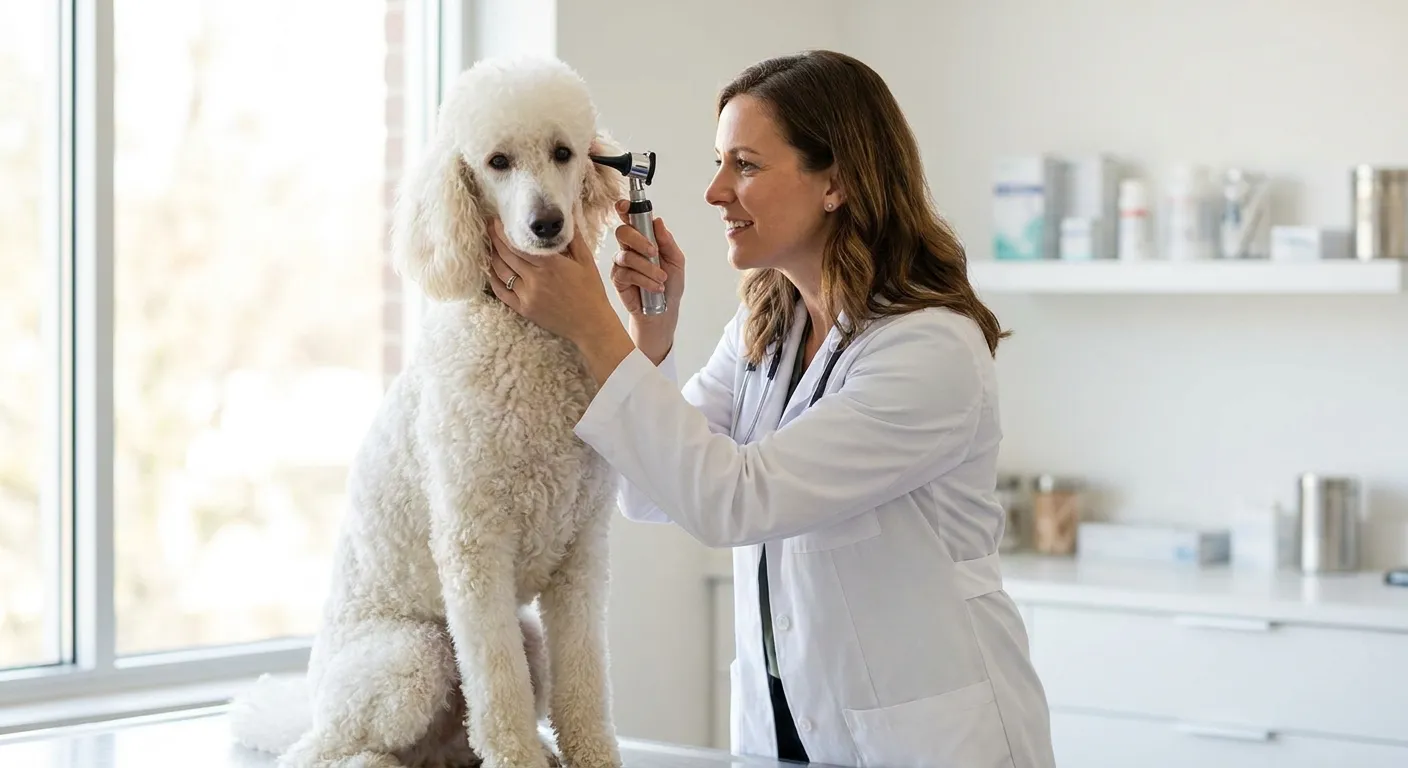
As an owner, regular veterinary check-ups are paramount. These visits should include annual physical exams and routine blood work, especially as your Poodle ages. Early detection of any health changes allows for prompt intervention and better outcomes. Your veterinarian can also guide you on specific preventative care tailored to your Poodle’s age and health profile.
Nutritional and Lifestyle Approaches
A balanced diet is fundamental to your Poodle’s overall health. High-quality dog food provides essential nutrients, supporting immune function and maintaining a healthy weight. Obesity can exacerbate orthopedic conditions and contribute to other health problems. Therefore, proper portion control and a diet appropriate for your Poodle’s life stage are crucial. For instance, feeding multiple small meals throughout the day, particularly for Standard Poodles, can help reduce the risk of bloat.
Appropriate exercise is equally important. Regular physical activity helps maintain muscle tone, supports joint health, and prevents obesity. However, it’s essential to tailor exercise intensity to your Poodle’s age and physical condition. Avoid intense exercise immediately after eating, especially for larger Poodles, to further mitigate bloat risk. A stress-free environment also contributes significantly to your Poodle’s overall health and resilience against illness.
Proactive Medical Interventions
For orthopedic conditions, maintaining a healthy weight and providing joint supplements, such as glucosamine and chondroitin, can help support cartilage health. In some cases, physical therapy or even surgical intervention may be recommended to improve mobility and reduce pain. Early diagnosis of conditions like Addison’s Disease allows for effective hormone replacement therapy, which can dramatically improve a Poodle’s quality of life.
Regarding Bloat prevention, beyond feeding practices, some owners of high-risk breeds opt for prophylactic gastropexy surgery. This procedure tacks the stomach to the abdominal wall, significantly reducing the likelihood of the stomach twisting. Discussing this option with your veterinarian is advisable if you own a Standard Poodle.
Genetic Testing and Responsible Breeding
For those considering breeding Poodles, or even adopting a puppy, understanding the role of genetic testing is crucial. Responsible breeders utilize DNA tests for various inherited conditions, including PRA, Von Willebrand’s Disease, and sometimes even for specific forms of hip or elbow dysplasia. These tests help breeders make informed decisions, preventing the transmission of these conditions to future generations. When choosing a Poodle puppy, always inquire about the health clearances of the parents. This due diligence can significantly reduce the likelihood of encountering inherited Poodle health issues down the line.
Furthermore, awareness of specific breed predispositions allows for targeted health screenings. For example, regular screening for thyroid disorders, which Poodles can be prone to, might be recommended by your veterinarian as your dog ages. These preventative screenings are vital for early detection and management.
Recognizing Symptoms and When to Seek Veterinary Care
Being attentive to your Poodle’s behavior and physical condition is paramount. Any sudden changes warrant investigation. Symptoms such as persistent lethargy, changes in appetite or thirst, unexplained weight loss or gain, vomiting, diarrhea, limping, difficulty moving, or changes in vision should prompt a call to your veterinarian. Do not hesitate to seek professional advice. Early intervention can make a significant difference in the prognosis for many Poodle health issues.
Moreover, establish a strong relationship with your veterinarian. They are your best resource for personalized advice and care. Regular communication about your Poodle’s health, even seemingly minor concerns, can help catch potential problems before they become severe. Remember, you are your Poodle’s primary advocate.
Conclusion
While Poodles are generally robust and long-lived, understanding their breed-specific health predispositions is a key aspect of responsible pet ownership. By being informed about common Poodle health issues and taking proactive steps, you can help ensure your Poodle lives a long, healthy, and happy life. From responsible breeding practices and regular veterinary care to a balanced diet and appropriate exercise, every effort contributes to their well-being. Always consult your veterinarian at the first sign of any unusual symptoms, as their expertise is invaluable in managing and preventing health challenges.
Frequently Asked Questions About Poodle Health
What are the most common health concerns for Poodles?
Poodles can experience several common health concerns, including orthopedic issues like patellar luxation and hip dysplasia, eye conditions such as Progressive Retinal Atrophy, and endocrine disorders like Addison’s Disease. Bloat is also a serious concern, especially for Standard Poodles.
How can I prevent my Poodle from developing certain conditions?
Prevention starts with choosing a reputable breeder who screens for genetic diseases. As an owner, provide a balanced diet, maintain a healthy weight, ensure regular exercise, and schedule routine veterinary check-ups. Discuss preventative surgeries like gastropexy for bloat with your vet if you have a Standard Poodle.
Are Miniature and Toy Poodles susceptible to different health problems than Standard Poodles?
While some conditions affect all Poodle sizes, others are more common in specific varieties. For example, patellar luxation is more prevalent in Miniature and Toy Poodles, whereas hip dysplasia and bloat are more frequently seen in Standard Poodles due to their larger size and deeper chests.
What are the signs of a sick Poodle?
Signs of illness in a Poodle can be varied. Look out for changes in appetite or thirst, lethargy, vomiting, diarrhea, limping, difficulty breathing, a distended abdomen, or any sudden behavioral changes. If you notice these symptoms, contact your veterinarian promptly.
Is genetic testing important for Poodles?
Yes, genetic testing is very important for Poodles, especially for breeders. It helps identify carriers or affected individuals for inherited conditions like Progressive Retinal Atrophy and Von Willebrand’s Disease. This allows for informed breeding decisions and helps reduce the incidence of these health challenges in the breed.