Poodles are renowned for their intelligence, elegance, and delightful personalities, making them beloved companions worldwide. As responsible Poodle owners, ensuring their long-term well-being often starts with understanding their genetic predispositions. Poodle genetic health testing provides crucial insights, empowering you to make informed decisions about your dog’s care and future.
Understanding your Poodle’s unique genetic blueprint is a significant step in providing the best possible care. This proactive approach allows you to work alongside your veterinarian to create a tailored health plan. Furthermore, it helps anticipate potential challenges before they become serious issues, thus ensuring a higher quality of life for your cherished companion.
Why Poodle Genetic Health Testing is Essential
Genetic testing isn’t just for breeders; in fact, it’s a powerful tool for every Poodle owner. Understanding your dog’s genetic makeup can help you anticipate potential health challenges, implement preventative measures, and work proactively with your veterinarian. For Standard, Miniature, and Toy Poodles alike, certain hereditary conditions are more prevalent, and early knowledge can lead to better outcomes and a higher quality of life for your furry friend.
Many genetic conditions can remain silent for years, only manifesting symptoms later in life. By identifying these risks early through comprehensive Poodle DNA screening, you can often mitigate their impact or prepare for necessary treatments. This proactive approach minimizes suffering and maximizes your Poodle’s chances of a long, healthy, and happy existence. Consequently, it brings peace of mind to owners.
For instance, knowing your Poodle carries a gene for a specific condition allows you to discuss preventative strategies with your vet. This might involve dietary adjustments, specific exercise routines, or regular monitoring for early signs of disease. Therefore, genetic screening is a cornerstone of responsible pet ownership.
Common Genetic Conditions in Poodles (and What to Test For)
Poodles, regardless of size, share some common genetic predispositions, while others are more specific to certain varieties. It’s important to discuss a comprehensive panel with your veterinarian or a reputable genetic testing laboratory.
Addison’s Disease (Hypoadrenocorticism)
Particularly common in Standard Poodles, this endocrine disorder affects the adrenal glands’ ability to produce crucial hormones. Genetic markers are being researched, but a thorough pedigree review and regular blood work are key for diagnosis. Affected dogs may exhibit lethargy, vomiting, and loss of appetite. Early detection is vital for successful management and a good prognosis.
Sebaceous Adenitis (SA)
Predominantly affecting Standard Poodles, SA is an inflammatory skin disease that destroys the sebaceous glands, leading to hair loss and skin issues. A skin biopsy is diagnostic, but genetic testing for predisposition is available. Managing SA often involves specialized shampoos and immune-modulating medications. Moreover, understanding your dog’s risk can help you monitor their skin health closely.
Von Willebrand’s Disease (vWD)
A bleeding disorder found across all Poodle sizes, especially Standard and Miniature Poodles. Genetic tests can identify affected, carrier, or clear status, allowing for careful management during surgeries or injuries. Dogs with vWD may experience prolonged bleeding from minor cuts or during dental procedures. For this reason, knowing their status is critical before any invasive procedure.
Progressive Retinal Atrophy (PRA)
Several forms of PRA can affect Poodles, leading to eventual blindness. Specific DNA tests (e.g., prcd-PRA) are available and highly recommended for all Poodle varieties. This condition typically progresses slowly, giving owners time to adapt to their dog’s diminishing vision. Early detection helps you prepare for and manage a visually impaired Poodle, ensuring their safety and comfort.
Hip Dysplasia & Elbow Dysplasia
More common in larger breeds like Standard Poodles, these orthopedic conditions involve malformation of the joints. While not strictly genetic testing, evaluations like OFA (Orthopedic Foundation for Animals) and PennHIP are crucial for assessing joint health. These screenings provide valuable information for breeders and owners. Furthermore, managing these conditions often involves weight control, medication, and sometimes surgery.
Patellar Luxation
More prevalent in Miniature and Toy Poodles, this condition involves the kneecap slipping out of place. While not a direct genetic test, careful veterinary examination and screening are important. This can cause pain and lameness, impacting your smaller Poodle’s mobility. Regular check-ups with your vet can help identify this issue early on.
The Process of Poodle DNA Screening
The process of Poodle DNA screening is straightforward and non-invasive. Typically, it involves collecting a sample of your dog’s saliva or a cheek swab. This can often be done comfortably at home or by your veterinarian. The sample is then sent to a specialized laboratory for analysis.
Results usually take a few weeks to process. Once available, they will detail your Poodle’s genetic status for various conditions. You’ll receive information indicating if your dog is ‘clear’ (no copies of the mutated gene), a ‘carrier’ (one copy of the mutated gene, typically unaffected but can pass it on), or ‘affected’ (two copies of the mutated gene, likely to develop the condition). Understanding these results is key to making informed decisions about your Poodle’s health care.
Choosing a Reputable Genetic Testing Provider
When considering Poodle genetic health testing, selecting a reputable and accredited laboratory is paramount. Look for companies that are transparent about their testing methods, provide clear and understandable results, and offer genetic counseling if needed. Your veterinarian can also recommend trusted providers. Moreover, ensure the lab specifically tests for conditions relevant to Poodle breeds.
Some well-known and respected laboratories include Embark Veterinary and Wisdom Panel. These companies offer comprehensive panels that cover a wide range of genetic conditions common in Poodles. For example, Embark provides a detailed health report that can be shared with your vet. Learn more about Embark Veterinary’s services here.
Always verify that the tests offered are specific to Poodles and cover the most prevalent breed-specific conditions. A reputable provider will also maintain strict privacy for your dog’s genetic information. Furthermore, they should be able to answer any questions you have about the testing process or results.
Interpreting and Acting on Your Poodle’s Genetic Test Results
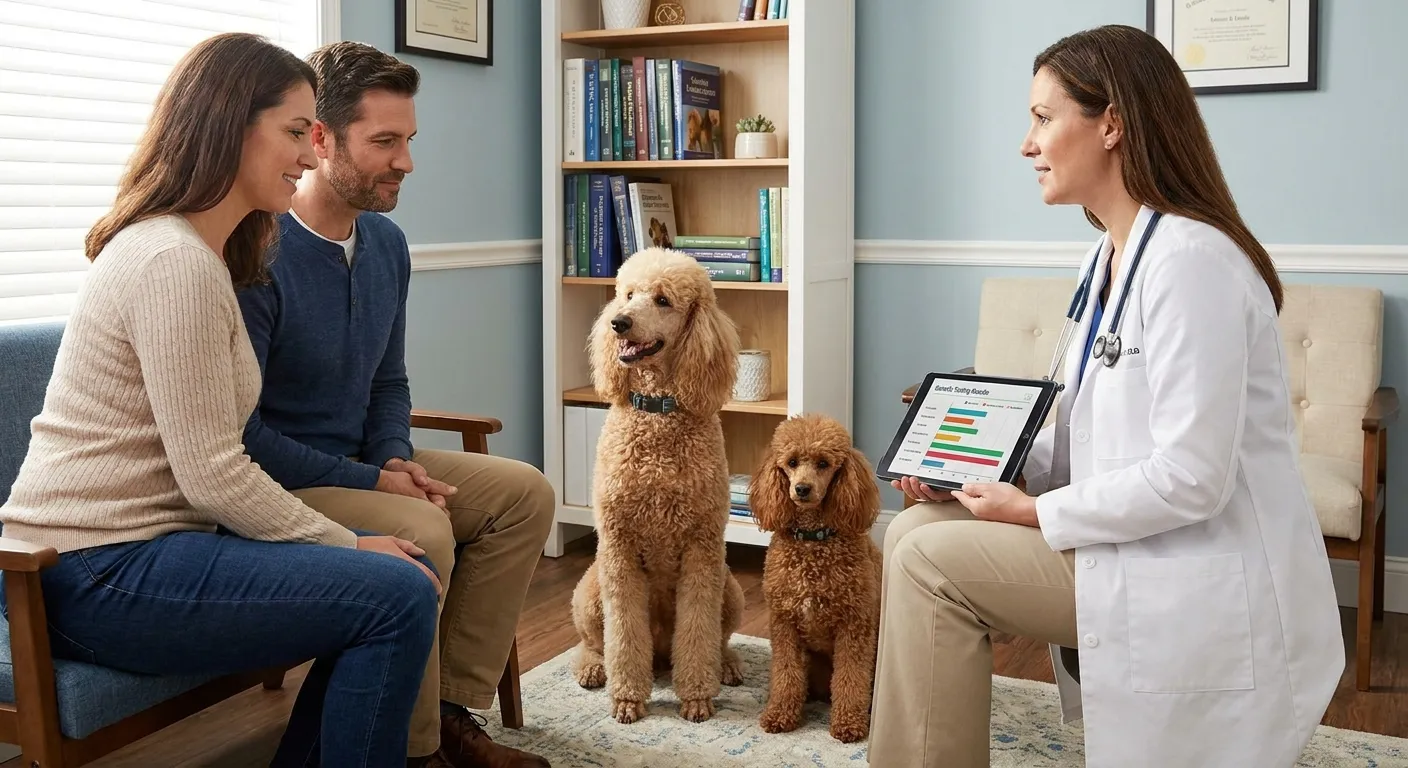
Receiving your Poodle’s genetic test results can be a significant moment. It’s crucial to review these results carefully and, most importantly, discuss them with your veterinarian. They can help you understand the implications of any ‘carrier’ or ‘affected’ statuses for your specific Poodle. For instance, a ‘carrier’ status for a recessive gene may not impact your dog’s health but is vital information for breeders.
If your Poodle tests ‘affected’ for a condition, this doesn’t necessarily mean immediate illness. Instead, it indicates a higher risk. Your veterinarian can then recommend a tailored health monitoring plan, including specific screenings, dietary adjustments, or preventative treatments. For example, if your Poodle is at risk for Addison’s Disease, your vet might suggest regular blood tests to monitor adrenal function.
For conditions like PRA, knowing your Poodle is affected allows you to prepare for potential vision loss and make your home safer. Similarly, for orthopedic conditions, proactive management can significantly improve your Poodle’s quality of life. In fact, early intervention is often the best course of action.
The Broader Impact of Poodle Genetic Health Testing
Beyond individual pet care, Poodle genetic health testing plays a vital role in the overall health of the breed. Responsible breeders utilize these tests to make informed decisions about breeding pairs, aiming to reduce the prevalence of hereditary diseases in future generations. This commitment helps ensure that Poodles remain healthy and vibrant for years to come.
When you seek a new Poodle companion, always inquire about the genetic health testing performed on the puppy’s parents. A reputable breeder will openly share these results and explain their breeding practices. This transparency is a hallmark of ethical breeding. You can find more guidance on choosing a reputable Poodle breeder on our site.
By supporting breeders who prioritize genetic health, you contribute to the long-term well-being of the entire Poodle breed. Consequently, this collective effort helps safeguard the beloved characteristics and health of these wonderful dogs. It’s a testament to the power of informed choices.
Preventative Care Beyond Genetics
While Poodle genetic health testing offers invaluable insights, it’s just one component of comprehensive pet care. A holistic approach includes regular veterinary check-ups, a balanced diet, appropriate exercise, and consistent grooming. For example, ensuring your Poodle gets adequate physical activity is crucial for overall health. You can find tips for fulfilling your Poodle’s daily exercise needs here.
Proper nutrition also plays a significant role in maintaining your Poodle’s health. Choosing high-quality food that meets their specific needs can support their immune system and overall vitality. Explore our guide on fueling your Poodle with the best dry food. Furthermore, staying informed about common Poodle health concerns and preventative measures, such as dental care, is essential. For instance, regular dental care is vital for preventing numerous health issues. Discover essential dental care tips for your Poodle’s oral health.
Routine vaccinations, parasite control, and a safe living environment are also foundational elements of responsible Poodle ownership. Remember, prevention is always better than cure. This comprehensive approach ensures your Poodle enjoys a happy, healthy, and fulfilling life alongside you.
Conclusion
Poodle genetic health testing is a powerful and proactive tool for every responsible owner. It offers a window into your Poodle’s unique genetic predispositions, empowering you to anticipate potential health challenges and work with your veterinarian to implement preventative measures. Whether you own a Standard, Miniature, or Toy Poodle, understanding their genetic makeup can significantly enhance their quality of life.
By embracing genetic screening, you not only safeguard your individual companion but also contribute to the broader health and longevity of the Poodle breed. It’s an investment in their future, ensuring many happy, healthy years together. Consult your veterinarian today to discuss the best genetic testing options for your beloved Poodle.
FAQ
What is DNA screening for Poodles?
DNA screening for Poodles involves taking a small sample, usually a cheek swab or saliva, and analyzing it in a lab. This process identifies specific genes linked to inherited diseases common in Poodles, helping owners understand their dog’s genetic health risks.
Why should I consider genetic testing for my Poodle?
Considering genetic testing for your Poodle allows you to be proactive about their health. It helps identify predispositions to certain conditions early, enabling you and your vet to create a preventative care plan, monitor for symptoms, and potentially mitigate the severity of future health issues.
Are there different types of genetic tests for Poodles?
Yes, there are various types of genetic tests. Some are broad panels that screen for many conditions at once, while others are specific tests for individual diseases like Progressive Retinal Atrophy (PRA) or Von Willebrand’s Disease (vWD). The best choice often depends on your Poodle’s specific breed size and known family history.
How accurate are Poodle genetic health test results?
Genetic health test results from reputable laboratories are highly accurate for identifying the presence of specific genetic markers. However, it’s important to remember that a genetic predisposition doesn’t always guarantee a dog will develop the disease, nor does a ‘clear’ result guarantee they will never face health challenges.
What should I do if my Poodle tests positive for a genetic condition?
If your Poodle tests positive for a genetic condition, the first step is to consult your veterinarian. They can explain what the results mean for your dog’s specific situation, discuss potential symptoms to watch for, and recommend a personalized management or monitoring plan to help maintain your Poodle’s health and well-being.