
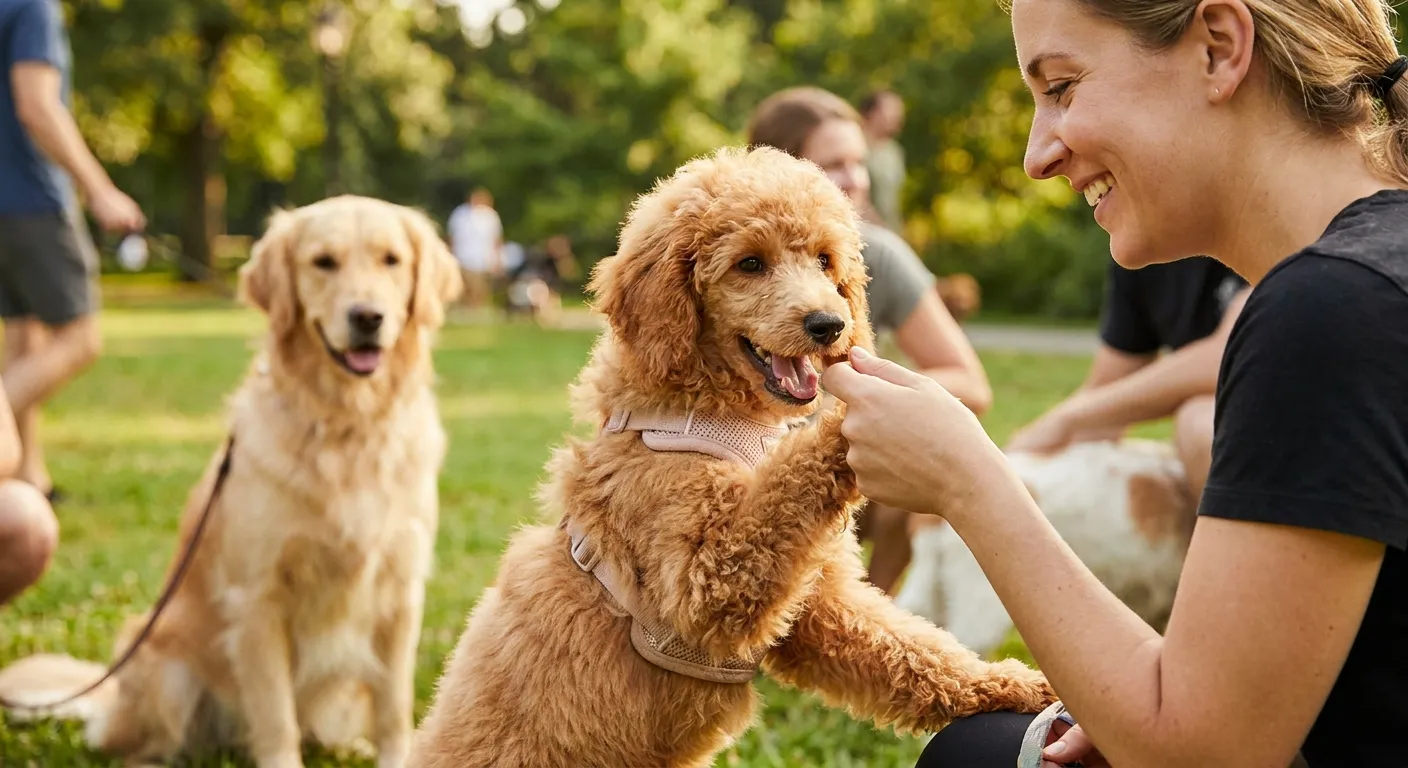
Bringing a new poodle puppy home is an exciting time, filled with cuddles, playful nips, and boundless energy. But beyond the immediate joy, there’s a critical window of development that can shape your poodle’s entire personality and future behavior: early socialization. Mastering poodle puppy socialization tips is not just about introducing your pup to new things; it’s about strategically building their confidence and ensuring they grow into a well-adjusted, calm, and happy adult. This foundation is crucial, especially for an intelligent and sensitive breed like the Poodle, which thrives on positive experiences. Therefore, understanding and implementing these strategies is vital for every new poodle parent.
Why Early Socialization is Non-Negotiable for Poodles
The period between 8 and 16 weeks of age is a golden window for puppy development. During this time, puppies are most receptive to new experiences and less prone to fear. For Poodles, ranked among the most intelligent breeds, this means they absorb information rapidly. However, their intelligence also comes with a high sensitivity. Without proper early exposure, they can easily become anxious or fearful of new situations, people, or other dogs. This aligns with the growing industry trend of ‘humanizing pets’ and prioritizing their mental health, recognizing that a well-socialized dog leads a happier, less stressed life. Proactive mental wellness is just as important as physical health. Consequently, prioritizing early socialization sets your poodle up for a lifetime of success.
Essential Poodle Puppy Socialization Tips: A Step-by-Step Guide
Socialization isn’t about overwhelming your puppy; it’s about controlled, positive introductions. Here’s how to approach it:
1. Introduce Diverse Sights, Sounds, and Textures
Start in your home. Let your puppy explore different floor surfaces (tile, carpet, wood), hear common household noises (vacuum cleaner, doorbell, TV), and see various objects. Gradually expand this to safe outdoor environments. Expose them to children, adults of different ages, and people wearing hats, glasses, or using mobility aids (strollers, wheelchairs). Always ensure these encounters are positive, perhaps pairing them with a high-value treat. For example, a gentle encounter with a new person should always end with a tasty reward. In addition, playing soft, varied music can help them acclimate to different sounds.
2. Positive Interactions with Other Vaccinated Dogs
Once your vet gives the green light, enroll your poodle puppy in a well-run puppy class. These classes offer supervised play with other puppies, teaching appropriate dog-to-dog communication. Seek out calm, friendly adult dogs who are good role models for gentle interaction. Always supervise closely and interrupt any overly rough play. Remember, quality over quantity: a few positive interactions are better than many stressful ones. Furthermore, always ensure the other dogs are fully vaccinated and have a good temperament. You can find excellent resources on puppy socialization guidelines from the AKC, which emphasizes safe interactions.
3. Exposure to Different Environments
Take your puppy for short, positive outings to various dog-friendly places. This could be a quiet park, a pet store (carrying them if they haven’t completed vaccinations), or a friend’s house. The goal is to show them that the world is a safe and interesting place. Avoid crowded or chaotic environments initially. For instance, a quick trip to a quiet cafe patio can be a great way to introduce them to new smells and sounds without overwhelming them. Consider bringing along some favorite Food, Treats & Feeding Gear to make these outings even more enjoyable.
4. Handling and Grooming Practice
Poodles require regular grooming, so early positive exposure to handling is vital. Gently touch their paws, ears, mouth, and tail daily. Use soft brushes and praise them during these sessions. Make bath time a calm experience with warm water and soothing words. Consequently, they will associate grooming with comfort rather than fear. Many owners find that starting with short, positive sessions and gradually increasing duration helps tremendously. For more tools, explore our Grooming & Coat Care section.
5. Introducing Various Sounds
Beyond household noises, expose your puppy to a variety of sounds at a low volume. This might include traffic sounds, children playing, or even distant thunder (using recordings initially). Gradually increase the volume as your puppy remains calm. The key is to desensitize them to these sounds, so they don’t react with fear later in life. In fact, there are many sound desensitization tracks available online specifically designed for puppies.
6. Meeting New People
Invite different people over to your home, ensuring they interact calmly and positively with your puppy. Encourage them to offer treats and gentle pets. Similarly, take your puppy to meet friends and family in their homes. This helps your poodle understand that new people are not a threat. Always monitor interactions and ensure children know how to interact respectfully with a puppy. It is important that all encounters are gentle and supervised.
7. Car Rides and Travel
Introduce your poodle puppy to car rides gradually. Start with short trips around the block, making them positive with praise and treats. Eventually, your puppy will associate car rides with fun adventures rather than stress. This is particularly important if you plan to travel with your poodle. Investing in appropriate Travel & Outdoor gear can make these experiences much smoother and safer for your pup.
8. Leash Training and Public Manners
Early introduction to a collar and leash is crucial. Start with short periods inside, allowing your puppy to get used to the feel. Gradually move to short walks in quiet areas, focusing on positive reinforcement for walking politely. This helps build confidence and prepares them for future public outings. Therefore, consistent, positive leash training is a fundamental aspect of effective poodle puppy socialization tips.
9. Addressing Fearful Responses
If your poodle puppy shows fear, do not force them into a situation. Instead, gently remove them and try again later with a less intense version of the exposure. Always aim for positive associations. For example, if they are scared of a new sound, play it at a much lower volume and pair it with their favorite treat. Consult with a professional dog trainer or veterinary behaviorist if fear persists, as early intervention is key.
The Critical Role of Positive Reinforcement in Puppy Socialization
Positive reinforcement is the cornerstone of successful poodle puppy socialization tips. Every new experience should be paired with something enjoyable for your puppy – high-value treats, verbal praise, or a favorite toy. This creates positive associations, teaching your puppy that new things are good and nothing to fear. Conversely, punishing fearful behavior can exacerbate anxiety and create negative associations, hindering the socialization process. Always keep interactions lighthearted and fun. Consequently, your poodle will learn to approach new situations with curiosity rather than apprehension. This method is highly effective for intelligent breeds like Poodles.
Understanding the Poodle’s Unique Temperament
Poodles are renowned for their intelligence, elegance, and often, their sensitivity. This breed thrives on companionship and mental stimulation. Their keen minds mean they pick up on cues quickly, both positive and negative. Therefore, a calm, consistent approach to socialization is far more effective than an erratic or forceful one. They are also highly attuned to their owner’s emotions; if you are anxious, your poodle puppy will likely feel anxious too. Maintaining a relaxed and confident demeanor yourself is one of the most important poodle puppy socialization tips you can implement. Furthermore, understanding their need for mental engagement means that socialization isn’t just about exposure, but also about engaging their minds in new environments.
Beyond Puppyhood: Continuing Socialization
Socialization is not a one-time event; it’s an ongoing process throughout your poodle’s life. While the puppy stage is critical, continued positive exposure to new people, places, and experiences will reinforce their confidence and prevent regression. Regular walks in different neighborhoods, visits to dog-friendly stores, and continued positive interactions with other well-behaved dogs will help maintain your poodle’s well-adjusted demeanor. Consider exploring different Toys & Enrichment options to keep their minds engaged during these ongoing experiences. In addition, enrolling in obedience classes beyond puppy kindergarten can further enhance their social skills and confidence.
Benefits of a Well-Socialized Poodle
The effort invested in early poodle puppy socialization tips yields numerous rewards. A well-socialized poodle is generally:
- More confident: They approach new situations with curiosity rather than fear.
- Less prone to behavioral issues: Reduced barking, anxiety, and aggression are common outcomes.
- Happier and healthier: Mental stimulation and positive interactions contribute to overall well-being.
- A joy to be around: They are better companions in various settings, from home to public spaces.
- Easier to manage: Vet visits, grooming sessions, and travel become less stressful for everyone involved.
These benefits extend throughout your poodle’s lifespan, making the initial investment of time and effort incredibly worthwhile. Moreover, a confident dog is a safer dog, less likely to react unpredictably out of fear.
When to Seek Professional Help
While these poodle puppy socialization tips provide a strong foundation, some puppies may require professional guidance. If your poodle puppy exhibits extreme fear, aggression, or anxiety that doesn’t improve with positive, gentle exposure, it’s wise to consult a certified professional dog trainer or a veterinary behaviorist. They can provide tailored strategies and support to help your puppy overcome challenges and ensure they develop into a confident adult. Early intervention is always best when dealing with behavioral concerns. For instance, sometimes a specific fear might require a more structured desensitization program.
Conclusion: Investing in Your Poodle’s Future
Implementing effective poodle puppy socialization tips is one of the most important responsibilities you have as a poodle parent. It’s an investment in their mental well-being, their confidence, and their ability to navigate the world happily and calmly. By providing diverse, positive experiences during their critical developmental window and continuing these efforts throughout their life, you are not just raising a pet; you are shaping a confident, well-adjusted, and beloved family member. Remember, every positive interaction contributes to a foundation of trust and security. Consequently, your poodle will thrive as a happy and well-behaved companion. For further reading and resources, explore our Poodle Care Books section, which offers comprehensive guides on raising a healthy and happy poodle.
FAQ
What is the best age to start socializing a poodle puppy?
The ideal time to begin socializing a poodle puppy is between 8 and 16 weeks of age. This is often referred to as the critical socialization window, where puppies are most receptive to new experiences and less likely to develop fears.
How can I safely introduce my young poodle to other dogs?
Always ensure other dogs are fully vaccinated, calm, and known to be friendly. Supervised playdates with trusted adult dogs or enrollment in a well-structured puppy class are excellent ways to facilitate safe and positive interactions for your young poodle.
What if my poodle puppy seems fearful of new things?
If your puppy shows fear, do not force the interaction. Instead, remove them from the situation and reintroduce the new stimulus at a lower intensity, pairing it with positive reinforcement like treats or praise. Gradual, positive exposure is key to building confidence.
How often should I practice puppy socialisation exercises?
Aim for daily, short, positive exposure sessions to various sights, sounds, people, and environments. Consistency is more important than duration. Even 5-10 minutes of positive exposure each day can make a significant difference in your puppy’s development.
Does early exposure to different environments truly help my poodle?
Absolutely. Exposing your poodle to diverse environments, from quiet parks to pet-friendly stores (once fully vaccinated), helps them learn that the world is a safe and interesting place. This reduces the likelihood of them developing anxiety or fear-based behaviors later in life, contributing significantly to their overall confidence and adaptability.