Bringing a new poodle puppy home is an exciting time, filled with cuddles, playtime, and the promise of a lifelong bond. However, beyond the immediate joy, there’s a critical period that lays the foundation for your poodle’s entire future: a comprehensive poodle puppy socialization guide. This isn’t just about letting your puppy play with other dogs; instead, it’s a carefully orchestrated process of positive exposure to diverse sights, sounds, people, and experiences. Consequently, this shapes their temperament, reduces anxiety, and prevents behavioral issues down the line. As pet parents increasingly treat their furry friends as full-fledged family members, investing in early developmental stages like socialization aligns perfectly with the humanization of pets trend, ensuring a well-adjusted companion for years to come.
The Critical Window: Why Early Poodle Puppy Socialization Matters
For poodle puppies, the socialization window—typically between 8 and 16 weeks of age—is paramount. During this sensitive period, puppies are most receptive to new experiences and form lasting impressions. Poodles, renowned for their intelligence (often ranking second overall among dog breeds) and sensitivity, benefit immensely from structured, positive exposure. Neglecting this phase, furthermore, can lead to a fearful, reactive, or anxious adult dog, despite their inherent smarts. Early socialization builds confidence and resilience, crucial for a breed as perceptive as the poodle.
Beyond Just Other Dogs: What Socialization Truly Means
Effective social skills for poodle puppies extend far beyond simply meeting other canines. Rather, it encompasses a broad spectrum of experiences designed to desensitize your puppy to the everyday world:
- New People: Introduce your puppy to people of all ages, sizes, and appearances (wearing hats, glasses, using mobility aids).
- Different Environments: Safely explore various locations like parks (after vaccinations), pet-friendly stores, and different surfaces (grass, pavement, carpet).
- Unusual Sounds: Expose them to common household noises, traffic sounds, and even loud, unexpected noises from a distance, always paired with positive reinforcement.
- Novel Objects: Let them investigate different textures and objects, such as umbrellas, vacuum cleaners, and children’s toys.
Practical Steps for Effective Poodle Puppy Socialization Guide
Successful social skills for poodle puppies are built on positive reinforcement, patience, and consistency. Here’s how you can proactively engage your puppy in beneficial experiences, following this poodle puppy socialization guide:
Controlled Introductions to New People
Arrange short, positive interactions with a variety of friendly people. Ask friends and family to sit on the floor and offer treats. Encourage gentle petting, especially in areas your puppy will be handled often, like their paws and ears. Always supervise closely to ensure experiences remain positive. Moreover, ensure these interactions are calm and not overwhelming for your young poodle.
Exploring Diverse Environments Safely
Once your puppy has received their initial vaccinations, gradually introduce them to new places. Take them for short car rides to different neighborhoods, visit a quiet pet-friendly store, or walk them on various surfaces. Always keep these excursions brief and positive. A great way to ensure their safety and comfort during these outings is by using a well-fitting harness and leash. You can find excellent options in our Collars, Harnesses, Leashes section.
Positive Exposure to Sounds and Objects
Desensitize your puppy to everyday sounds by playing recordings of traffic, sirens, or thunderstorms at a low volume while they are relaxed and receiving treats. Gradually increase the volume as they become comfortable. Similarly, allow them to investigate new objects like umbrellas or vacuum cleaners from a distance, rewarding their calm curiosity. This consistent positive reinforcement is a cornerstone of any effective poodle puppy socialization guide.
Interactions with Other Dogs: Quality Over Quantity
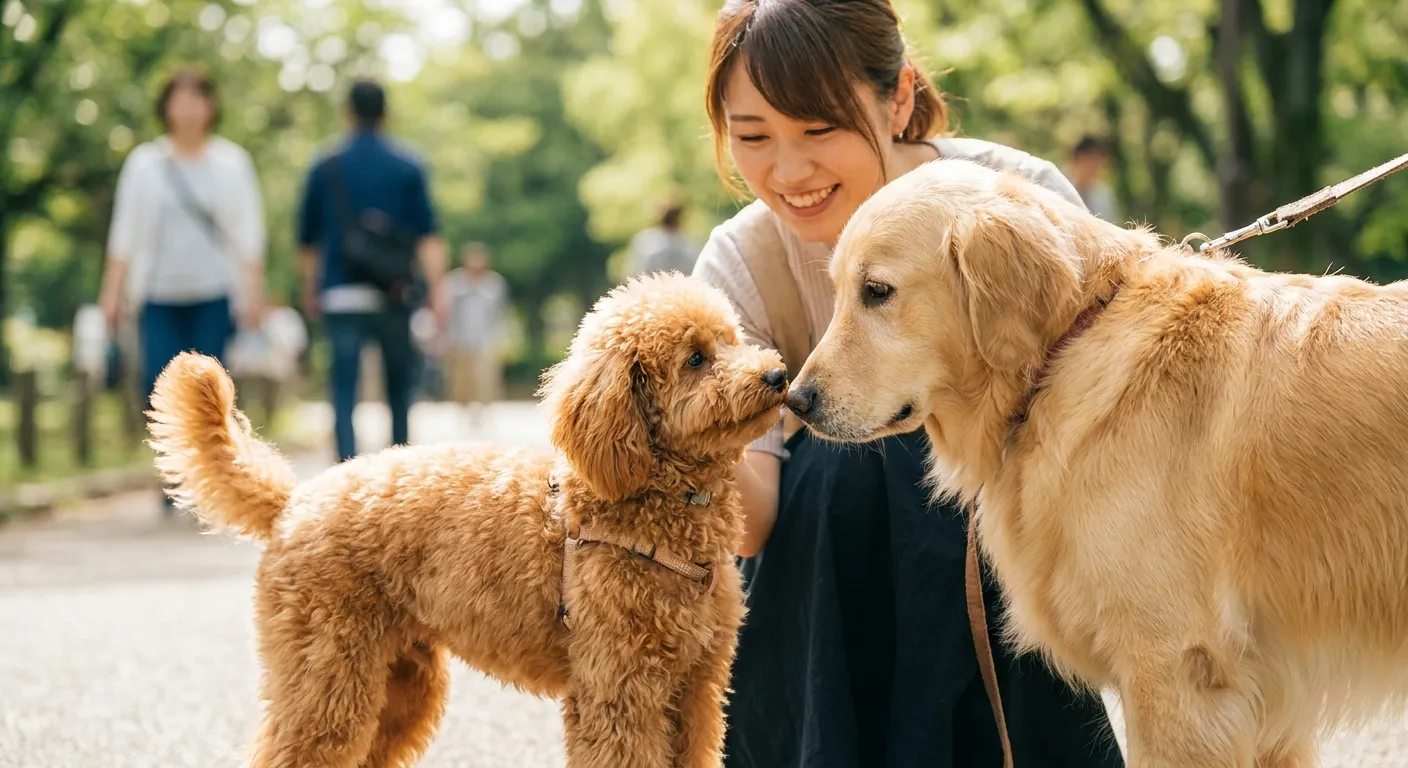
While crucial, interactions with other dogs must be carefully managed. Seek out vaccinated, gentle, and well-socialized adult dogs for playdates. Puppy classes are also an excellent option, providing a controlled environment for safe interactions with same-age peers. Always supervise closely and interrupt any overly rough play. The goal is positive experiences, not chaotic ones. For more insights on playtime, explore our Toys & Enrichment section.
Early Handling and Grooming Acclimation
Poodles require regular grooming, so early positive exposure to handling is vital. Gently touch their paws, ears, tail, and mouth daily. Pair these touches with praise and treats. Introduce them to the sound of clippers (turned off at first, then on from a distance), brushes, and baths in a calm, reassuring manner. This proactive approach will make future grooming sessions much less stressful for both of you. For essential tools, check out our Grooming & Coat Care supplies.
The Role of Positive Reinforcement in Puppy Socialization
Positive reinforcement is the cornerstone of successful puppy socialization. Every new experience, whether it’s meeting a new person, hearing a strange sound, or walking on a different surface, should be paired with something positive for your puppy. This typically means high-value treats, praise, and gentle petting. If your puppy shows signs of fear or anxiety, do not force the interaction. Instead, move them further away from the stimulus until they are comfortable, then gradually reintroduce it at a lower intensity. This careful approach is essential for any good poodle puppy socialization guide. Remember, the aim is to create positive associations, not to overwhelm your puppy. Consistency and patience are key.
Moreover, consider the power of play. Interactive games can build confidence and reinforce positive behaviors. Introducing various types of toys, from chew toys to puzzle toys, can also help your poodle puppy explore textures and problem-solving in a fun, low-stress way. This exposure, while seemingly simple, contributes significantly to their overall development and adaptability. For ideas on enriching playtime, you might browse some Poodle Shop items.
Common Socialization Mistakes to Avoid
Even with the best intentions, mistakes can happen during puppy socialization. Being aware of these pitfalls can help you navigate the process more effectively. Firstly, avoid overwhelming your puppy. Too many new experiences at once, or experiences that are too intense, can be counterproductive. Always prioritize quality over quantity. A single positive interaction is far more beneficial than several stressful ones. Secondly, do not force interactions. If your puppy is showing signs of fear (tail tucked, ears back, hiding), pushing them into a situation will only increase their anxiety and create negative associations. Instead, give them space and reintroduce the stimulus more gently later. Finally, do not solely rely on puppy classes. While beneficial, they are just one component of a comprehensive socialization plan. Your puppy needs exposure to the real world, not just other puppies in a controlled setting. A holistic poodle puppy socialization guide emphasizes diverse, real-world experiences.
Recognizing Stress Signals in Your Poodle Puppy
Understanding your puppy’s body language is crucial during socialization. Look for signs of stress or fear, such as a tucked tail, flattened ears, yawning, lip licking, averting gaze, or trying to hide. If you observe these signals, it’s a clear indication that your puppy is uncomfortable. In such cases, it’s best to remove them from the situation calmly and reassess. The goal is always to keep experiences positive and within your puppy’s comfort zone. Learning to read these signals will make your poodle puppy socialization guide efforts much more effective and humane. For further reading, authoritative sources like the American Veterinary Medical Association (AVMA) offer excellent information on recognizing puppy behavior and stress.
Continuing Socialization Beyond Puppyhood
Socialization isn’t a one-time event that ends at 16 weeks. It’s an ongoing process throughout your poodle’s life. While the critical window is vital, continued positive exposure helps maintain their confidence and adaptability. Regularly introduce them to new places, people, and well-behaved dogs. Enroll in obedience classes, participate in dog sports, or simply take them on adventures to new parks. This continuous reinforcement ensures that your poodle remains a well-adjusted, confident companion. Even adult dogs benefit from new experiences and learning opportunities. Think of it as lifelong learning for your canine friend. This comprehensive poodle puppy socialization guide extends well beyond the initial few months.
Furthermore, maintaining a consistent routine, even with new experiences, can provide a sense of security for your poodle. For example, after a trip to a new park, return home to their familiar bed or a comforting treat. This balance of novelty and routine helps them process new information without feeling overwhelmed. You might even consider engaging with various Food, Treats & Feeding Gear as part of their reward system for positive experiences.
The Long-Term Benefits of a Well-Socialized Poodle
Investing time and effort into your poodle puppy socialization guide yields incredible long-term benefits. A well-socialized poodle is:
- More Confident: They approach new situations with curiosity rather than fear.
- Less Prone to Behavioral Issues: Reduced barking, anxiety, and aggression.
- Easier to Train: They are more focused and less distracted by their surroundings.
- Happier and Healthier: Reduced stress contributes to overall well-being.
- A Joy to Live With: They can accompany you on more adventures and integrate seamlessly into your life.
Ultimately, a well-socialized poodle puppy grows into a beloved family member who can confidently navigate the world by your side. This guide provides a solid foundation for achieving that goal, fostering a happy and harmonious relationship for years to come. Remember, every positive interaction contributes to a more resilient and joyful poodle. Resources like the ASPCA also provide valuable information on dog socialization for all stages.
Conclusion
The journey of raising a poodle puppy is incredibly rewarding, and early socialization is a cornerstone of their development. By following this comprehensive poodle puppy socialization guide, you are not just exposing your puppy to new things; you are actively shaping their personality, building their confidence, and fostering a resilient spirit. Remember the critical window, prioritize positive reinforcement, and be patient and consistent. A well-socialized poodle is a testament to your dedication, bringing joy and companionship for a lifetime. Embrace this crucial period, and watch your poodle puppy blossom into a confident, well-adjusted adult, ready to take on the world with you.
FAQ Section
What is the most important time for puppy socialization?
The most critical period for a poodle puppy’s social development is typically between 8 and 16 weeks of age. During this sensitive window, puppies are most receptive to new experiences and form lasting impressions, which significantly impacts their adult temperament.
How often should I expose my poodle puppy to new things?
Aim for daily, short, positive exposures to new sights, sounds, people, and environments. Quality over quantity is key; a few positive interactions are better than overwhelming your puppy with too many at once. Consistency helps build confidence.
What if my puppy seems scared during socialization?
If your puppy shows signs of fear (e.g., tucked tail, hiding, excessive yawning), do not force the interaction. Instead, calmly remove them from the situation or increase the distance from the stimulus. Reintroduce the experience more gently later, always pairing it with positive reinforcement like treats and praise.
Can I socialize my puppy before they are fully vaccinated?
While full vaccination is important for safety, supervised socialization in controlled environments (like puppy classes or with known, vaccinated dogs) can begin before all shots are complete. Consult your veterinarian for specific advice on safe early exposure. Always avoid high-traffic dog areas until fully vaccinated.
What are some common mistakes to avoid when socializing a poodle puppy?
Common mistakes include overwhelming the puppy, forcing interactions when they are scared, and relying solely on puppy classes without exposing them to diverse real-world scenarios. Remember to keep experiences positive, brief, and varied to build a well-rounded companion.