
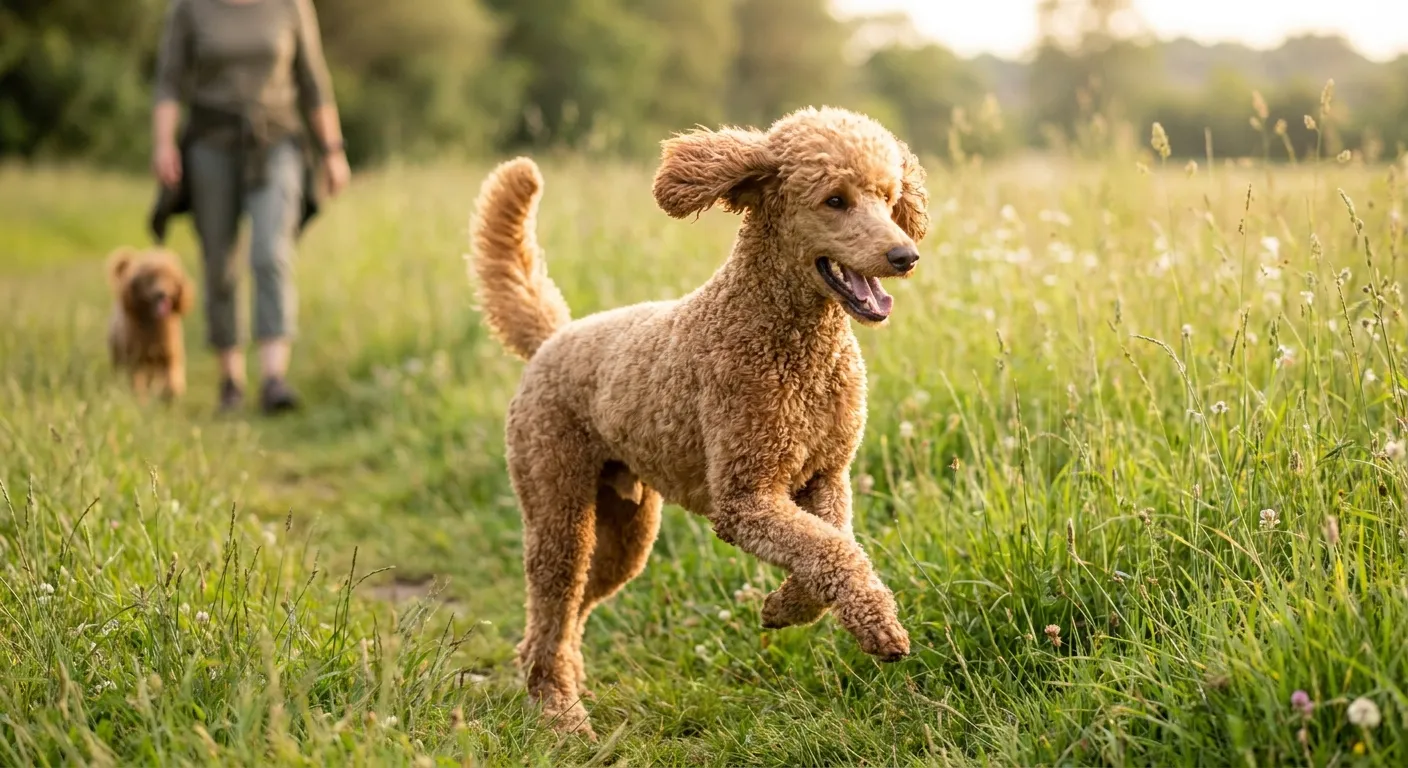
Poodles, whether Standard, Miniature, or Toy, are notably active and intelligent canines. Consequently, they possess distinct exercise requirements. Meeting their Poodle exercise needs is absolutely vital. This isn’t just for their physical health; it also profoundly impacts their mental well-being. Proper activity prevents boredom and, in turn, potential behavioral issues. Understanding the amount and type of activity your Poodle requires will certainly help you keep them happy and thriving throughout their lives.
Tailoring Exercise to Poodle Size and Age
While all Poodles share an energetic nature, their specific exercise needs genuinely vary by size and age. Standard Poodles, being the largest, naturally demand the most vigorous activity. They often require 60-90 minutes of exercise daily. This includes brisk walks, running, swimming, or active play sessions. Furthermore, Miniature Poodles are still quite energetic. They typically benefit from 30-60 minutes of daily activity, such as engaging walks, lively games of fetch, or even agility training.
Conversely, Toy Poodles, despite their small stature, are far from couch potatoes. They truly need 20-30 minutes of daily play or short walks to maintain their fitness. Puppies, regardless of their size, need multiple short play sessions spread throughout the day. This protects their developing joints. Meanwhile, senior Poodles benefit significantly from gentler, more frequent walks. This approach helps them maintain mobility without any overexertion, ensuring their comfort.
Beyond Physical Activity: Mental Stimulation for Poodles
Poodles are highly intelligent dogs. Therefore, they require significant mental stimulation in addition to their physical exercise. A lack of mental engagement can readily lead to boredom. This might manifest as destructive chewing, excessive barking, or even anxiety. To prevent this, incorporate activities that challenge their minds. For example, regular training sessions to learn new tricks are excellent. Puzzle toys that dispense treats also provide great mental engagement. Scent work, like hide-and-seek with treats, is another fantastic option. Interactive games such as ‘find it’ are similarly beneficial.
Moreover, regular outings to new environments provide novel sensory experiences. Visiting different parks or pet-friendly stores can be incredibly mentally enriching. Agility or obedience classes represent an excellent way to combine physical exercise with mental challenges. These activities fulfill their natural desire to work and learn, contributing greatly to their overall happiness. In fact, a mentally stimulated Poodle is often a more content Poodle.
Understanding the Importance of Consistent Poodle Exercise Needs
Meeting your Poodle’s exercise needs consistently is not merely a suggestion; it’s a cornerstone of responsible Poodle ownership. Regular physical activity helps maintain a healthy weight, which is crucial for preventing joint problems and other health issues. Furthermore, consistent exercise strengthens their cardiovascular system. It also builds strong muscles and improves overall stamina. Without adequate activity, Poodles can become restless, leading to undesirable behaviors. Owners often report a calmer, more obedient dog when their Poodle’s exercise requirements are met. Indeed, a tired Poodle is frequently a happy Poodle, ready to relax contentedly by your side.
Creative Ways to Meet Poodle Exercise Needs
Finding diverse ways to keep your Poodle engaged is key. Consider varying your walking routes to introduce new sights and smells. This stimulates their curious minds. Swimming is an excellent, low-impact exercise that many Poodles adore, especially Standard Poodles. Their water-retrieving heritage makes them natural swimmers. Fetch is a classic game that provides great cardiovascular exercise. Try using different types of toys to keep it interesting. For smaller Poodles, indoor games like ‘find the treat’ or even a mini-agility course set up in your living room can be highly effective. Remember, even short bursts of activity throughout the day can add up to significant exercise.
Furthermore, consider dog sports. Agility, obedience, rally, and even dock diving are fantastic outlets for a Poodle’s energy and intelligence. These activities not only provide physical exertion but also strengthen the bond between you and your Poodle. They offer a structured environment for learning and problem-solving. This is crucial for their mental well-being. Always consult with your veterinarian before starting any new strenuous exercise regimen, especially with puppies or senior Poodles, to ensure it’s appropriate for their health status.
The Link Between Exercise and Poodle Behavior
A well-exercised Poodle is generally a well-behaved Poodle. When their physical and mental exercise needs are not adequately met, Poodles can develop a range of behavioral problems. These might include excessive barking, destructive chewing, digging, or even anxiety-related behaviors. Boredom is often the root cause. Providing sufficient outlets for their energy can significantly reduce these issues. For example, a Poodle that has had a good run or a stimulating training session is much less likely to chew on furniture. They are also less likely to demand attention through incessant barking. This proactive approach to their Poodle exercise needs fosters a harmonious household environment.
Moreover, regular activity helps to release pent-up energy in a constructive way. This allows your Poodle to settle down more easily at home. It also contributes to better sleep patterns. Think of exercise as a crucial component of their daily routine, just like feeding and grooming. It helps them to be calm, content, and responsive to training. Neglecting these needs can lead to frustration for both the dog and the owner. Therefore, prioritize their activity level. For more insights on dog behavior, you might find valuable resources at AKC Dog Training Tips.
Nutrition and Hydration: Supporting Poodle Exercise Needs
To support your Poodle’s active lifestyle, proper nutrition and hydration are absolutely paramount. A high-quality diet provides the necessary energy for their daily activities. It also aids in muscle recovery and overall health. Consult your veterinarian to determine the best diet for your Poodle’s age, size, and activity level. Active Poodles might require a diet with a higher protein content. They might also need specific vitamins and minerals to support their joints and energy levels. Always ensure fresh, clean water is available, especially before, during, and after exercise. Dehydration can quickly become a serious issue, particularly during warmer weather or intense activity. Being mindful of their dietary intake and water consumption directly impacts their ability to meet their Poodle exercise needs safely and effectively.
Furthermore, consider giving small, healthy treats during training sessions or as rewards for good behavior during walks. However, remember to factor these into their daily caloric intake to prevent weight gain. Overweight Poodles face increased risks of joint problems, heart disease, and diabetes, which can severely limit their ability to exercise. Maintaining a healthy weight through a balanced diet and consistent activity is crucial for their long-term well-being. For more information on canine nutrition, a reputable source like Tufts University Cummings School of Veterinary Medicine can offer scientific advice.
Seasonal Considerations for Poodle Exercise
Adapting your Poodle’s exercise routine to different seasons is a smart and necessary practice. In warmer months, avoid exercising during the hottest parts of the day. Early mornings or late evenings are generally safer. Poodles, especially those with thicker coats, can overheat quickly. Always carry water for both you and your dog. Also, be aware of hot pavement, which can burn their paw pads. During colder months, Poodles with their dense coats generally tolerate cooler temperatures well. However, very cold weather, ice, and snow can still pose risks. Consider protective booties for their paws and a warm coat for smaller or older Poodles during extended outdoor activities. Adjusting the intensity and duration of activities based on weather conditions ensures their safety and comfort. This careful consideration helps in consistently meeting their Poodle exercise needs year-round.
Conclusion: Prioritizing Your Poodle’s Active Life
In conclusion, understanding and consistently meeting your Poodle’s exercise needs is fundamental to their health and happiness. These intelligent and energetic dogs thrive on a combination of physical activity and mental stimulation. By tailoring exercise to their size and age, incorporating creative play, and being mindful of their behavior, you can ensure your Poodle remains a well-adjusted and joyful companion. Remember that a balanced approach, encompassing proper nutrition, hydration, and seasonal adjustments, will support their active lifestyle. Prioritizing their activity level will undoubtedly lead to a healthier, happier, and more harmonious life together. Your dedication to their well-being will be profoundly rewarded with their companionship and loyalty.
Frequently Asked Questions About Poodle Activity
How much daily activity do Standard Poodles need?
Standard Poodles typically require 60-90 minutes of vigorous activity each day. This can include brisk walks, running, swimming, or active play sessions to keep them physically fit and mentally stimulated.
What kind of mental stimulation is best for Poodles?
Poodles benefit greatly from activities like training sessions to learn new tricks, puzzle toys, scent work (e.g., ‘find it’ games), and interactive play. Changing environments and attending agility or obedience classes also provide excellent mental enrichment.
Do Toy Poodles need less exercise than larger Poodles?
While Toy Poodles are smaller, they are not sedentary. They still need about 20-30 minutes of daily activity, such as short walks or play sessions, to stay healthy and prevent boredom. Their activity requirements are less intense than Standard or Miniature Poodles, but still essential.
How can I tell if my Poodle isn’t getting enough activity?
Signs of insufficient activity in a Poodle can include destructive chewing, excessive barking, digging, restlessness, anxiety, or general hyperactivity. These behaviors often indicate boredom or pent-up energy.
Are there any specific exercises Poodles particularly enjoy?
Many Poodles, especially Standards, love swimming due to their retrieving heritage. All Poodles generally enjoy fetch, brisk walks, and interactive games that involve problem-solving or learning new commands. Agility training is also a favorite for many Poodles.