
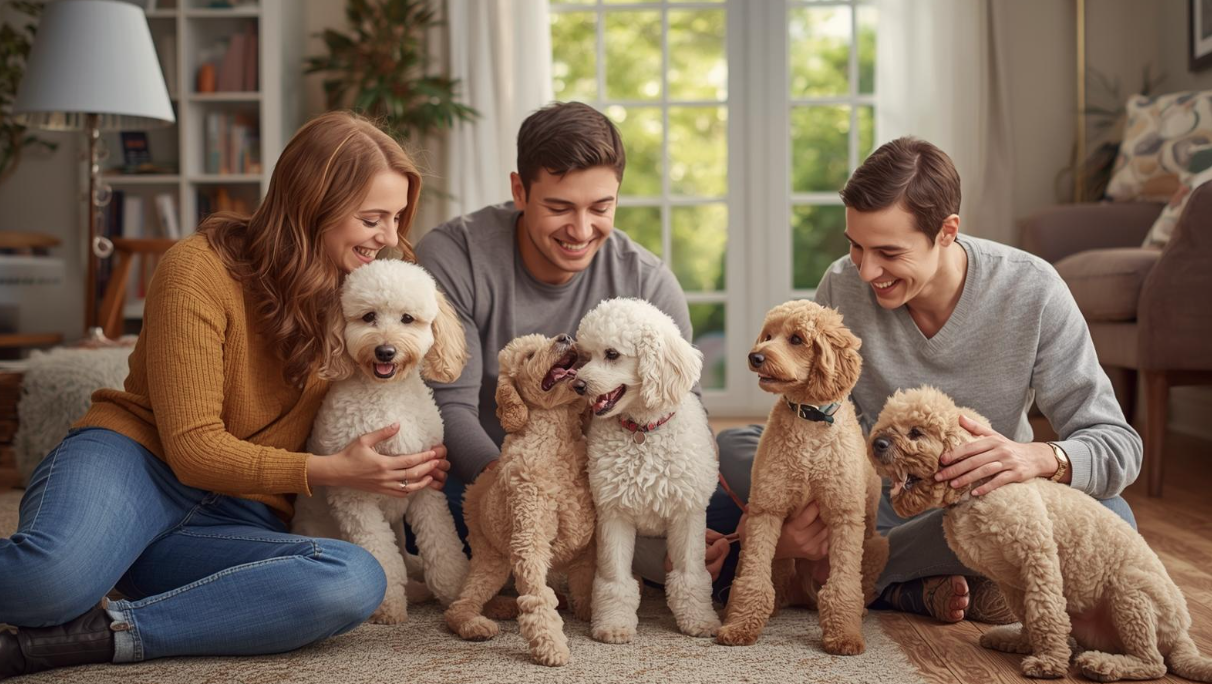
Choosing a family dog feels a bit like choosing a new chapter in life. The right dog brings laughter, comfort, and connection. The wrong match can add stress instead of joy. When it comes to poodles, the good news is encouraging. Few breeds offer the same blend of intelligence, affection, and adaptability.
Family poodle compatibility is not about trends or looks. It is about harmony. A poodle that fits your family’s energy, schedule, and emotional rhythm becomes more than a pet. It becomes part of the household story.
Poodles come in different sizes, personalities, and energy levels. Each variation brings something unique. Understanding those differences makes all the difference.
Why Poodles Are Ideal Family Dogs
Poodles have earned their reputation as exceptional companions. Their intelligence allows them to learn quickly. Their sensitivity helps them connect emotionally. Together, these traits create a dog that feels tuned in rather than tuned out.
For families, this awareness matters. Poodles read moods well. They often respond gently to stress and enthusiastically to play. Because of this, they adapt easily to family life.
Family poodle compatibility improves when emotional intelligence meets consistent structure. Poodles thrive when they feel included and understood.
Understanding Family Poodle Compatibility
Compatibility goes beyond size. It includes temperament, activity needs, and emotional resilience. A compatible poodle complements your daily rhythm rather than competing with it.
Some families enjoy active weekends and outdoor adventures. Others value calm evenings and predictable routines. Poodles can suit both, but not every size fits every scenario.
Understanding compatibility means asking honest questions about time, energy, and expectations. That clarity sets everyone up for success.
Standard Poodles as Family Companions
Standard Poodles often shine in family environments. Their larger size brings physical confidence and emotional steadiness. They tend to remain calm during busy moments.
Children benefit from this stability. Accidental bumps or sudden noise rarely overwhelm a Standard Poodle. Instead, patience often appears naturally.
Family poodle compatibility improves when calm energy anchors the home. Standard Poodles provide that grounding presence while still enjoying play and exercise.
Miniature Poodles and Active Families
Miniature Poodles bring enthusiasm and charm. Their smaller size does not limit their personality. In fact, it often amplifies it.
Families who enjoy interaction, games, and training sessions may find Miniature Poodles especially rewarding. These dogs love being involved.
However, their sensitivity requires guidance. Clear routines and gentle leadership help maintain balance. When supported well, Miniature Poodles offer joyful companionship.
Toy Poodles for Smaller Households
Toy Poodles suit families with limited space or older children. Their compact size fits apartments and quieter homes.
Despite their size, they remain intelligent and affectionate. They form strong bonds and enjoy close contact.
Family poodle compatibility increases when physical fragility is respected. Gentle handling ensures safety and trust.
Energy Levels and Family Lifestyle
Energy alignment matters. Standard Poodles enjoy exercise but relax easily afterward. This suits families with balanced routines.
Miniature and Toy Poodles often display bursts of energy. They benefit from frequent engagement and mental stimulation.
Choosing the right energy match prevents frustration. When exercise needs align, harmony follows.
Poodles and Young Children
Families with young children often prioritize patience and tolerance. Standard Poodles usually excel here.
Miniature and Toy Poodles can succeed too, provided children understand respectful interaction. Teaching boundaries protects everyone.
Family poodle compatibility grows when education flows both ways. Dogs learn household rules, and children learn empathy.
Poodles and Teenagers
Teenagers benefit from poodle companionship. Training sessions, walks, and shared routines build responsibility.
Miniature Poodles often bond closely with teens. Their playful energy mirrors youthful enthusiasm.
Standard Poodles offer emotional steadiness during stressful periods. Both sizes support growth in different ways.
Social Behavior Around Guests
Families host friends, relatives, and gatherings. A compatible poodle handles social environments calmly.
Standard Poodles usually greet guests with composed curiosity. Miniature Poodles may be more alert and vocal initially.
Early socialization improves outcomes. Exposure builds confidence and reduces anxiety.
Training and Family Involvement
Training strengthens bonds. Poodles enjoy learning and thrive when multiple family members participate.
Consistency matters. Shared commands and routines prevent confusion.
Family poodle compatibility deepens when training becomes a group activity rather than a chore.
Sensitivity and Emotional Needs
Poodles feel deeply. Emotional awareness defines the breed.
Standard Poodles manage change more smoothly. Miniature and Toy Poodles may react strongly to disruption.
Providing reassurance, routine, and calm leadership helps regulate sensitivity.
Time Commitment and Daily Care
Poodles require attention. Grooming, training, and interaction are non-negotiable.
Families with busy schedules must plan accordingly. Sharing responsibilities reduces strain.
Compatibility improves when expectations match reality.
Grooming as a Family Routine
Grooming becomes bonding time. Regular brushing and care prevent discomfort.
Standard Poodles often tolerate grooming calmly. Smaller poodles may need gradual conditioning.
Involving children teaches responsibility and compassion.
Poodles with Other Pets
Poodles generally coexist well with other animals. Their intelligence allows adaptation.
Standard Poodles often remain neutral. Smaller poodles may assert themselves.
Slow introductions and supervision create positive relationships.
Mental Stimulation for Growing Minds
Mental enrichment matters. Puzzle toys, games, and training prevent boredom.
Poodles enjoy challenges. They thrive when their minds stay engaged.
Family poodle compatibility increases when stimulation becomes routine.
Adaptability to Changing Family Dynamics
Families evolve. Schedules shift. Children grow.
Poodles adapt remarkably well. Their intelligence supports flexibility.
Consistency during transitions maintains emotional balance.
Health Considerations and Compatibility
Health impacts temperament. Proper nutrition, exercise, and veterinary care matter.
Choosing reputable breeders reduces inherited risks.
Healthy dogs integrate more smoothly into family life.
Long-Term Commitment and Joy
Poodles live long lives. Commitment spans years, not months.
Families who plan long-term experience deeper bonds.
Compatibility today shapes happiness tomorrow.
Choosing the Right Poodle for Your Family
Honest assessment leads to better choices. Size, energy, and temperament all matter.
There is no universal best. The best choice fits your life.
Family poodle compatibility thrives when expectations align with reality.
Conclusion
Perfect family poodles are not defined by size alone. They are defined by compatibility, understanding, and shared joy. Whether Standard, Miniature, or Toy, poodles bring intelligence, affection, and adaptability into family life.
When chosen thoughtfully, a poodle becomes more than a pet. It becomes a trusted companion, a teacher of empathy, and a source of daily happiness. With the right match, family poodle compatibility turns everyday moments into lifelong memories.
FAQ
1. Which poodle size is best for families with young children?
Standard Poodles often suit young children best due to patience and size.
2. Are Miniature Poodles good family dogs?
Yes, especially for active families who enjoy interaction and training.
3. Do Toy Poodles fit family life?
They can, provided children understand gentle handling and boundaries.
4. How much time do poodles need daily?
They need daily interaction, mental stimulation, and regular grooming.
5. Are poodles easy to train for families?
Yes, their intelligence and eagerness make training enjoyable and effective.