Poodles are celebrated not only for their distinctive curly coats but also for the incredible array of colors they come in. Beyond the popular white, black, and apricot, the world of Poodle coat colors is a vibrant spectrum, each with its own genetic basis and unique appeal. Understanding these colors and how they are inherited adds another layer of appreciation for this versatile breed. Indeed, the variety is truly remarkable.
Exploring the Diverse Poodle Coat Colors
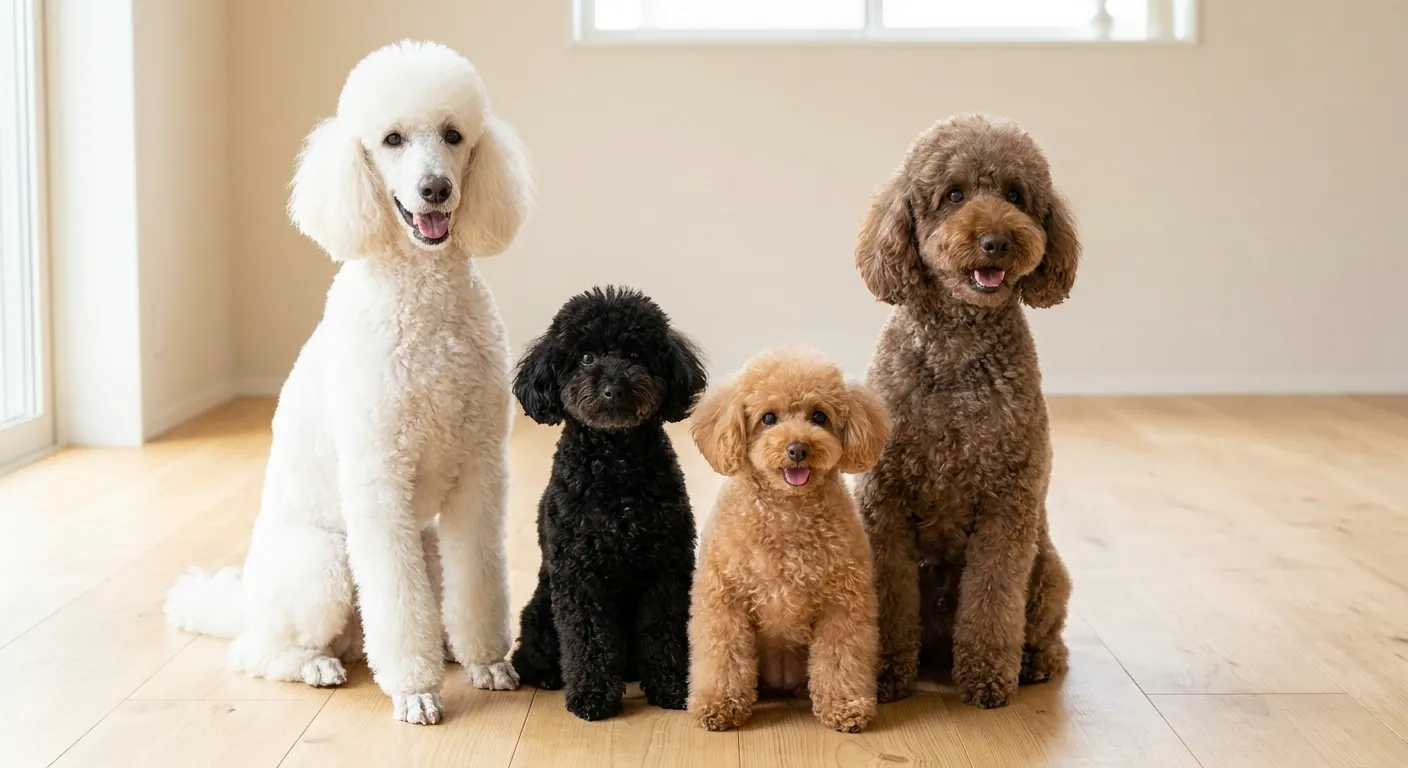
Poodle coat colors are broadly categorized into solids and partis (multi-colored). Solid colors include black, white, cream, apricot, red, brown, silver, and blue. Each of these can have variations in shade and intensity. For example, ‘blue’ Poodles are essentially a dilute black, often appearing as a dark charcoal grey. Likewise, ‘silver’ Poodles are born black and gradually clear to a light silver by around two years of age. ‘Apricot’ and ‘red’ Poodles are shades within the same genetic family, with red being a deeper, richer hue. Brown Poodles can range from a light café au lait to a deep, dark chocolate. Partis, though not recognized by all kennel clubs for show, are popular among enthusiasts. They feature patches of two or more distinct colors, such as black and white, or brown and white. The genetics behind these colors are complex, involving several genes that control pigment production and distribution. Furthermore, recognizing these distinctions helps us understand the breed’s beauty.
The Classic Solid Poodle Hues
Solid Poodle coat colors are perhaps the most recognized. Black Poodles possess a deep, rich pigment, often with a slight sheen. White Poodles, on the other hand, are pure and elegant, their coats reflecting light beautifully. Cream Poodles offer a softer, off-white appearance, while apricot Poodles present a warm, golden hue. Red Poodles are a more intense version of apricot, showcasing a striking, vibrant shade. Brown Poodles vary from light to dark chocolate, always maintaining a rich, earthy tone. Silver Poodles develop their distinct shade over time, starting dark and clearing to a luminous silver. Blue Poodles are a diluted black, appearing as a sophisticated charcoal. Each of these solid Poodle coat colors has its unique charm and appeal.
Understanding Dilution and Progressive Graying
Some Poodle coat colors involve genetic dilution. Blue Poodles, for instance, are the result of a dilution gene acting on black pigment. Similarly, café au lait Poodles are a diluted brown. These colors don’t fade; rather, they are born with a lighter, diluted shade. Progressive graying, however, is different. Silver Poodles are born black and gradually lighten to silver as they mature. This process can take up to two years. Similarly, blue Poodles may also show some progressive clearing, though typically less dramatic than silver. These genetic phenomena add complexity and beauty to the array of Poodle coat colors. Breeders carefully consider these factors when planning litters.
The Allure of Parti and Phantom Poodle Coats
Beyond solid colors, parti Poodle coat colors feature two or more distinct colors in patches. A common example is black and white, or brown and white. While some kennel clubs do not recognize parti Poodles for conformation shows, they are highly sought after by pet owners for their striking appearance. Phantom Poodles are another captivating multi-colored variety. They display specific markings, typically on the eyebrows, muzzle, chest, and legs, against a solid base color. These markings are often a lighter shade, like cream on a black Poodle, or apricot on a brown Poodle. The patterns are elegant and well-defined, making phantom Poodles particularly distinctive. These multi-colored variations truly expand the spectrum of Poodle coat colors available to enthusiasts. Their unique patterns are a delight to behold.
The Genetics Behind Poodle Coat Colors
The inheritance of Poodle coat colors is a fascinating study in canine genetics. Several genes interact to determine the final shade and pattern. The ‘E’ locus, for example, determines if a Poodle can express red/apricot pigment (phaeomelanin). Furthermore, the ‘B’ locus determines black or brown pigment (eumelanin), with ‘bb’ resulting in brown. The ‘D’ locus is responsible for dilution, where ‘dd’ turns black to blue and brown to Isabella. The ‘G’ locus causes progressive graying, leading to silver Poodles. The ‘C’ locus affects intensity, influencing the richness of red/apricot. For multi-colored Poodles, the ‘S’ locus dictates the presence and pattern of white markings. Understanding these genetic markers allows breeders to predict potential coat colors in litters, ensuring diversity while maintaining breed standards. While some colors may be rarer or more sought after, all Poodle coat colors are equally beautiful and contribute to the breed’s unique charm. Genetic testing can help breeders identify these markers accurately.
Key Loci Influencing Poodle Coat Colors
- E Locus (Extension): This gene controls the distribution of red/yellow pigment (phaeomelanin). An ‘ee’ genotype means the dog will be red, apricot, or cream, regardless of other color genes.
- B Locus (Brown): The ‘B’ locus determines whether a Poodle can produce black pigment. A ‘bb’ genotype results in brown, chocolate, or café au lait Poodle coat colors.
- D Locus (Dilution): The ‘D’ locus is responsible for diluting black to blue and brown to Isabella. A ‘dd’ genotype will produce diluted colors.
- G Locus (Graying): This gene causes progressive graying. Poodles with a ‘G’ allele are born dark but lighten to silver or blue as they mature.
- C Locus (Chinchilla/Albino): While not true albinism, variations at the ‘C’ locus can affect the intensity of red/apricot pigments. This can lead to lighter cream or white Poodle coat colors.
- S Locus (Spotting): The ‘S’ locus controls white spotting patterns, leading to parti or abstract Poodle coat colors.
Understanding these loci is crucial for breeders aiming to produce specific Poodle coat colors. It allows for informed decisions and helps maintain the health and integrity of the breed. For more detailed information on canine genetics, you can visit OFA.org.
How Genetics Predict Poodle Coat Colors in Litters
Breeders utilize genetic knowledge and testing to predict the potential Poodle coat colors of a litter. By understanding the genotypes of the parent dogs, they can anticipate the probability of certain colors appearing. For instance, if both parents carry the ‘bb’ gene, there’s a higher chance of brown Poodle puppies. Similarly, if both parents carry the ‘dd’ gene, blue or Isabella Poodles are possible. This scientific approach helps breeders responsibly manage the breed’s genetic diversity. It also allows them to produce desired Poodle coat colors while prioritizing health. Genetic testing has become an invaluable tool in modern breeding practices. Consequently, the range of available Poodle coat colors can be carefully managed.
Maintaining the Health and Vibrancy of Poodle Coats
Regardless of their specific hue, all Poodle coat colors require diligent care to maintain their health and vibrancy. The Poodle’s unique curly coat needs regular grooming to prevent matting and to keep it clean. This includes brushing several times a week and professional grooming every 4-6 weeks. Proper nutrition also plays a significant role in coat health. A diet rich in essential fatty acids, vitamins, and minerals can contribute to a shiny, healthy coat. Furthermore, protecting the coat from environmental factors like harsh sunlight and extreme weather can prevent fading and damage. Regular bathing with appropriate shampoos and conditioners is also essential. By providing consistent care, owners can ensure their Poodles’ coats remain beautiful and healthy throughout their lives. This attention is vital for all Poodle coat colors. Furthermore, a healthy coat is often an indicator of overall well-being. For comprehensive grooming tips, consider resources like AKC.org.
Grooming Essentials for Every Poodle Coat
Effective grooming is paramount for all Poodle coat colors. Firstly, regular brushing is non-negotiable. Using a slicker brush and a metal comb helps to remove loose hair and prevent mats. Secondly, professional grooming appointments are crucial for maintaining the Poodle’s characteristic clip and keeping the coat at a manageable length. These sessions typically include bathing, drying, clipping, and nail trims. Thirdly, regular ear cleaning and dental care are also important aspects of overall Poodle health, indirectly contributing to their overall appearance. Lastly, using high-quality shampoos and conditioners specifically designed for dogs can help keep the coat hydrated and soft. Adhering to a consistent grooming schedule will ensure your Poodle’s coat remains in top condition, regardless of its color. This dedicated care enhances the beauty of all Poodle coat colors.
Nutrition’s Role in Enhancing Poodle Coat Colors
The diet a Poodle consumes significantly impacts the health and appearance of its coat. High-quality dog food, rich in protein, essential fatty acids (like Omega-3 and Omega-6), and antioxidants, can promote a lustrous and vibrant coat. For example, Omega fatty acids are known to improve skin health and coat shine, while protein is vital for hair growth. Additionally, certain vitamins, such as Biotin and Vitamin E, play a role in maintaining coat integrity and preventing dryness. Owners should consult with their veterinarian to choose a diet that best suits their Poodle’s specific needs, potentially including supplements if recommended. A well-nourished Poodle will exhibit a healthier, more vibrant coat, regardless of its specific Poodle coat colors. Therefore, nutrition is a cornerstone of coat care.
The Unique Charm of Each Poodle Coat Color
Every Poodle coat color possesses its own unique charm and appeal. From the classic elegance of black and white Poodles to the fiery vibrancy of red Poodles, there is a hue to suit every preference. Silver Poodles captivate with their gradual clearing process, while blue Poodles offer a sophisticated, muted tone. Parti Poodles, with their striking patterns, stand out in any crowd. These diverse options highlight the breed’s incredible versatility and genetic richness. Ultimately, the choice of a Poodle’s coat color is a personal one, but each shade tells a story of genetic inheritance and breed history. The beauty inherent in all Poodle coat colors is undeniable, adding to their status as beloved companions. Their varied appearances contribute significantly to their widespread appeal.
The diverse range of Poodle coat colors is a testament to the breed’s genetic richness and appeal. Each color holds its own allure, making Poodles not just intelligent companions but also stunning visual masterpieces. Whether you prefer the timeless appeal of a solid color or the unique patterns of a parti, the world of Poodle coat colors offers a truly beautiful spectrum. This remarkable variety ensures that there is a Poodle for every aesthetic preference. Indeed, the beauty of these dogs is multifaceted.
FAQ
What are the most common Poodle coat variations?
The most common Poodle coat variations include solid colors such as black, white, cream, apricot, red, brown, silver, and blue. Additionally, multi-colored variations like parti and phantom Poodles are also quite popular among enthusiasts.
Do Poodle puppies change their coat shade as they grow?
Yes, some Poodle puppies do change their coat shade as they grow. For example, silver Poodles are born black and gradually lighten to silver, a process known as progressive graying. Blue Poodles may also show some clearing. Apricot and red Poodles can sometimes fade or deepen slightly with age.
Are certain Poodle coat types rarer than others?
Some Poodle coat types are considered rarer than others. While solid black, white, and apricot are quite common, certain diluted shades like Isabella (lilac) or some specific parti patterns might be less frequently seen. However, rarity does not equate to superiority or health.
How does diet affect a Poodle’s coat appearance?
A Poodle’s diet significantly affects its coat appearance. A high-quality diet rich in essential fatty acids (like Omega-3 and Omega-6), proteins, and vitamins helps maintain a healthy, shiny, and vibrant coat. Poor nutrition can lead to a dull, dry, or brittle coat. Therefore, proper nutrition is crucial for all coat types.
What is the difference between a parti and a phantom Poodle?
A parti Poodle has patches of two or more distinct colors, typically white combined with another solid color like black or brown. A phantom Poodle, on the other hand, has specific lighter markings (often cream or apricot) on a solid base color, usually appearing on the eyebrows, muzzle, chest, and legs, creating a very distinct pattern.