Curious about what makes the Poodle so special? This complete Poodle breed guide explores one of the most beloved and intelligent dog breeds in the world. Known for their signature curls and quick minds, Poodles are affectionate, loyal, and adaptable companions.
Whether you’re researching before adoption or already own one, this Poodle guide will help you understand everything — from temperament and training to grooming, diet, and health.
A Complete Poodle Breed Guide to Their History
In this complete Poodle breed guide, it’s essential to start with where it all began. Despite being France’s national dog, the Poodle originated in Germany, where it worked as a skilled water retriever. The word “Poodle” comes from Pudel, meaning “to splash.”
In France, the breed’s intelligence and elegance gained popularity among the aristocracy. Over time, breeders created three distinct types — Standard, Miniature, and Toy Poodles — all sharing the same intelligence and charm.
Poodle Varieties in the Complete Poodle Breed Guide
This guide to Poodles wouldn’t be complete without exploring their different sizes. Each Poodle variety has its own personality and exercise needs but follows the same breed standard.
Standard Poodle: The Athletic Original
The Standard Poodle is the foundation of the breed.
- Height: 22–27 inches
- Weight: 45–70 pounds
- Traits: Confident, loyal, energetic
Standard Poodles love adventure. This Poodle breed information highlights that they thrive in active homes where they can run, swim, and learn new tasks.
Miniature Poodle: The Balanced Companion
Miniature Poodles combine the athleticism of the Standard with the compact size of a Toy.
- Height: 10–15 inches
- Weight: 12–20 pounds
They’re highly adaptable, making them a top choice in this Poodle guide for families and city dwellers alike.
Toy Poodle: The Petite Performer
At under 10 inches tall, Toy Poodles are charming lap companions. They’re affectionate and incredibly intuitive — often forming deep emotional bonds with their owners.
Physical Features in This Complete Poodle Breed Guide
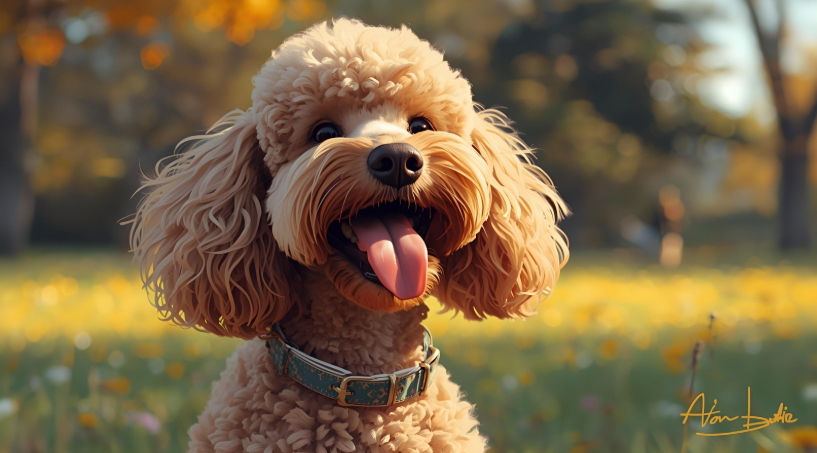
A standout feature of the complete Poodle breed guide is the coat. Poodles are famous for their tight, hypoallergenic curls, which don’t shed much but need regular grooming.
Typical features include:
- Long, straight muzzle
- Dark, expressive eyes
- Floppy ears with soft curls
- Graceful posture and square build
Their “Poodle clip” originated from hunters who wanted to protect joints from cold water while keeping the rest of the body streamlined for swimming.
Temperament and Personality in This Poodle Guide
No complete Poodle breed guide would be accurate without highlighting the breed’s intelligence. Poodles are consistently ranked among the top three smartest dogs.
Personality traits:
- Affectionate and loyal
- Playful yet dignified
- Quick to learn new commands
- Emotionally intuitive with family members
Poodles love attention but also appreciate structure. With proper training, they’re excellent family pets and adapt well to various living situations.
Training Tips from the Complete Poodle Breed Guide
Training your Poodle is a rewarding experience. Their intelligence means they learn quickly, but it also means they need mental challenges.
Tips from this Poodle guide:
- Use positive reinforcement — Poodles respond best to praise and treats.
- Keep sessions short and engaging.
- Start early with obedience and socialization.
- Use puzzle toys to stimulate their minds.
Because of their emotional sensitivity, harsh discipline should be avoided. Poodles thrive in encouraging, patient environments.
Exercise Needs: Essential Advice in the Complete Poodle Breed Guide
No Poodle guide would be complete without discussing activity. Poodles have an energetic streak that requires daily physical and mental exercise.
- Standard Poodles: 60–90 minutes daily
- Miniature Poodles: 45–60 minutes daily
- Toy Poodles: 30–45 minutes daily
They enjoy agility training, swimming, fetch, and long walks. Meeting these needs helps prevent boredom and anxiety — especially in smaller Poodles who may develop restlessness indoors.
Grooming Advice from the Complete Poodle Breed Guide
When it comes to coat care, this complete Poodle breed guide emphasizes consistency. Their thick, curly fur requires dedication but rewards you with a stunning, hypoallergenic coat.
Grooming essentials:
- Brush 3–4 times weekly to prevent matting
- Schedule professional grooming every 4–6 weeks
- Clean ears weekly to avoid infections
- Trim nails regularly
- Brush teeth several times per week
Popular cuts include the puppy clip, teddy bear trim, and continental clip, depending on your lifestyle and aesthetic preference.
Health and Lifespan in the Complete Poodle Breed Guide
Like all breeds, Poodles have some hereditary risks. This guide to Poodles helps you stay proactive about health care.
Common health concerns:
- Hip dysplasia
- Progressive Retinal Atrophy (PRA)
- Addison’s disease
- Epilepsy
- Bloat (mainly in Standards)
Lifespan:
- Toy Poodles: 14–17 years
- Miniature Poodles: 13–16 years
- Standard Poodles: 12–15 years
Routine vet visits, balanced nutrition, and daily exercise are key components of long-term health.
Feeding and Nutrition in the Complete Poodle Breed Guide
A balanced diet is essential for your Poodle’s vitality. This complete Poodle breed guide recommends high-quality food that supports joint, coat, and brain health.
Diet essentials:
- Lean protein (chicken, fish, or turkey)
- Omega-3 fatty acids for coat and skin
- Limited fillers and artificial additives
- Fresh water available at all times
Consult your vet for portion recommendations based on your Poodle’s size and energy level.
Poodles as Family Dogs: What This Poodle Guide Reveals
Poodles fit beautifully into family life, making them a favorite in this complete Poodle breed guide.
They’re affectionate with children, gentle with seniors, and typically get along well with other pets. Their intelligence also makes them excellent therapy dogs, providing comfort and emotional support.
With proper training and socialization, Poodles become lifelong companions who adapt to nearly any home environment.
Fun Facts from the Complete Poodle Breed Guide
- “Poodle” comes from the German word Pudel, meaning “to splash.”
- Poodles were circus performers in 18th-century Europe.
- They come in over ten colors, including apricot, black, white, red, and silver.
- Many designer breeds — like Goldendoodles — come from Poodle crosses.
- Despite their fancy reputation, Poodles are athletic and love to swim.
Conclusion: Why This Complete Poodle Breed Guide Matters
As this complete Poodle breed guide shows, the Poodle is more than just elegance — it’s intelligence, affection, and adaptability all wrapped in one beautiful package.
Whether you choose a Toy, Miniature, or Standard, each Poodle shares the same loving personality and remarkable loyalty. With proper care, grooming, and mental stimulation, your Poodle will thrive for many happy, healthy years.
If you’re seeking a dog that’s smart, stylish, and endlessly devoted, the Poodle could be the perfect match.
Suggested Image Alt Attributes (for SEO)
- “complete Poodle breed guide infographic”
- “Standard Poodle profile photo – complete Poodle breed guide”
- “Toy and Miniature Poodles grooming example – Poodle guide”
- “training and exercise tips for Poodles – Poodle breed information”
- “Poodle family dog portrait – complete Poodle breed guide”
FAQ
1. What is the lifespan of a Poodle?
Toy Poodles live about 14–17 years, Miniatures 13–16, and Standards 12–15 years.
2. Are Poodles easy to train?
Yes, Poodles are extremely intelligent and respond well to positive reinforcement training.
3. Do Poodles shed a lot?
No, Poodles are low-shedding and considered hypoallergenic. Regular grooming controls loose hair.
4. How often should a Poodle be groomed?
Brush several times per week and schedule professional grooming every 4–6 weeks.
5. Which Poodle variety is best for families?
All three — Toy, Miniature, and Standard — make excellent family pets. Choose based on your lifestyle and space.