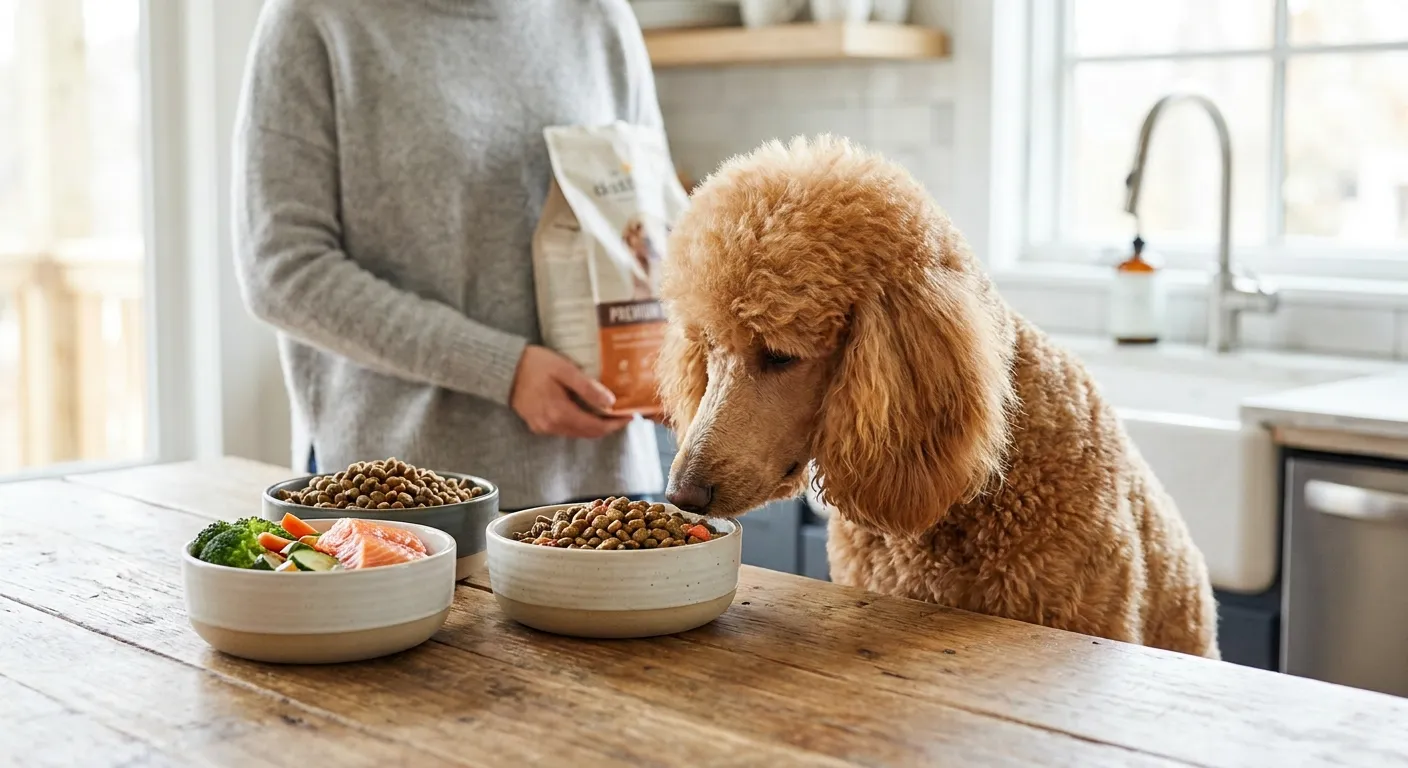
Selecting the best dog food for Poodles is a cornerstone of their long-term health and vitality. Poodles, regardless of size, thrive on a balanced diet that supports their active lifestyle, maintains their distinctive coat, and addresses potential breed-specific sensitivities. As an intelligent and often sensitive breed, their nutritional needs deserve careful consideration to ensure they receive all necessary nutrients for optimal well-being.
A Poodle’s diet profoundly impacts their energy levels, coat quality, and overall resilience. Therefore, understanding what constitutes a high-quality diet is crucial. This guide will walk you through the key considerations, from essential ingredients to tailoring nutrition for different life stages and sizes. By making informed decisions, you can significantly contribute to your Poodle’s happiness and longevity.
Understanding Your Poodle’s Unique Nutritional Needs
Poodles are known for their elegance, intelligence, and active nature. Consequently, their diet must provide adequate energy and support for their physical and mental demands. Their luxurious, curly coat, for example, requires specific nutrients to remain healthy and vibrant. Furthermore, Poodles can sometimes be prone to certain health conditions, such as bloat, which can be influenced by diet. Therefore, a thoughtful approach to their nutrition is always recommended.
Different Poodle sizes—Standard, Miniature, and Toy—also have varying caloric requirements and kibble size preferences. For instance, a Standard Poodle will naturally need more calories than a Toy Poodle to maintain its body weight. Moreover, some Poodles might have sensitive stomachs or allergies, necessitating specialized diets. Always observe your Poodle’s response to their food, noting any changes in digestion, coat condition, or energy levels.
Key Ingredients for the Best Dog Food for Poodles
When evaluating dog food, look for high-quality animal protein as the first ingredient. Examples include chicken, beef, lamb, or fish. Poodles benefit immensely from protein sources that support muscle maintenance and energy. In fact, protein is essential for every cell in their body, aiding in repair and growth. Aim for a diet where protein makes up a significant portion of the nutritional profile.
Healthy fats, like omega-3 and omega-6 fatty acids, are crucial. These can be sourced from fish oil, flaxseed, or chicken fat. They are vital for their luxurious coat and skin health, as well as cognitive function. Furthermore, fats provide concentrated energy, which is important for active Poodles. Meanwhile, carbohydrates from whole grains (brown rice, oats) or complex vegetables (sweet potatoes, peas) provide sustained energy. These complex carbohydrates release energy slowly, preventing sudden spikes and crashes.
It is wise to avoid foods with excessive fillers, artificial colors, flavors, or preservatives. These ingredients offer little nutritional value and can sometimes trigger sensitivities. Specifically, some Poodles may have sensitivities to common allergens like corn, wheat, or soy. For those individuals, opting for grain-free or limited-ingredient diets can be beneficial. Always read ingredient labels carefully to ensure you are providing the most wholesome options for your Poodle.
Tailoring Nutrition to Age, Size, and Activity Level
Just as with humans, a Poodle’s dietary needs evolve throughout their life. Puppies, for example, require higher calories and specific nutrient ratios to support rapid growth and development. This is especially true during their first year. For a smooth transition, consider our guide on Welcoming Home Your Poodle Puppy. Adult Poodles, on the other hand, need maintenance formulas to sustain their energy and health without overfeeding.
Senior Poodles might benefit from lower-calorie diets that are easier to digest and include joint-supporting supplements like glucosamine and chondroitin. Our article on Comprehensive Senior Poodle Care Tips offers more insights. The size of your Poodle also influences portion control and kibble size. Toy Poodles need tiny kibble that they can easily chew, whereas Standard Poodles can handle larger pieces. This ensures proper digestion and reduces the risk of choking.
Always follow feeding guidelines on the food packaging. Adjust these as needed based on your Poodle’s activity level, weight, and body condition. For instance, a highly active Poodle will naturally require more food than a less active one. Consulting with your veterinarian can provide personalized recommendations, especially if your Poodle has specific health concerns or allergies. They can help determine the best dog food for Poodles with unique dietary requirements.
Considering Breed-Specific Health Concerns
Poodles, like many purebred dogs, can be predisposed to certain health conditions that diet can either help manage or exacerbate. For example, some Poodles may be prone to allergies, which often manifest as skin issues or digestive upset. In such cases, hypoallergenic or limited-ingredient diets can make a significant difference. Identifying and avoiding specific allergens is key to their comfort and well-being.
Another concern for larger Poodles, particularly Standard Poodles, is bloat (gastric dilatation-volvulus). While diet isn’t the sole factor, feeding smaller, more frequent meals and using slow-feeder bowls can help mitigate the risk. You can learn more about Preventing Bloat in Poodles on our site. Furthermore, maintaining an ideal weight through proper nutrition is crucial for preventing joint problems, which can affect Poodles as they age.
Dental health is also paramount; therefore, choosing kibble that helps clean teeth can be advantageous. Some dry foods are specifically designed to reduce plaque and tartar buildup. This is an important aspect of overall health, as poor dental hygiene can lead to other systemic issues. Our Poodle Dental Care Tips provide further guidance. Discussing these concerns with your vet will help you select the most appropriate diet for your Poodle.
Wet Food vs. Dry Food: Making the Right Choice
When it comes to feeding your Poodle, you generally have two main options: wet food or dry kibble. Each has its own set of advantages and disadvantages. Dry kibble is often more convenient, more economical, and can help with dental hygiene by reducing plaque buildup. Furthermore, it typically has a longer shelf life once opened. Many owners find dry food easier to store and measure.
Wet food, conversely, offers higher moisture content, which can be beneficial for hydration, especially for Poodles who don’t drink enough water. It is also often more palatable, making it a good choice for picky eaters or Poodles with dental issues that make chewing dry kibble difficult. However, wet food is generally more expensive and spoils faster once opened. Some Poodles may thrive on a combination of both, getting the benefits of hydration from wet food and dental cleaning from dry. For more information on dry food, refer to our guide on Choosing the Best Dry Food for Optimal Health.
Ultimately, the choice between wet and dry food, or a combination, depends on your Poodle’s individual preferences, health needs, and your lifestyle. What works well for one Poodle might not be the best solution for another. Therefore, careful observation and consultation with your veterinarian are essential to determine the best dog food for Poodles in your care.
Raw and Home-Cooked Diets: Are They Right for Your Poodle?
Some Poodle owners choose to feed raw or home-cooked diets, believing these offer more control over ingredients and better nutrition. Raw diets, often referred to as BARF (Biologically Appropriate Raw Food) diets, typically consist of raw meat, bones, fruits, and vegetables. Advocates suggest these diets mimic a dog’s ancestral diet and can lead to improved coat health, higher energy, and better digestion.
However, raw diets carry risks, including bacterial contamination and nutritional imbalances if not prepared correctly. It is challenging to ensure a raw diet is complete and balanced without expert guidance. Similarly, home-cooked diets can be excellent if formulated by a veterinary nutritionist. Without proper formulation, they can easily lack essential vitamins and minerals, leading to long-term health problems. This is a significant concern for pet owners.
If you are considering a raw or home-cooked diet for your Poodle, it is absolutely critical to consult with a veterinarian or a board-certified veterinary nutritionist. They can help you create a balanced and safe meal plan that meets all your Poodle’s nutritional needs. This ensures that you provide the best dog food for Poodles while minimizing potential risks. For additional expert information on raw diets, you can consult resources like the University of Illinois College of Veterinary Medicine.
Supplements for Poodles: When Are They Necessary?
A well-balanced, high-quality dog food should ideally provide all the nutrients your Poodle needs. However, there are instances where supplements can be beneficial. For example, Poodles with joint issues, especially older Poodles or those with a history of orthopedic problems, might benefit from glucosamine and chondroitin supplements. These can help support joint health and mobility. Similarly, Poodles with dry skin or a dull coat may benefit from omega fatty acid supplements, even if their food contains some.
Probiotics can be helpful for Poodles with sensitive stomachs or digestive issues, promoting a healthy gut microbiome. Multivitamins are generally not necessary if your Poodle is eating a complete and balanced diet, but they might be recommended by a vet for Poodles recovering from illness or those with specific deficiencies. It’s crucial to remember that supplements are not a substitute for a good diet.
Before introducing any supplements, always consult your veterinarian. They can assess your Poodle’s individual needs, identify any deficiencies, and recommend appropriate supplements and dosages. Over-supplementation can be just as harmful as deficiencies. Therefore, always seek professional advice to ensure you are truly providing the best dog food for Poodles, supplemented wisely and effectively. For further reading on pet nutrition, the ASPCA offers valuable insights into safe pet practices.
Transitioning Your Poodle to a New Food
Changing your Poodle’s food too quickly can lead to digestive upset, including vomiting or diarrhea. Therefore, a gradual transition is always recommended. Start by mixing a small amount of the new food with their current food, typically about 25% new food and 75% old food. Maintain this ratio for a few days, observing your Poodle’s digestion and stool quality.
If your Poodle tolerates the change well, gradually increase the proportion of the new food over the next 7-10 days. For example, move to 50% new food and 50% old food for a few days, then 75% new and 25% old, until you are feeding 100% new food. This slow transition allows your Poodle’s digestive system to adjust to the new ingredients and nutrient profile. If any digestive upset occurs, slow down the transition or consult your veterinarian.
This careful approach helps ensure a smooth and comfortable dietary change for your Poodle. It also allows you to monitor for any adverse reactions or allergies to the new food. Patience during this process is key to successfully introducing the best dog food for Poodles and preventing unnecessary stress or discomfort for your companion.
Conclusion
Choosing the best dog food for Poodles is a significant commitment to their health and happiness. By understanding their unique nutritional requirements, focusing on high-quality ingredients, and tailoring their diet to their age, size, and activity level, you can provide the foundation for a long, vibrant life. Always prioritize protein, healthy fats, and complex carbohydrates, while avoiding unnecessary fillers and artificial additives. Remember to consult your veterinarian for personalized advice, especially if your Poodle has specific health concerns or dietary restrictions.
A well-nourished Poodle is a vibrant companion, ready to enjoy life to the fullest. Investing time and effort into selecting the right food will pay dividends in their overall well-being, from a sparkling coat to boundless energy. Your Poodle deserves the very best, and with this guide, you are well-equipped to make informed decisions about their diet.
FAQ
What kind of food is best for a Poodle’s sensitive stomach?
For Poodles with sensitive stomachs, limited-ingredient diets or hypoallergenic formulas are often recommended. These foods typically contain a single source of animal protein and a limited number of carbohydrates to reduce the likelihood of triggering sensitivities. Consulting your veterinarian is crucial to identify specific allergens and choose an appropriate diet.
How often should I feed my Poodle puppy?
Poodle puppies generally need to be fed more frequently than adult Poodles. Typically, puppies under six months old should be fed three to four times a day. As they grow, you can gradually reduce the frequency to two meals a day, which is common for adult Poodles. Always follow the guidelines on your puppy food packaging and consult your vet.
Are grain-free diets necessary for all Poodles?
Grain-free diets are not necessary for all Poodles. Many Poodles thrive on diets that include grains like brown rice or oats. However, if your Poodle exhibits signs of a grain allergy, such as skin irritation or digestive issues, a grain-free diet might be beneficial. It’s important to discuss this with your veterinarian to determine if a grain-free option is suitable for your dog.
How can I tell if my Poodle’s diet is working?
You can tell if your Poodle’s diet is working by observing several indicators. A healthy Poodle will have a shiny coat, clear eyes, good energy levels, and consistent, firm stools. They should also maintain a healthy weight. If you notice a dull coat, lethargy, digestive upset, or changes in weight, it might be time to re-evaluate their food with your vet.
What human foods are safe for Poodles to eat?
While a complete and balanced dog food should be their primary diet, some human foods are safe in moderation. Cooked, plain lean meats (chicken, turkey), certain fruits (apples, blueberries, bananas), and vegetables (carrots, green beans) can be healthy treats. Always avoid toxic foods like chocolate, grapes, onions, and xylitol. Consult your vet before introducing new human foods.