
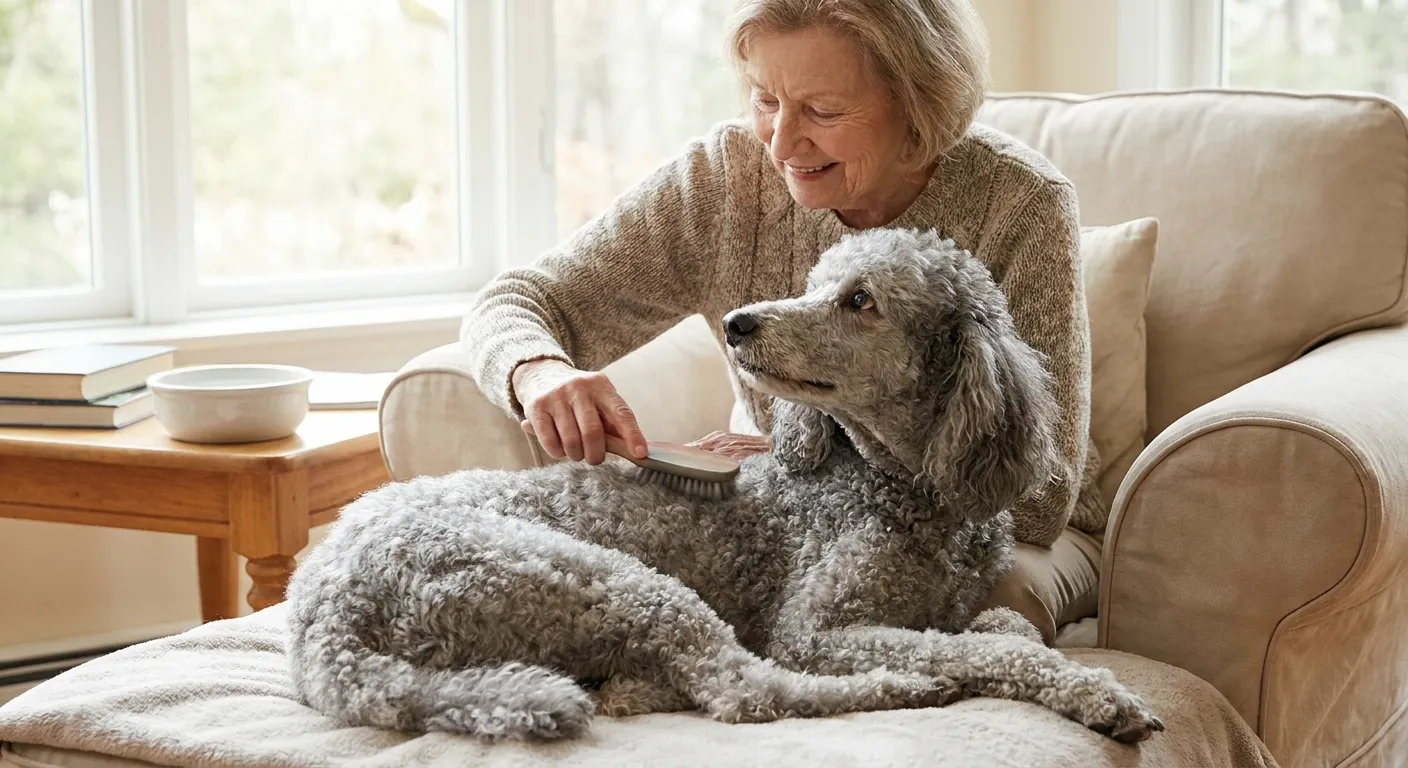
As our beloved Poodles transition from energetic adults to graceful seniors, their needs evolve significantly. Providing exceptional senior Poodle care tips ensures their golden years are as comfortable, joyful, and healthy as possible. Recognizing the signs of aging and adapting their routine, diet, and veterinary care can significantly enhance their quality of life. This guide will help you understand the unique aspects of caring for an older Standard, Miniature, or Toy Poodle.
Recognizing the Signs of Aging in Your Poodle
Aging isn’t a disease; instead, it’s a natural process that all dogs experience. Common signs of aging in Poodles include a decrease in energy levels and increased sleeping. You might also notice graying around the muzzle and eyes, as well as changes in coat texture. Furthermore, potential weight fluctuations are common. You might also observe stiffness, difficulty with stairs or jumping, or changes in vision or hearing. Shifts in appetite or thirst are also indicators. Behavioral changes, such as increased anxiety or confusion, can also occur. Early recognition allows for timely intervention and adaptation, thus improving their comfort.
Adapting Exercise for Senior Poodles
While your senior Poodle may not chase balls with the same vigor, regular, gentle exercise remains vital for their well-being. Short, frequent walks at a slower pace are often more beneficial than one long, strenuous outing. Swimming can be an excellent low-impact activity, specifically supporting joints without strain. Moreover, focus on mental stimulation through puzzle toys or gentle training sessions to keep their minds sharp. Always observe your Poodle for signs of fatigue or discomfort, and consequently, adjust activity levels accordingly to prevent injury.
Nutritional Adjustments for the Aging Poodle
As Poodles age, their metabolism slows, and consequently, their dietary needs change. They typically require fewer calories to maintain a healthy weight, but often benefit from higher-quality protein to support muscle mass. Look for senior-specific dog foods that are formulated with joint-supporting ingredients like glucosamine and chondroitin, and antioxidants for immune health. Discuss any significant changes in appetite or weight with your veterinarian, as these can indicate underlying health issues that require attention.
Maintaining a Healthy Weight in Senior Poodles
Obesity in senior dogs can exacerbate joint pain, heart conditions, and other age-related illnesses. Conversely, unexplained weight loss can signal dental problems, organ disease, or even cancer. Regular weigh-ins and consistent monitoring of your Poodle’s body condition score are crucial. Adjust food portions and treats as needed to ensure they maintain an ideal weight, which is a cornerstone of effective senior Poodle care. For more information on diet, consider our guide on Fueling Your Poodle: A Guide to Choosing the Best Dry Food for Optimal Health.
Comprehensive Veterinary Care for Seniors
Senior Poodles benefit from more frequent veterinary check-ups, typically every six months. These visits allow your vet to monitor for age-related conditions like arthritis, kidney disease, heart disease, and cancer, which are more common in older dogs. Regular blood work, urine analysis, and dental examinations are essential components of their preventive care. Early detection of health issues often leads to more successful treatment outcomes, therefore enhancing their quality of life.
The Importance of Regular Dental Care
Dental health is particularly critical for older Poodles. Periodontal disease is widespread in senior dogs and can lead to pain, infection, and even impact organ health. Regular professional dental cleanings under anesthesia, along with at-home brushing, are vital. Your vet can recommend appropriate dental care strategies. In fact, neglecting oral hygiene can significantly worsen other age-related conditions. Read our article Sparkling Smiles: Essential Dental Care Tips for Your Poodle’s Oral Health for detailed advice.
Creating a Comfortable Environment for Your Senior Poodle
An aging Poodle will appreciate adjustments to their living space that accommodate their changing mobility and sensory abilities. Provide orthopedic beds to cushion aching joints. Use ramps or steps to help them access furniture or vehicles, preventing strenuous jumps. Ensure their environment is consistent and free from clutter to reduce confusion, especially if their vision is declining. Non-slip rugs can also prevent falls on slick floors. These thoughtful modifications greatly contribute to their comfort and safety.
Managing Mobility Issues
As Poodles age, mobility can become a significant challenge due to arthritis or other joint conditions. Speak with your veterinarian about pain management options, which might include anti-inflammatory medications, joint supplements, or even physical therapy. Supportive harnesses or slings can assist them with walking or standing. Furthermore, maintaining a healthy weight is paramount to reducing stress on their joints. Regular, gentle exercise also helps maintain muscle mass and flexibility.
Addressing Cognitive Changes and Behavioral Shifts
Some senior Poodles may experience cognitive dysfunction syndrome (CDS), similar to Alzheimer’s in humans. Signs include disorientation, changes in sleep-wake cycles, house-soiling, and altered interactions. If you notice these changes, consult your vet. There are medications and dietary supplements that can help manage CDS symptoms. Providing a consistent routine, mental stimulation, and a calm environment can also support their cognitive health. Patience and understanding are key when dealing with these shifts.
Maintaining Mental Stimulation
Keeping your senior Poodle’s mind active is just as important as keeping their body active. Engage them with puzzle toys that dispense treats, or practice simple, familiar commands. Gentle training sessions using positive reinforcement can also be very beneficial. Social interaction with familiar people and calm dogs can also provide valuable mental engagement. Ultimately, a stimulated mind contributes to overall well-being and happiness for an aging canine. These activities are excellent senior Poodle care tips.
Grooming Needs for the Older Poodle
Senior Poodles often require more attentive grooming. Their coat may become drier, thinner, or more prone to matting, especially if they are less active or have difficulty grooming themselves. Regular brushing is crucial to prevent mats and stimulate circulation. Be gentle, as their skin may be more sensitive. Professional grooming sessions can also be adapted to their needs, with shorter appointments and extra care for their comfort. Nail trims are also essential, as overgrown nails can affect their gait and cause discomfort. For a detailed guide on maintaining their coat, see Essential Poodle Grooming: A Step-by-Step Guide to Brushing Your Poodle’s Coat.
Skin and Coat Health
As Poodles age, their skin can become thinner and more susceptible to issues. Watch for lumps, bumps, dry patches, or any changes in their skin. Regular grooming allows you to inspect their skin closely. A balanced diet rich in omega fatty acids can also support skin and coat health. If you notice any persistent skin problems, consult your veterinarian, as they could indicate underlying health concerns. These observations are important aspects of providing comprehensive senior Poodle care tips.
End-of-Life Planning and Support
While a difficult topic, planning for your Poodle’s end-of-life care is an important part of responsible pet ownership. Discuss quality of life indicators with your veterinarian and understand options for palliative care or hospice. Knowing what to expect and making informed decisions in advance can help ease stress during a challenging time. Providing comfort and love remains paramount throughout their final stages. This thoughtful approach ensures peace for both you and your cherished companion.
Conclusion: Embracing the Golden Years with Your Poodle
Caring for a senior Poodle is a rewarding experience that deepens the bond you share. By recognizing the signs of aging, adapting their environment, providing specialized nutrition, and maintaining vigilant veterinary care, you can ensure their golden years are filled with comfort, joy, and dignity. Each Poodle is unique, so pay close attention to your individual companion’s needs and adjust your care accordingly. These comprehensive senior Poodle care tips are designed to help you support your beloved friend every step of the way, making their senior years truly golden. For additional resources on pet care, the ASPCA offers valuable insights into senior dog care, and the AKC provides expert advice on caring for older dogs.
Frequently Asked Questions About Senior Poodle Care
What are the first signs of aging in Poodles?
The initial signs of aging in Poodles often include reduced energy levels, increased sleeping, graying fur around the muzzle, and potential stiffness or difficulty with activities they once enjoyed, like jumping. Changes in appetite or thirst can also be early indicators.
How often should an older Poodle visit the vet?
Generally, senior Poodles should have veterinary check-ups every six months. More frequent visits allow for early detection and management of age-related conditions, ensuring they receive prompt and appropriate medical attention.
What kind of diet is best for a senior Poodle?
A senior Poodle’s diet should typically consist of fewer calories to prevent weight gain, but with high-quality protein to maintain muscle mass. Look for formulas rich in joint-supporting ingredients like glucosamine and chondroitin, and antioxidants for immune health.
How can I help my senior Poodle with arthritis?
To help a senior Poodle with arthritis, provide an orthopedic bed, use ramps or steps for access, and discuss pain management options with your vet, such as anti-inflammatory medications or supplements. Gentle, regular exercise and weight management are also crucial.
Is it normal for older Poodles to become confused?
Yes, some older Poodles may experience cognitive dysfunction syndrome (CDS), leading to signs of confusion, disorientation, changes in sleep patterns, or altered interactions. If you observe these symptoms, consult your veterinarian for assessment and potential management strategies.