Welcoming a poodle puppy into your home is a joyous occasion, marking the start of a beautiful journey. Amidst the excitement of new toys and training, one of the most critical first steps you’ll take as a responsible pet parent is scheduling your poodle puppy first vet visit. This initial check-up isn’t just a formality; it’s the cornerstone of a proactive health strategy that can significantly impact your poodle’s long-term well-being and longevity. With the pet care industry experiencing significant growth and a strong focus on holistic wellness, prioritizing preventative care for your new family member aligns perfectly with current trends, ensuring you’re making the best investment in their health from day one.
Why Your Poodle Puppy’s First Vet Visit is Non-Negotiable
The first veterinary appointment establishes a baseline for your puppy’s health and introduces them to the positive experience of veterinary care. This early intervention is a key component of the preventative care trend, which aims to extend pets’ lifespans and mitigate costly vet visits later on. With average annual household spending on pets projected to reach $1,445 per pet by 2026, investing wisely in early health checks is a smart financial and emotional decision. Therefore, understanding its importance is paramount.
Laying the Foundation for Lifelong Wellness
This visit allows your veterinarian to assess your puppy’s overall health, ensuring they are growing properly and showing no immediate concerns. It’s the first step in a lifelong partnership with your vet, focused on keeping your poodle healthy and happy, reflecting the humanization of pets where their well-being is paramount. For example, your vet will help you understand developmental milestones. Moreover, they will guide you through crucial early care decisions.
Early Detection of Breed-Specific Concerns
Poodles, while generally healthy, are predisposed to certain hereditary conditions. For instance, Standard Poodles can be susceptible to hip dysplasia and gastric dilatation-volvulus (bloat), while Miniature and Toy Poodles may face patellar luxation, eye disorders (like progressive retinal atrophy), and dental issues. Your poodle puppy first vet visit provides an opportunity for your vet to discuss these predispositions and outline preventative strategies or early detection protocols, giving you peace of mind. Early discussions about these risks can lead to better long-term outcomes.
What to Expect During Your Poodle Puppy First Vet Visit
Knowing what to expect can help ease any anxiety you or your puppy might have about their initial vet appointment. Your vet will conduct a thorough examination and discuss crucial aspects of puppy care. Consequently, you will feel more prepared and confident.
The Comprehensive Physical Examination
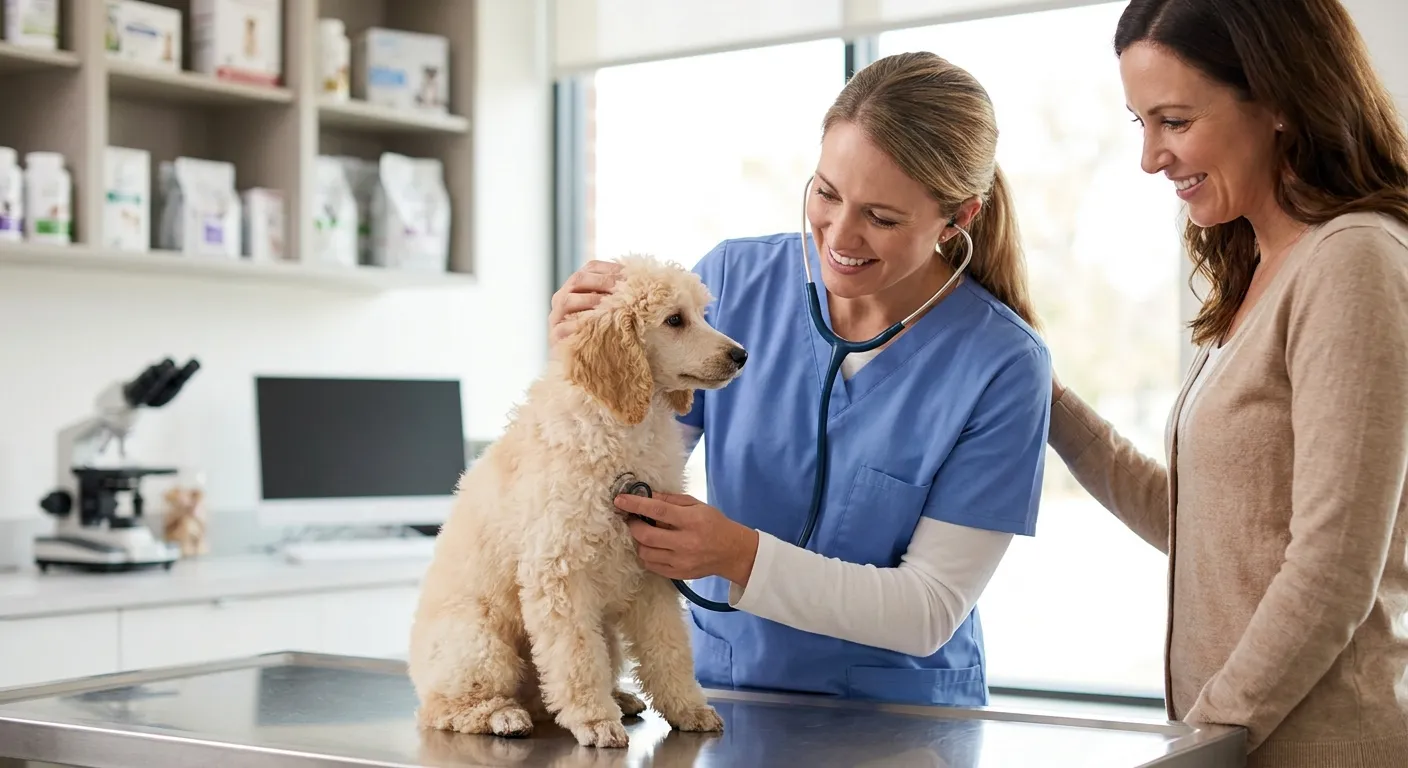
Your veterinarian will perform a head-to-tail check, including:
- Eyes and Ears: Checking for signs of infection, discharge, or structural issues.
- Mouth and Teeth: Assessing gum health and the development of puppy teeth. Early dental care is essential for poodles.
- Heart and Lungs: Listening for murmurs or abnormal breathing patterns.
- Abdomen: Palpating for any tenderness or abnormalities.
- Joints and Limbs: Evaluating mobility and checking for any signs of lameness or discomfort, which is especially important for detecting conditions like patellar luxation early.
- Coat and Skin: Looking for parasites, skin irritations, or unusual lumps. Poodles have unique grooming needs, so a healthy coat is a good sign.
- Weight and Body Condition: Measuring your puppy’s weight and assessing their overall body condition score to ensure healthy growth.
This detailed examination forms the basis of your puppy’s health record. Furthermore, it helps your vet identify any potential issues early on. Therefore, it is a crucial component of the initial visit.
Vaccination Schedule and Parasite Control
Vaccinations are vital for protecting your poodle puppy from common and often deadly diseases. Your vet will outline a personalized vaccination schedule based on your puppy’s age, health, and local disease prevalence. Typically, this includes core vaccines for distemper, parvovirus, adenovirus, and rabies. Additionally, discussions will cover non-core vaccines like kennel cough or leptospirosis, depending on your puppy’s lifestyle. Similarly, parasite control is a significant part of preventative care. Your vet will recommend appropriate deworming treatments and flea/tick prevention, which are crucial for young puppies. They might also test a stool sample for internal parasites. For more information on keeping your poodle healthy, explore our Health & Wellness section.
Nutrition and Feeding Guidelines
Proper nutrition is fundamental for your puppy’s growth and development. Your veterinarian will discuss appropriate puppy food choices, feeding schedules, and portion sizes tailored to your poodle’s specific needs. They can also advise on managing treats and avoiding common feeding mistakes. Remember, a balanced diet supports a strong immune system and healthy energy levels. Poodles thrive on high-quality nutrition. Consider browsing our Food, Treats & Feeding Gear for recommended products.
Training and Socialization Advice
While not strictly medical, training and socialization are critical for your puppy’s well-being. Your vet can offer guidance on house-training, basic obedience, and safe socialization practices to help your poodle puppy grow into a well-adjusted adult. They may also recommend local puppy classes or trainers. Early positive experiences are key to preventing behavioral problems later on. A well-behaved poodle is a happy poodle.
Spaying/Neutering Discussions
Your poodle puppy first vet visit is an excellent time to discuss the benefits and timing of spaying or neutering. Your vet will explain the health and behavioral advantages, as well as any potential risks, helping you make an informed decision for your pet. This conversation is an important part of responsible pet ownership. Many factors, including breed size and individual development, influence the optimal timing.
Microchipping
Microchipping provides a permanent form of identification, vastly increasing the chances of your poodle puppy being returned to you if they ever get lost. Your vet can perform this simple procedure during the initial visit, or during a follow-up. It’s a quick and relatively painless process that offers invaluable peace of mind. In fact, many pet parents consider it an essential safety measure.
Preparing for Your Poodle Puppy First Vet Visit
A little preparation can make your poodle puppy’s first vet visit much smoother for everyone involved. Being ready helps both you and your puppy feel more at ease. This proactive approach sets a positive tone for future appointments.
Gather Essential Documents and Information
Before your appointment, collect any health records you received from the breeder or shelter. This includes vaccination history, deworming dates, and information about the puppy’s parents if available. Prepare a list of questions or concerns you have about your puppy’s health, behavior, or care. Moreover, know the brand of food and treats your puppy is currently eating.
Bring a Stool Sample
Your vet will likely want to check for internal parasites. Bringing a fresh stool sample (within 12-24 hours) from your puppy can save time during the appointment. Use a clean container or bag for this purpose. This simple step aids in thorough diagnostic work.
Limit Food Before the Visit
While not always necessary, some vets recommend withholding food a few hours before the appointment, especially if blood tests or sedation might be considered. Always confirm this with your veterinary office beforehand. However, fresh water should always be available.
Make the Carrier a Positive Place
Acclimate your poodle puppy to their carrier or crate before the vet visit. Place treats, toys, or a cozy blanket inside to create a positive association. This can reduce stress during travel and at the clinic. Similarly, a comfortable carrier makes the journey less intimidating.
Practice Handling Your Puppy
Regularly handle your puppy’s paws, ears, mouth, and tail at home. This makes them more comfortable with being examined by the vet. Reward them with praise and treats during these sessions. Positive reinforcement is key to good experiences.
Keep the Visit Positive
Use a calm and reassuring tone with your puppy. Bring their favorite toy or some high-value treats to distract and reward them during the visit. A positive experience at this early stage helps prevent future fear or anxiety about vet visits. Consequently, future trips will be less stressful.
Understanding the Importance of Regular Check-ups
Your poodle puppy first vet visit is just the beginning. Regular veterinary check-ups throughout your poodle’s life are crucial for maintaining optimal health. These routine visits allow your vet to monitor your poodle’s growth, update vaccinations, perform preventative screenings, and address any emerging health concerns promptly. For instance, annual wellness exams can catch issues like dental disease or early signs of arthritis before they become severe. This commitment to ongoing care reflects your dedication to your poodle’s well-being. According to the American Veterinary Medical Association (AVMA), regular veterinary care is vital for pet health. Furthermore, consistent care ensures your poodle lives a long, happy life.
Beyond the Clinic: Holistic Poodle Care
While vet visits are essential, a holistic approach to your poodle’s health involves daily care at home. This includes providing a balanced diet, ensuring regular exercise, maintaining a consistent grooming routine, and offering plenty of mental stimulation. Poodles are intelligent and active dogs, so they thrive with engagement. You can find excellent resources on Grooming & Coat Care to keep their beautiful coats healthy. Additionally, explore our Toys & Enrichment section for ideas to keep their minds sharp and bodies active. Remember, a happy poodle is a well-cared-for poodle, both inside and out.
Choosing the Right Veterinarian
Finding a veterinarian you trust and feel comfortable with is a critical part of your poodle’s health journey. Look for a clinic that is clean, well-organized, and has a friendly, knowledgeable staff. Consider factors like location, office hours, emergency services, and whether they have experience with poodles or breed-specific concerns. Don’t hesitate to interview a few vets before making your final choice. A good veterinarian becomes a valued partner in your pet’s life. This decision significantly impacts your peace of mind.
Conclusion
The poodle puppy first vet visit is more than just an appointment; it’s a foundational step in ensuring a long, healthy, and joyful life for your new companion. By understanding what to expect and preparing accordingly, you’re setting the stage for a lifetime of proactive care and a strong partnership with your veterinarian. This initial investment in their health pays dividends in peace of mind and shared happiness. Remember, early prevention and consistent care are the keys to a thriving poodle. We hope this guide helps you navigate your poodle puppy’s first vet visit with confidence and ease.
Frequently Asked Questions About Your Poodle Puppy’s Initial Vet Appointment
What is the ideal age for a puppy’s first check-up?
Most veterinarians recommend scheduling your poodle puppy’s first check-up as soon as possible after bringing them home, ideally between 6 to 8 weeks of age. This allows the vet to assess their initial health, start vaccinations, and establish a baseline. Early intervention is always best for young puppies.
How often will my poodle puppy need vet visits initially?
Typically, puppies require a series of vet visits every 3-4 weeks until they are about 16 weeks old. These appointments are crucial for completing their vaccination series, deworming, and monitoring their growth and development. After this initial series, annual wellness exams are generally recommended.
What should I bring to my puppy’s first veterinary visit?
Bring any health records from the breeder or shelter, a fresh stool sample, a list of questions, and your puppy on a leash or in a secure carrier. High-value treats and a favorite toy can also help make the experience more positive for your young poodle.
Will my puppy get shots during their first vet appointment?
Yes, it is very likely your puppy will receive their first set of vaccinations during this initial visit. Your veterinarian will discuss the appropriate vaccine schedule based on your puppy’s age and health history. They will also likely administer deworming medication.
How can I make my young poodle’s vet visit less stressful?
Acclimate your puppy to their carrier beforehand, handle them frequently at home, and bring treats and toys to the clinic. Maintain a calm demeanor yourself, as puppies can pick up on your anxiety. Positive reinforcement during and after the appointment can create good associations for future visits.