Often overlooked, Poodle dental health is a fundamental component of their overall well-being. Just like humans, Poodles can suffer from dental diseases such as gingivitis and periodontal disease. These conditions can lead to pain, tooth loss, and even systemic health issues if left untreated. Prioritizing oral hygiene can significantly contribute to your Poodle’s comfort, health, and longevity. Therefore, understanding and implementing proper dental care is vital for every Poodle parent.
The Impact of Poor Poodle Oral Health
Dental disease in Poodles often begins with plaque buildup. This soft film hardens into tartar. Subsequently, this leads to inflammation of the gums, known as gingivitis. If not addressed, it progresses to periodontal disease. In this advanced stage, the infection spreads below the gum line, damaging the bone and tissues supporting the teeth. Consequently, symptoms often include bad breath, difficulty eating, and pawing at the mouth. You might also notice swollen gums or loose teeth. Moreover, beyond the mouth, bacteria from severe dental infections can enter the bloodstream. This can affect vital organs like the heart, kidneys, and liver, potentially shortening your Poodle’s lifespan. Studies indicate that a significant percentage of dogs over the age of three show signs of dental disease, making proactive care essential from an early age. For instance, the American Veterinary Medical Association provides extensive information on the systemic effects of poor oral hygiene in pets.
Effective Strategies for Maintaining Poodle Dental Health
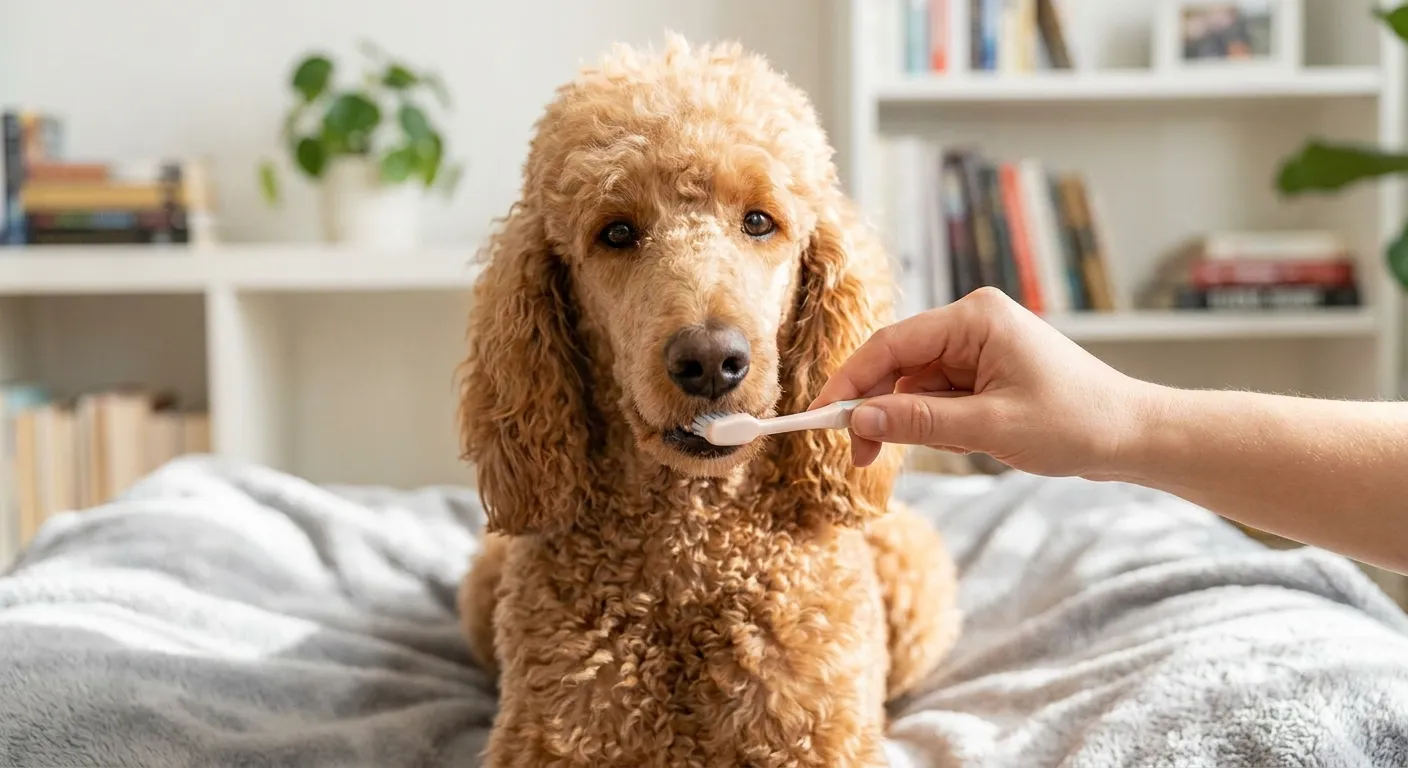
Maintaining good Poodle dental health involves a multi-faceted approach. The gold standard is daily tooth brushing with a vet-approved dog toothpaste and a soft-bristled brush. Start slowly, making it a positive experience with treats and praise. Indeed, consistency is key for success. Dental chews and toys, specifically designed to help reduce plaque and tartar, can be beneficial. However, they should not replace brushing. Water additives and specialized dental diets are also available. These can complement your routine. Regular professional dental cleanings by your veterinarian are crucial. These often require anesthesia to allow for thorough scaling above and below the gum line, polishing, and full oral examinations, including X-rays. This helps assess the health of the tooth roots and jawbone. Your vet can recommend how often these cleanings are necessary based on your Poodle’s individual needs and the severity of any existing dental disease. Therefore, regular check-ups are essential.
Preventative Measures for Your Poodle’s Teeth
Preventative care is paramount when it comes to your Poodle’s teeth. Establishing a routine early in your Poodle’s life can make a significant difference. For example, introduce tooth brushing gradually, allowing your puppy to get accustomed to the brush and toothpaste. Choose dental products specifically formulated for dogs; human toothpaste can be toxic. Furthermore, provide appropriate chew toys that are durable yet gentle on their teeth. Avoid extremely hard toys, like antlers or bones, which can cause fractures. Consider discussing fluoride treatments or sealants with your veterinarian, especially if your Poodle is prone to plaque buildup. These professional interventions can offer an extra layer of protection against decay. Ultimately, a proactive approach minimizes the risk of painful and costly dental issues down the line.
Recognizing Signs of Dental Disease in Poodles
As a responsible Poodle parent, recognizing the early signs of dental disease is crucial. Bad breath, often referred to as halitosis, is one of the most common indicators. While some doggy breath is normal, a strong, foul odor usually signals an underlying problem. Other symptoms include red, swollen, or bleeding gums, especially when touched or during brushing. You might also observe excessive drooling or a reluctance to eat, particularly hard kibble or treats. Your Poodle might paw at their mouth or show sensitivity around their face. Changes in behavior, such as irritability or lethargy, can also be subtle signs of pain. If you notice any of these symptoms, it is important to schedule a veterinary visit promptly. Early detection and intervention can prevent further progression of the disease and alleviate your Poodle’s discomfort. For more detailed information on canine dental disease symptoms, consult resources like the American Kennel Club.
The Role of Nutrition in Poodle Oral Hygiene
Diet plays a significant role in maintaining good Poodle dental health. Certain kibbles are specifically designed to help clean teeth as your Poodle chews. These dental diets often have a unique texture and larger kibble size, which encourages mechanical scrubbing of the tooth surfaces. Additionally, some formulations contain ingredients that help reduce plaque and tartar formation. Discuss with your veterinarian whether a specialized dental diet is appropriate for your Poodle. While commercial dental treats can be beneficial, always choose those approved by veterinary oral health organizations. Look for the VOHC (Veterinary Oral Health Council) seal of acceptance. This ensures the product has been proven to reduce plaque and/or tartar. Remember, a balanced diet supports overall health, which in turn contributes to a stronger immune system capable of fighting off oral infections.
Professional Dental Cleanings for Your Poodle
Professional dental cleanings are an indispensable part of comprehensive Poodle dental care. During these procedures, performed under general anesthesia, your veterinarian can thoroughly examine your Poodle’s mouth. They will scale away plaque and tartar from above and below the gum line, a process impossible to do effectively on an awake animal. Polishing the teeth follows, smoothing the enamel to deter future plaque accumulation. Furthermore, dental X-rays are often taken. These radiographs reveal issues hidden beneath the gum line, such as abscesses, bone loss, or unerupted teeth. These problems would otherwise go unnoticed during a conscious oral exam. Your veterinarian will assess your Poodle’s overall health before anesthesia to ensure their safety. Following the cleaning, they will provide detailed aftercare instructions and a recommended schedule for future cleanings. The frequency depends on your Poodle’s breed, age, and individual predisposition to dental disease. For many Poodles, annual or bi-annual cleanings are recommended to maintain optimal oral hygiene.
Addressing Advanced Dental Problems in Poodles
In cases of advanced dental disease, more extensive interventions may be necessary to restore your Poodle’s oral health. This can include tooth extractions for severely diseased or fractured teeth. While extractions might sound daunting, removing a painful, infected tooth can provide immense relief and improve your Poodle’s quality of life. Root canal therapy might be an option for certain teeth to save them from extraction, particularly important for larger, strategic teeth. Periodontal surgery may also be performed to address deep pockets of infection or to regenerate lost bone and gum tissue. These procedures are complex and require a skilled veterinary dentist. Following any advanced treatment, diligent home care becomes even more critical to prevent recurrence. Your veterinarian will work with you to develop a comprehensive post-treatment plan. This ensures your Poodle maintains excellent long-term dental health. Early detection through regular veterinary check-ups can often prevent the need for such extensive procedures.
Conclusion: Prioritizing Your Poodle’s Oral Health
Ultimately, prioritizing your Poodle’s oral health is not just about a bright smile; it’s about their overall comfort, well-being, and longevity. From daily brushing and dental chews to specialized diets and regular professional cleanings, a consistent and comprehensive approach is key. By understanding the impact of poor oral hygiene, recognizing early signs of disease, and implementing effective preventative and treatment strategies, you can ensure your beloved Poodle enjoys a healthy, happy life free from dental pain. Remember, a healthy mouth contributes significantly to a healthy Poodle. Therefore, make Poodle dental health a priority in your pet care routine.
FAQ: What are the best ways to care for my Poodle’s teeth at home?
The best at-home care involves daily tooth brushing with a dog-specific toothpaste and brush. Additionally, incorporating vet-approved dental chews and potentially water additives can further support oral hygiene.
FAQ: How often should my Poodle have a professional dental cleaning?
The frequency of professional dental cleanings depends on your Poodle’s individual needs, age, and predisposition to dental disease. Your veterinarian will recommend a schedule, often annually or every two years, after a thorough examination.
FAQ: What are the common signs of gum disease in Poodles?
Common signs of gum disease in Poodles include bad breath, red or swollen gums, bleeding from the gums, difficulty eating, excessive drooling, and pawing at the mouth. Consult your vet if you notice these symptoms.
FAQ: Can diet impact my Poodle’s oral hygiene?
Yes, diet can significantly impact your Poodle’s oral hygiene. Specialized dental diets and VOHC-approved dental treats are designed to help reduce plaque and tartar buildup through mechanical action and specific ingredients.
FAQ: Is anesthesia safe for my Poodle during dental procedures?
Veterinarians take extensive precautions to ensure the safety of anesthesia for Poodles during dental procedures. This includes pre-anesthetic blood work, tailored anesthetic protocols, and continuous monitoring throughout the procedure. Your vet will discuss any risks with you.