
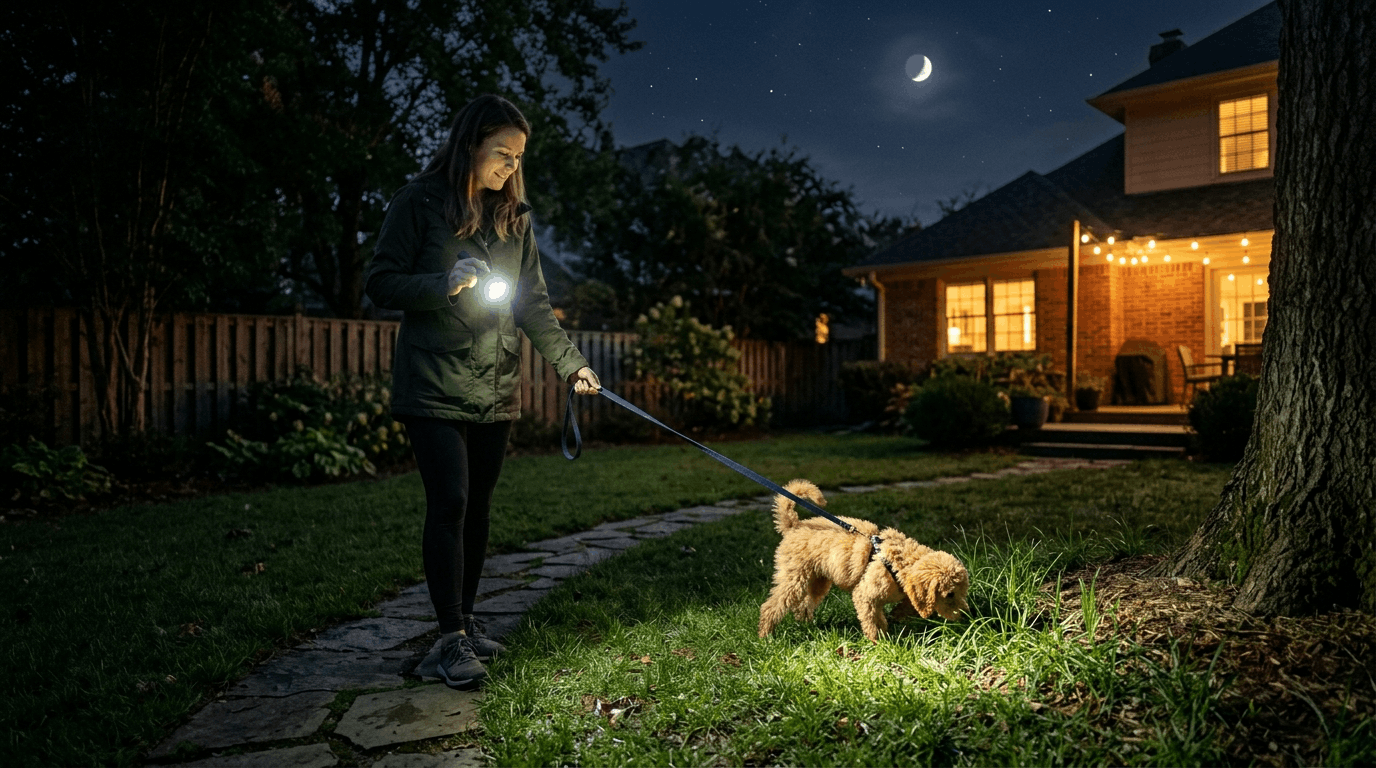
Bringing home a Poodle puppy is exciting, but nighttime potty training can quickly become one of the most exhausting parts of early puppy care. Interrupted sleep, unexpected accidents, whining, and confusion often leave owners feeling overwhelmed during the first few weeks. Fortunately, the right nighttime potty training tips can help puppies develop healthy habits while making evenings calmer and more predictable for everyone involved.
Poodle puppies are intelligent and capable learners, yet they still require patience, structure, and realistic expectations. Young puppies simply cannot hold their bladder all night during early development. Consequently, successful nighttime training focuses on prevention, consistency, and routine rather than punishment or unrealistic demands.
The best nighttime potty training tips help owners recognize patterns, respond consistently, and gradually teach puppies where and when bathroom breaks should happen. Establishing healthy habits early often prevents long-term house training struggles later.
Poodles also thrive on routine and emotional security. Predictable schedules help puppies feel calmer while reducing anxiety during overnight transitions.
Most importantly, owners should remember that nighttime accidents are normal during early puppyhood. Progress usually happens gradually through repetition and positive reinforcement.
Why Nighttime Training Feels Challenging
Nighttime potty training often feels more difficult because puppies experience limited bladder control while adjusting to completely new surroundings simultaneously.
Many owners search for nighttime potty training tips because young puppies naturally wake several times overnight needing bathroom access. Additionally, separation from littermates and unfamiliar environments may increase whining or restlessness during the first few nights.
Toy and Miniature Poodles sometimes require even more frequent nighttime breaks because smaller dogs have smaller bladders and faster metabolisms.
Excitement, stress, and inconsistent schedules may also increase nighttime accidents temporarily. Puppies often struggle to communicate clearly during early training stages, especially while adapting emotionally to a new home.
Fortunately, Poodles usually learn routines quickly once owners provide consistency and patience regularly.
Establishing a Predictable Evening Routine
Consistency plays one of the biggest roles in successful house training. Therefore, structured evenings form the foundation of effective nighttime potty training tips for Poodle puppies.
Puppies benefit greatly from predictable feeding, play, potty, and bedtime schedules. Consistent timing helps regulate digestion and bladder activity while reducing confusion.
Owners should avoid intense play sessions immediately before bed because overstimulation may increase nighttime restlessness. Instead, calm evening activities usually support smoother bedtime transitions.
Taking puppies outside shortly before bedtime also helps reduce overnight accidents significantly. Owners should remain patient during this final bathroom trip and allow enough time for complete elimination.
Regular schedules help puppies anticipate what happens next. Consequently, nighttime anxiety often decreases when routines remain calm and predictable.
Using Crate Training Correctly
Crate training remains one of the most effective nighttime potty training tips when introduced properly and positively. Dogs naturally avoid soiling sleeping spaces, which encourages stronger bladder awareness gradually.
The crate should feel safe and comfortable rather than punitive. Soft bedding, calm placement, and positive associations all help puppies relax more easily overnight.
However, crate size matters greatly. Excessively large crates may allow puppies to sleep in one area while eliminating in another corner. Therefore, properly sized crates often improve training success significantly.
Owners should introduce the crate gradually during daytime hours before expecting overnight comfort immediately.
Poodles usually adapt well to crate routines because they enjoy security and structure when handled gently and consistently.
Managing Overnight Potty Breaks
Most young puppies require at least one or two overnight potty breaks during early development. Therefore, owners should prepare for temporary nighttime interruptions realistically.
Among the most useful nighttime potty training tips is learning to keep overnight bathroom trips calm and boring. Owners should avoid turning potty breaks into exciting play sessions or attention opportunities.
Quietly carrying or guiding puppies outside helps reinforce that nighttime outings are strictly for bathroom purposes. Once the puppy eliminates, owners should calmly return indoors immediately afterward.
Bright lights, loud talking, or active interaction may overstimulate puppies and make settling back down more difficult.
Consistency matters greatly here as well. Puppies learn faster when owners respond similarly every night.
Recognizing Nighttime Potty Signals
Puppies often communicate bathroom needs subtly before accidents occur. Understanding these signals helps owners respond proactively rather than reactively.
Helpful nighttime potty training tips include learning to recognize whining, circling, restlessness, sniffing, or sudden waking patterns that may indicate bathroom urgency.
Some puppies scratch lightly at crate doors or shift position repeatedly before needing to go outside. Others become vocal only moments before accidents occur.
Owners should avoid assuming all whining relates to potty needs immediately. Puppies sometimes vocalize because of loneliness, boredom, or adjustment stress instead.
However, ignoring genuine bathroom signals too long may increase accidents and confusion during training.
Observation and routine gradually help owners distinguish between emotional whining and actual potty urgency more accurately.
Limiting Food and Water Before Bed
Feeding schedules strongly influence nighttime bathroom patterns. Therefore, many nighttime potty training tips focus on managing evening food and water intake carefully.
Most puppies benefit from finishing dinner several hours before bedtime whenever possible. Earlier feeding allows more time for digestion and elimination before sleeping.
Owners should still provide access to fresh water throughout the day consistently. However, moderate evening water management sometimes reduces overnight accidents slightly.
Excessive water restriction should never occur because hydration remains essential for healthy development. Instead, owners should simply avoid encouraging heavy drinking immediately before bedtime.
Puppies also usually need outdoor bathroom breaks shortly after meals and significant water intake.
Predictable feeding schedules often improve overall house training progress significantly because digestion patterns become easier to anticipate.
Handling Accidents Calmly
Accidents remain normal during puppyhood, especially overnight. Therefore, owners should respond calmly rather than emotionally when mistakes occur.
One of the most important nighttime potty training tips involves avoiding punishment completely. Yelling, scolding, or physical correction may create fear and confusion rather than faster learning.
Puppies do not intentionally disobey during accidents. Most simply lack physical bladder control or communication skills initially.
Owners should clean accidents thoroughly using enzymatic cleaners that remove lingering odor completely. Residual smells sometimes encourage repeated elimination in the same location.
Calm consistency works far better than frustration during the training process. Poodles especially respond poorly to harsh emotional reactions because of their sensitive personalities.
Helping Puppies Sleep Comfortably
Comfort influences nighttime success more than many owners realize. Puppies that feel cold, isolated, or anxious may wake more frequently overnight.
Effective nighttime potty training tips often include creating calm sleeping environments that encourage longer rest periods between potty breaks.
Crates placed near the owner’s bed sometimes help puppies feel safer during the adjustment phase. Familiar human presence may reduce stress-related whining significantly.
Soft blankets, safe chew toys, and predictable bedtime cues also support relaxation.
Some owners use white noise or soft calming music to reduce environmental stimulation overnight.
However, owners should avoid excessive attention for non-potty whining because puppies may accidentally learn to expect interaction whenever they vocalize.
Building Bladder Control Gradually
Young puppies physically develop bladder control over time rather than instantly. Therefore, realistic expectations remain extremely important during nighttime training.
Helpful nighttime potty training tips include understanding typical puppy development timelines. Most young puppies can hold their bladder approximately one hour per month of age overnight, although individual variation exists.
For example, an eight-week-old puppy may only manage two to three hours comfortably before needing bathroom access.
Owners should gradually extend overnight intervals rather than expecting immediate full-night success.
As puppies mature physically and emotionally, nighttime accidents usually decrease naturally when routines remain consistent.
Patience becomes especially important during developmental stages because progress often occurs unevenly.
Why Positive Reinforcement Works Best
Positive reinforcement creates stronger learning associations than punishment or frustration. Poodles especially respond extremely well to reward-based training methods.
The best nighttime potty training tips encourage owners to praise and reward successful outdoor elimination consistently.
Calm verbal praise, gentle affection, or small treats help puppies connect outdoor potty behavior with positive outcomes.
Rewards should happen immediately after elimination whenever possible because timing influences learning greatly.
Owners should also remain emotionally neutral during accidents while becoming noticeably encouraging during successes.
This clear contrast helps puppies understand desired behaviors much more effectively.
Common Mistakes Owners Should Avoid
Many owners unintentionally slow progress by making common training mistakes. Understanding these patterns helps improve consistency and reduce confusion.
One major issue involves inconsistent schedules. Puppies learn faster when feeding, sleeping, and potty routines remain predictable daily.
Another common mistake includes giving puppies excessive freedom too early. Gradual supervision often prevents accidents while supporting better habit formation.
Some owners also expect progress too quickly. Effective nighttime potty training tips emphasize patience because physical development still influences success heavily.
Ignoring subtle potty signals may also create setbacks. Puppies often communicate quietly before accidents happen.
Finally, harsh punishment frequently increases anxiety while damaging trust instead of improving understanding.
Creating Long-Term Potty Training Success
Nighttime training eventually becomes easier as puppies mature and routines strengthen. Most Poodles develop reliable overnight habits with consistent structure, patience, and positive reinforcement.
The most effective nighttime potty training tips focus on gradual progress rather than perfection. Puppies learn through repetition, emotional security, and predictable routines over time.
Owners should celebrate small improvements instead of focusing only on setbacks. Longer sleep stretches, fewer accidents, and improved communication all represent meaningful progress.
As bladder control develops, puppies usually begin sleeping through the night more consistently. Most importantly, calm and supportive training creates stronger trust and confidence throughout the learning process.
Poodles are highly intelligent dogs that generally adapt quickly when owners remain patient and consistent. With structured routines, realistic expectations, and positive reinforcement, nighttime potty training eventually becomes far less stressful for both puppies and owners alike.
FAQ
1. How often do young Poodle puppies need nighttime potty breaks?
Most young puppies need one or two overnight bathroom trips depending on age, size, and bladder development.
2. Should puppies sleep in crates during potty training?
Crate training often supports faster house training because dogs naturally avoid soiling sleeping areas.
3. Why does my puppy whine at night after going potty?
Whining may result from adjustment stress, loneliness, discomfort, or attention-seeking rather than bathroom urgency alone.
4. At what age do puppies usually sleep through the night?
Many puppies begin sleeping longer stretches around four to six months, although development varies individually.
5. Is punishment effective for nighttime accidents?
No, punishment often increases anxiety and confusion instead of improving potty training success.