Pollen allergies poodle infections are more common than many owners realize, especially during seasonal changes when allergens are at their peak. While most people associate pollen with sneezing and itchy eyes, dogs—particularly poodles—often experience allergic reactions through their skin and ears. Because of their unique ear structure and coat type, poodles can be especially vulnerable to developing ear infections when exposed to pollen, making it essential to understand how this process works and what you can do to prevent it.
As spring and summer arrive, airborne pollen from grasses, trees, and weeds increases significantly. Consequently, poodles that are sensitive to these allergens begin to show subtle symptoms at first, which can quickly escalate if left untreated. Understanding the connection between allergies and ear infections allows you to act early and keep your dog comfortable and healthy.
Why Poodles Are Prone To Ear Problems
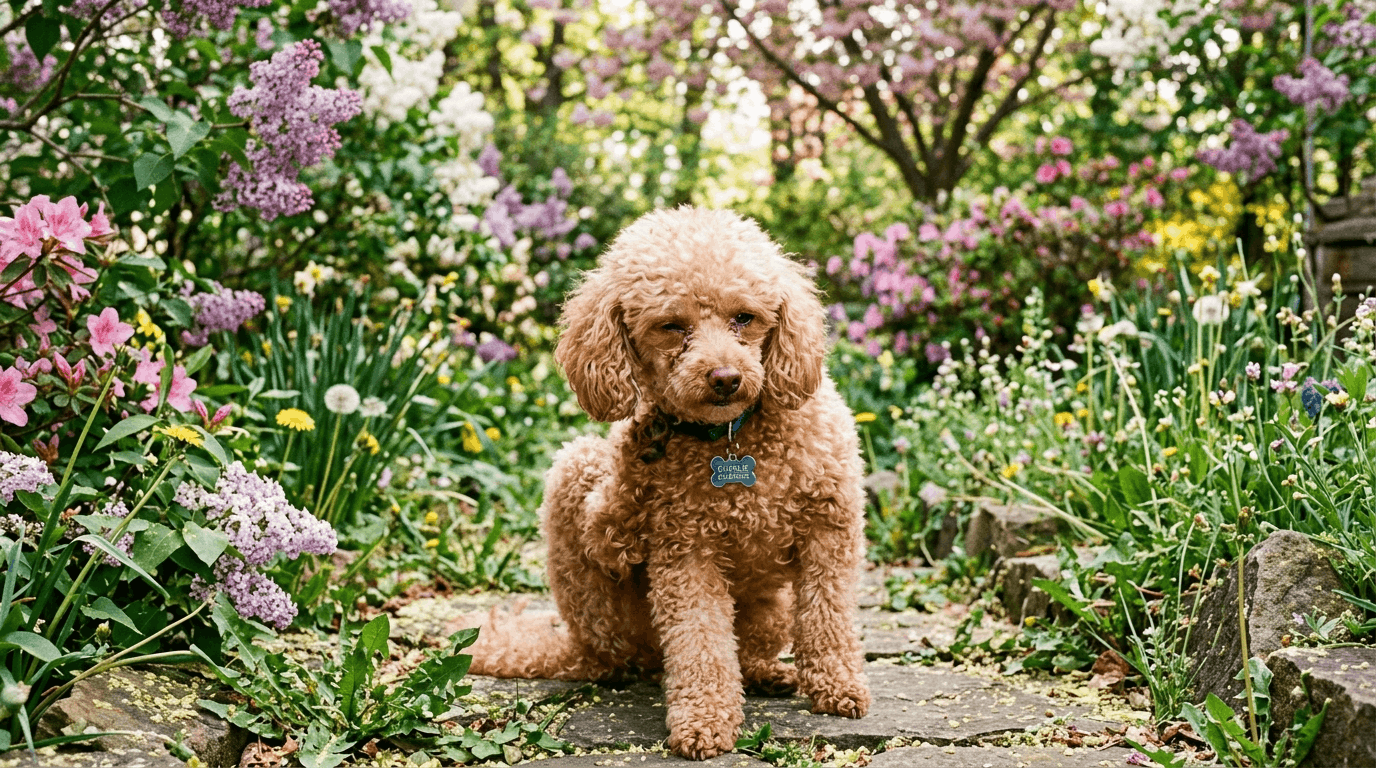
Poodles are known for their intelligence and hypoallergenic coats, yet their physical traits also make them more susceptible to ear issues. Their ears are long, floppy, and lined with dense hair, which creates a warm and moist environment. As a result, this setting becomes ideal for bacteria and yeast to thrive when irritation occurs.
When pollen particles settle on your dog’s skin and coat, they can easily make their way into the ear canal. Over time, this exposure triggers inflammation, which disrupts the natural balance inside the ear. Because airflow is limited in a poodle’s ears, moisture and debris tend to accumulate, further increasing the risk of infection.
Additionally, poodles often produce more wax when their ears are irritated. This wax buildup traps allergens and microorganisms, creating a cycle that leads to worsening symptoms. Therefore, even a mild allergic reaction can quickly develop into a painful ear infection if not managed properly.
How Pollen Allergies Lead To Ear Infections
The link between pollen allergies poodle infections lies in the body’s immune response. When a poodle inhales or comes into contact with pollen, the immune system mistakenly identifies it as a threat. Consequently, the body releases histamines, which cause inflammation and itching.
This reaction doesn’t just affect the skin. Instead, it also impacts the ears, where inflammation causes swelling in the ear canal. As the canal narrows, airflow decreases, and moisture becomes trapped. This creates the perfect environment for bacteria and yeast to multiply.
Moreover, itchy ears often lead to scratching and head shaking. While this may seem harmless at first, it actually damages the delicate lining of the ear canal. Small abrasions allow bacteria to enter more easily, accelerating the development of infection.
Over time, untreated allergies can cause chronic inflammation. This not only increases the frequency of infections but can also lead to long-term changes in the ear structure. Therefore, addressing pollen allergies early is key to preventing recurring issues.
Common Signs You Should Never Ignore
Recognizing the symptoms of pollen allergies poodle infections early can make a significant difference in your dog’s comfort and recovery. Although some signs may appear mild initially, they often worsen quickly if left untreated.
You might notice your poodle scratching its ears more frequently than usual. In addition, head shaking is another common sign that something isn’t right. These behaviors often indicate irritation caused by allergens or early infection.
A strong or unusual odor coming from the ears is another warning sign. This smell typically results from bacterial or yeast growth, which thrives in inflamed ears. Similarly, redness, swelling, or discharge should never be ignored, as they point to an active infection.
In some cases, your dog may become more sensitive around the head or ears. This discomfort can lead to changes in behavior, such as irritability or reluctance to be touched. Therefore, paying close attention to these subtle changes helps you catch problems before they escalate.
Seasonal Patterns And Allergy Triggers
Pollen allergies poodle infections often follow a seasonal pattern, which makes them somewhat predictable. During spring, tree pollen levels rise, while summer brings grass pollen. In the fall, weed pollen becomes the primary trigger.
Because these allergens are airborne, your dog doesn’t need direct contact to be affected. Simply walking outside or lying on grass can expose your poodle to pollen. As a result, symptoms may appear shortly after outdoor activities.
Humidity also plays a role in worsening ear conditions. Warm and moist environments encourage bacterial growth, which can turn mild irritation into a full-blown infection. Therefore, seasonal changes combined with environmental factors create the perfect storm for ear problems.
Understanding these patterns allows you to take preventive steps during high-risk periods. For instance, limiting outdoor exposure during peak pollen times can reduce your dog’s overall allergen load.
Preventing Ear Infections Before They Start
Preventing pollen allergies poodle infections requires a proactive approach that focuses on reducing allergen exposure and maintaining ear health. Although you cannot eliminate pollen entirely, you can significantly minimize its impact.
- Wipe your dog’s paws and coat after outdoor walks to remove pollen before it spreads.
- Regularly clean your poodle’s ears using a vet-approved solution to prevent buildup.
- Keep the ear area dry, especially after bathing or swimming.
- Maintain regular grooming to reduce excess hair inside the ear canal.
- Use air purifiers indoors to lower pollen levels in your home.
These simple habits can make a noticeable difference in your dog’s overall health. Moreover, consistency is key, as skipping routines during allergy season can quickly lead to flare-ups.
Treatment Options That Actually Work
When pollen allergies poodle infections develop, early treatment is essential to prevent complications. The first step typically involves addressing the underlying allergy. Veterinarians may recommend antihistamines or other medications to reduce inflammation and itching.
In addition, ear infections often require topical treatments. These medications usually contain antibiotics or antifungal agents, depending on the cause of the infection. Applying them as directed helps eliminate harmful microorganisms and restore balance inside the ear.
For more severe cases, oral medications may be necessary. These treatments work systemically to control both the infection and the allergic response. However, they should always be used under veterinary guidance.
Cleaning the ears properly is also a crucial part of treatment. Removing debris and excess wax allows medications to work more effectively. Therefore, combining medical treatment with proper hygiene ensures faster recovery.
Long-Term Management For Allergy-Prone Poodles
Managing pollen allergies poodle infections over the long term involves a combination of prevention, monitoring, and lifestyle adjustments. Because allergies cannot be cured, ongoing care is essential to keep symptoms under control.
Regular veterinary check-ups help track your dog’s condition and adjust treatments as needed. In some cases, allergy testing may be recommended to identify specific triggers. This information allows for more targeted management strategies.
Diet can also play a role in supporting your dog’s immune system. High-quality nutrition helps strengthen the body’s defenses, making it less reactive to allergens. Additionally, supplements like omega-3 fatty acids may reduce inflammation and improve skin health.
Consistency remains the most important factor. By maintaining a routine that includes grooming, cleaning, and monitoring, you can significantly reduce the risk of recurring infections. Over time, these habits become second nature and greatly improve your dog’s quality of life.
When To Seek Veterinary Help
Although some cases of pollen allergies poodle infections can be managed at home, there are times when professional care is necessary. If your dog’s symptoms persist despite treatment, it’s important to consult a veterinarian.
Severe swelling, intense pain, or hearing changes require immediate attention. These signs may indicate a deeper infection that needs specialized care. Additionally, repeated infections could signal an underlying issue that requires further investigation.
Early intervention not only prevents complications but also reduces the risk of chronic ear problems. Therefore, never hesitate to seek expert advice when something doesn’t seem right.
Conclusion
Pollen allergies poodle infections are a common yet manageable issue that every poodle owner should understand. While pollen exposure is unavoidable, its effects can be minimized with the right knowledge and consistent care. By recognizing early signs, maintaining proper hygiene, and taking preventive measures, you can protect your dog from discomfort and long-term complications. Ultimately, a proactive approach ensures that your poodle stays healthy, happy, and free from recurring ear problems throughout the year.
FAQ
1. What causes ear issues in poodles during allergy season?
Pollen exposure triggers inflammation, which creates conditions that allow bacteria and yeast to grow inside the ears.
2. How can I tell if my dog’s ear problem is allergy-related?
Look for seasonal patterns, itching, and repeated ear irritation that coincides with outdoor exposure.
3. Can grooming help reduce ear problems in poodles?
Yes, regular grooming removes excess hair and debris, improving airflow and reducing infection risk.
4. Are certain seasons worse for ear issues in dogs?
Yes, spring, summer, and fall often bring higher pollen levels, increasing the likelihood of ear irritation.
5. Should I clean my dog’s ears regularly during allergy season?
Yes, consistent ear cleaning helps remove allergens and prevents buildup that can lead to infections.