
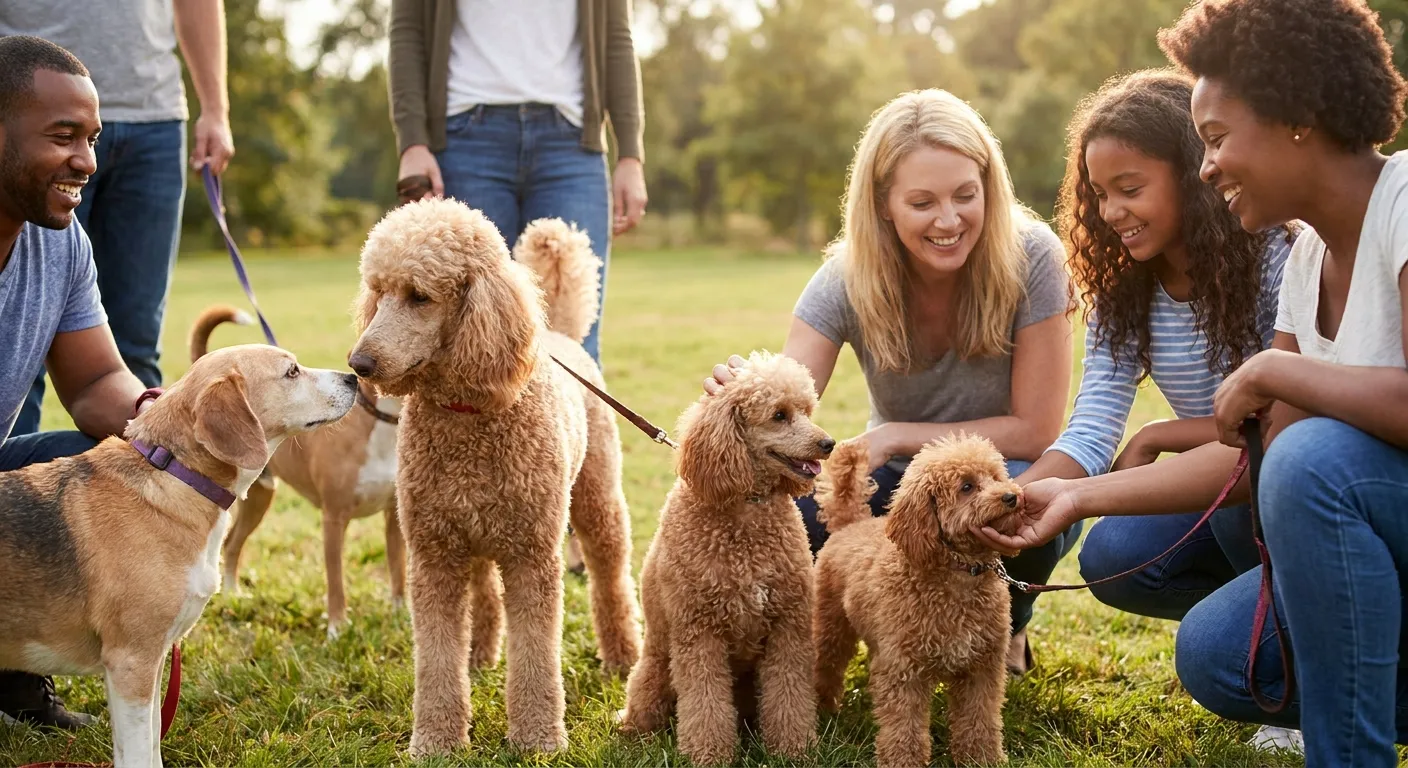
Socialization is a critical process for puppies and young dogs, laying the groundwork for a confident, well-adjusted adult. For Poodles, known for their intelligence and sometimes sensitive nature, effective Poodle socialization tips are essential to help them navigate the world with poise and comfort. A well-socialized Poodle is less likely to develop fears, aggression, or anxiety when encountering new people, places, or other animals. Consequently, early and consistent efforts in this area are paramount for their overall well-being.
The Importance of Early Poodle Socialization Tips
The prime socialization window for puppies is generally between 3 and 16 weeks of age. During this crucial period, your Poodle puppy forms lasting impressions about the world around them. Therefore, introducing them to a wide variety of positive experiences is incredibly beneficial. This includes different types of people, such as men, women, and children, as well as individuals wearing hats or glasses. Furthermore, exposing them to various sounds, like traffic, household noises, and even thunderstorms via recordings, helps them become accustomed to common environmental stimuli.
Moreover, allowing your puppy to experience different surfaces, such as grass, pavement, and carpet, contributes to their sensory development. It’s also vital to facilitate interactions with safe, vaccinated, and friendly dogs. Always keep these interactions positive and short, pairing new experiences with delicious treats and enthusiastic praise. In fact, positive reinforcement is key to building good associations. Avoid overwhelming your puppy; if they show signs of fear or discomfort, gently remove them from the situation and try again later with less intensity. Remember, the goal is positive exposure, not forced interaction.
Continuing Socialization Through Adolescence and Adulthood
Socialization is not a one-time event; it’s an ongoing process that extends throughout adolescence and into adulthood. Many owners find that their Poodle’s confidence continues to grow with consistent positive experiences. Regular visits to dog-friendly parks, local pet stores, or attending obedience classes provide consistent opportunities for positive exposure. These structured environments can be particularly helpful for reinforcing good behavior. Similarly, enrolling in advanced training classes can introduce new challenges and social situations, further enhancing your Poodle’s adaptability.
Consider taking your Poodle on car rides to different locations, allowing them to observe the world from a safe vantage point. Moreover, inviting friends and family over, especially those who understand how to interact calmly with dogs, can provide valuable home socialization. Always supervise interactions closely to ensure they remain positive for your Poodle. By continuing these efforts, you reinforce the positive foundations laid during puppyhood, helping your Poodle maintain their confidence and social skills.
Addressing Common Socialization Challenges
Some Poodles may be naturally more reserved or easily frightened than others. If your Poodle shows signs of fear or reactivity, it’s important to address it proactively. Instead of forcing interaction, create controlled environments where they can observe new stimuli from a safe distance, rewarding calm behavior. For example, if your Poodle is wary of strangers, have a friend stand a distance away and toss treats towards your Poodle while ignoring them. Gradually decrease the distance as your Poodle becomes more comfortable. This method, known as desensitization and counter-conditioning, is highly effective.
Group puppy classes led by certified professional dog trainers are excellent for structured socialization. They provide a safe and supervised environment for puppies to learn appropriate social cues from other dogs and people. Furthermore, these classes often offer valuable guidance to owners on how to continue socialization at home. If fear or aggression persists, consult with a professional dog behaviorist or trainer who can provide tailored guidance and help implement specific desensitization and counter-conditioning protocols. Never punish fear, as this can worsen the behavior and damage your bond with your Poodle. Instead, focus on building trust and positive associations.
Specific Poodle Socialization Tips for Different Environments
Poodles are highly intelligent and observant, making them quick learners when socialization is handled correctly. Here are some specific Poodle socialization tips for various situations:
- Introducing to Children: Always supervise interactions between your Poodle and children. Teach children how to interact gently and respectfully with dogs. Reward your Poodle for calm behavior around kids.
- Meeting Other Dogs: Ensure initial introductions are on neutral territory and on leash. Allow for sniffing and short, positive interactions. Avoid dog parks until you are confident in your Poodle’s social skills.
- New Places: Take your Poodle to various dog-friendly locations, such as pet stores, cafes with outdoor seating, and different walking trails. This helps them get used to new sights, sounds, and smells.
- Sounds and Objects: Expose your Poodle to everyday sounds like vacuum cleaners, doorbells, and even city traffic. Introduce new objects like umbrellas, bicycles, or strollers from a distance, rewarding curiosity and calm.
These targeted approaches ensure a well-rounded socialization experience for your Poodle, preparing them for a variety of real-world scenarios. Moreover, consistent positive reinforcement during these exposures strengthens their confidence.
The Role of Positive Reinforcement in Poodle Socialization
Positive reinforcement is the cornerstone of effective socialization. It involves rewarding desired behaviors, thereby making them more likely to occur in the future. For Poodles, who thrive on praise and connection with their owners, this approach is particularly effective. Whenever your Poodle calmly encounters a new person, sound, or object, immediately offer a high-value treat and verbal praise. This creates a positive association with the new experience. For instance, if your Poodle sees a bicycle and doesn’t bark, reward them instantly.
Conversely, avoid punishment or scolding if your Poodle shows fear or reactivity. Punishing fear can lead to your Poodle suppressing their natural warning signals, potentially escalating to more severe reactions later. It can also damage the bond of trust between you and your dog. Instead, gently remove them from the stressful situation and try again later with less intensity. The goal is to build confidence and trust, not to suppress natural instincts. Consistent positive reinforcement, therefore, is crucial for successful Poodle socialization tips.
Understanding Poodle Temperament and Socialization
Poodles are known for their intelligence, elegance, and often a keen sensitivity. This temperament means that while they are highly trainable, they can also be more prone to anxiety or shyness if not properly socialized. A Poodle’s sensitive nature means that negative experiences during the critical socialization window can have a lasting impact. Therefore, all introductions to new stimuli must be carefully managed to ensure they are positive and non-threatening.
Furthermore, their intelligence means they are quick to pick up on your emotions. If you are anxious during a socialization attempt, your Poodle may mirror that anxiety. Therefore, approaching socialization with a calm, confident, and positive attitude is vital. Understanding these aspects of Poodle temperament helps tailor socialization efforts to their specific needs, ensuring they develop into well-adjusted companions. It truly highlights the importance of thoughtful Poodle socialization tips.
Building Confidence Through Training and Play
Beyond direct exposure, engaging your Poodle in regular training and play sessions significantly contributes to their overall confidence and social skills. Obedience training, for example, not only teaches them commands but also strengthens your bond and establishes clear communication. A Poodle who understands what is expected of them feels more secure and is better equipped to handle new situations. Basic commands like
Further reading: More from Poodle Dogs World