Finding the best dog shampoos is essential if you want your pet’s coat to stay soft, clean, and healthy. While many products promise quick results, not all formulas support long-term skin health. Therefore, choosing the right option requires understanding your dog’s specific needs.
A healthy coat reflects overall wellness. When skin becomes dry or irritated, the fur often looks dull. However, with proper grooming and high-quality cleansing products, you can maintain shine and comfort year-round.
In this guide, you will learn how to select the best dog shampoos for different coat types, sensitivities, and conditions. More importantly, you will discover what ingredients to look for and which to avoid.
Why Choosing the Right Shampoo Matters
Your dog’s skin differs from human skin. It has a different pH balance and thinner protective layers. Because of that, human shampoos can cause dryness and irritation.
Using the best dog shampoos protects natural oils instead of stripping them away. These oils maintain coat softness and shield against environmental damage. When removed too aggressively, flaking and itching often follow.
Additionally, poor-quality formulas may contain harsh detergents. Over time, these chemicals weaken hair follicles and dull the coat. In contrast, gentle cleansers preserve both shine and skin health.
Regular grooming supports circulation. However, proper cleansing products enhance the results. Therefore, shampoo choice plays a larger role than many owners realize.
Understanding Your Dog’s Coat Type
Before selecting from the best dog shampoos, identify your dog’s coat structure. Different textures require different care approaches.
Short Coats
Short-haired breeds often shed consistently. Although grooming seems simple, buildup still occurs. Lightweight moisturizing formulas work best because they rinse easily.
Long Coats
Long-haired dogs tangle easily. Therefore, hydrating shampoos with natural conditioners reduce matting. Ingredients like aloe and oatmeal improve manageability.
Curly or Double Coats
Breeds with dense or curly fur require deeper cleansing. However, harsh stripping agents should be avoided. Instead, balanced cleansing formulas maintain volume while protecting skin.
When you match shampoo to coat type, results improve quickly. Consequently, brushing becomes easier and shedding decreases.
Key Ingredients That Promote Coat Health
Ingredient labels often feel overwhelming. However, understanding a few core components simplifies your choice.
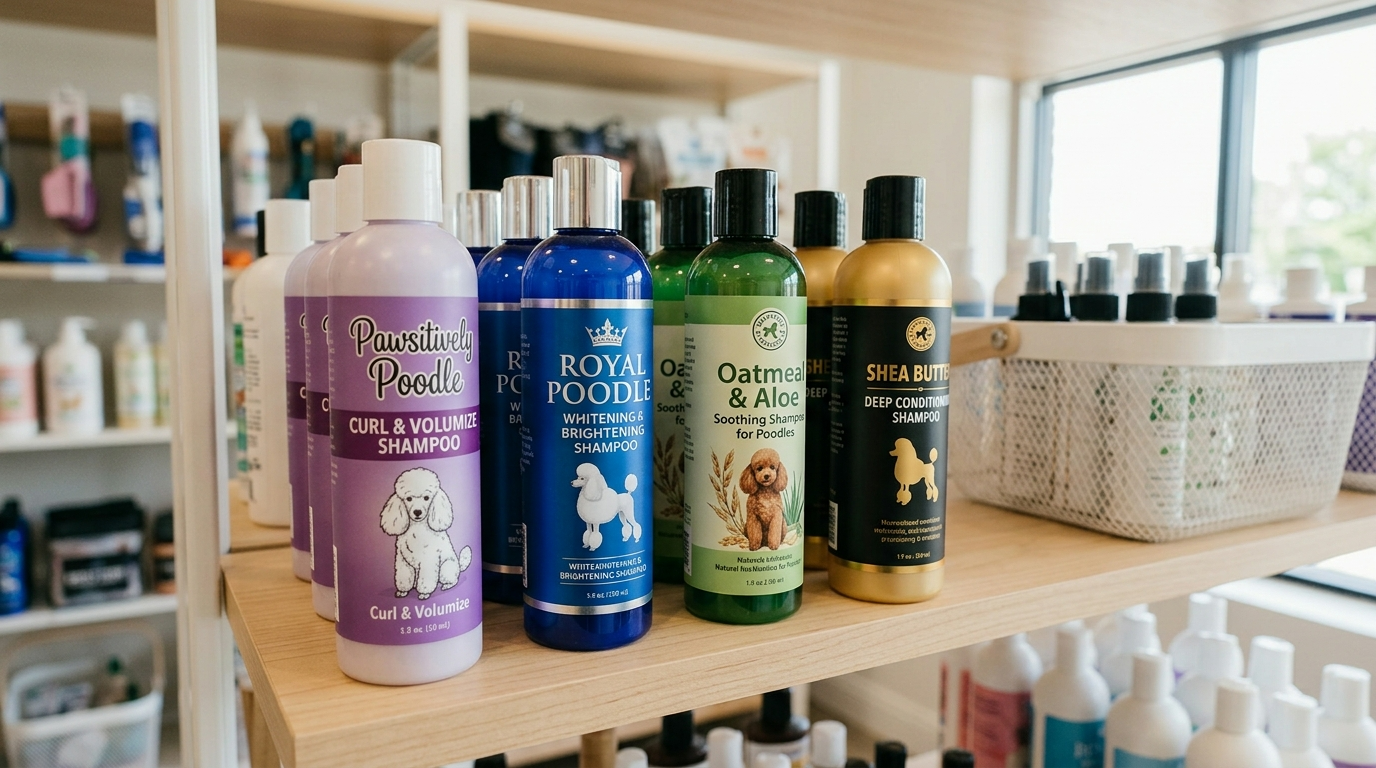
Oatmeal soothes itching and hydrates dry skin. Aloe vera calms irritation and supports healing. Coconut-based cleansers provide gentle lather without harsh stripping.
In the best dog shampoos, you will often find essential fatty acids. These nutrients strengthen hair follicles and reduce breakage. Additionally, vitamin E supports skin repair.
Avoid artificial dyes and strong fragrances. While they smell pleasant, they may irritate sensitive dogs. Paraben-free and sulfate-free formulas are generally safer choices.
Reading labels carefully protects your dog from unnecessary irritation. Over time, clean ingredients improve coat texture and reduce flaking.
Best Dog Shampoos for Sensitive Skin
Dogs with allergies or frequent itching require special attention. For them, the best dog shampoos contain minimal additives and soothing compounds.
Hypoallergenic formulas avoid common irritants. Colloidal oatmeal remains one of the most recommended ingredients. Because it forms a protective barrier, it locks in moisture.
Fragrance-free products reduce reaction risk. Moreover, limited-ingredient shampoos simplify troubleshooting if irritation occurs.
Bathing frequency also matters. Even gentle products can dry skin if overused. Therefore, washing every three to four weeks works well for most sensitive dogs.
If symptoms persist, consult a veterinarian. Chronic irritation sometimes signals food sensitivities or environmental allergies.
Solutions for Dry and Flaky Coats
Dryness often results from cold weather, indoor heating, or poor diet. However, switching to the best dog shampoos with moisturizing properties can make a noticeable difference.
Look for formulas enriched with shea butter or argan oil. These ingredients restore elasticity and improve shine. Additionally, omega-rich blends support long-term hydration.
Use lukewarm water during baths. Hot water strips natural oils quickly. After rinsing, towel dry gently instead of vigorous rubbing.
Follow-up conditioners may also help. While not always necessary, they improve manageability for long or curly coats.
Consistent grooming combined with nourishing products reduces flaking significantly. Within weeks, many owners notice softer fur and reduced scratching.
Best Dog Shampoos for Odor Control
Strong odors often stem from bacteria buildup. Therefore, deodorizing shampoos should cleanse deeply without over-drying.
Natural antibacterial ingredients like tea tree oil can help. However, concentrations must remain low and pet-safe. Always follow dilution guidelines.
Charcoal-based cleansers remove impurities effectively. At the same time, they maintain skin balance when formulated properly.
Frequent odor issues may indicate underlying problems. Ear infections or dental issues sometimes contribute. Consequently, investigate persistent smells beyond coat care.
When used correctly, odor-control formulas leave coats fresh without irritating sensitive skin.
How Often Should You Bathe Your Dog?
Bathing frequency depends on lifestyle and coat type. Active outdoor dogs may require more frequent washes. Meanwhile, indoor companions often need fewer baths.
Even when using the best dog shampoos, overbathing removes protective oils. As a result, skin may compensate by producing excess oil.
Generally, bathing once every three to four weeks works well. However, muddy adventures may require immediate cleaning.
Dry shampoo options provide temporary freshness between baths. Although convenient, they should not replace regular washing entirely.
Balanced grooming schedules protect coat integrity while maintaining cleanliness.
Tips for a Stress-Free Bathing Routine
Bath time should feel calm and predictable. Preparation makes a significant difference.
Brush thoroughly before washing. Removing tangles improves shampoo distribution. Additionally, brushing prevents mat tightening when wet.
Use a non-slip mat in the tub. This increases stability and reduces anxiety. Speak calmly throughout the process to reassure your dog.
Rinse thoroughly. Leftover residue causes itching and dullness. Afterward, dry gently and reward good behavior.
Creating positive associations improves cooperation over time. Eventually, bath sessions become easier and faster.
Natural vs. Medicated Formulas
Natural shampoos focus on gentle cleansing and nourishment. They work well for routine grooming. However, medicated options treat specific conditions.
Antifungal or antibacterial shampoos address infections directly. Because they contain active ingredients, follow usage instructions carefully.
Do not mix medicated and regular formulas without guidance. Overuse may disrupt skin balance.
When skin issues appear severe, veterinary advice remains essential. Nevertheless, for everyday maintenance, high-quality natural products often suffice.
Understanding the difference helps you choose wisely based on your dog’s needs.
Maintaining Coat Health Beyond Shampoo
While the best dog shampoos play a vital role, overall care extends further. Nutrition influences coat shine significantly.
High-quality diets rich in omega fatty acids strengthen hair growth. Regular brushing distributes natural oils evenly. Additionally, hydration supports skin elasticity.
Environmental factors matter as well. Dry air can worsen flaking. Using a humidifier during winter may help.
Routine veterinary checkups detect underlying issues early. Skin conditions often reflect broader health concerns.
By combining proper diet, grooming, and gentle cleansing products, you create a comprehensive care plan.
Final Thoughts on Choosing the Right Formula
Selecting the best dog shampoos requires attention to ingredients, coat type, and skin sensitivity. Although many options exist, thoughtful selection protects long-term health.
Start by identifying your dog’s specific needs. Then choose formulas that nourish rather than strip. Consistency in grooming routines strengthens results.
Avoid harsh chemicals and unnecessary fragrances. Instead, prioritize gentle, balanced ingredients. With time, you will notice improved shine, reduced shedding, and calmer skin.
Ultimately, healthy coats begin with informed decisions. When you invest in the best dog shampoos and supportive care habits, your dog enjoys comfort and vitality every day.
FAQ
- How do I know which shampoo suits my dog?
Identify coat type, skin sensitivity, and lifestyle. Then choose a formula designed for those specific needs. - Can I use human shampoo on my pet?
No, human products disrupt canine skin balance and may cause irritation or dryness. - What helps with itchy skin after bathing?
Use soothing formulas with oatmeal or aloe and rinse thoroughly to prevent residue buildup. - Are natural products better than medicated ones?
Natural options work for routine care. However, medicated shampoos treat infections or specific skin issues. - Does diet affect coat shine?
Yes, balanced nutrition with healthy fats significantly improves fur texture and overall skin health.