
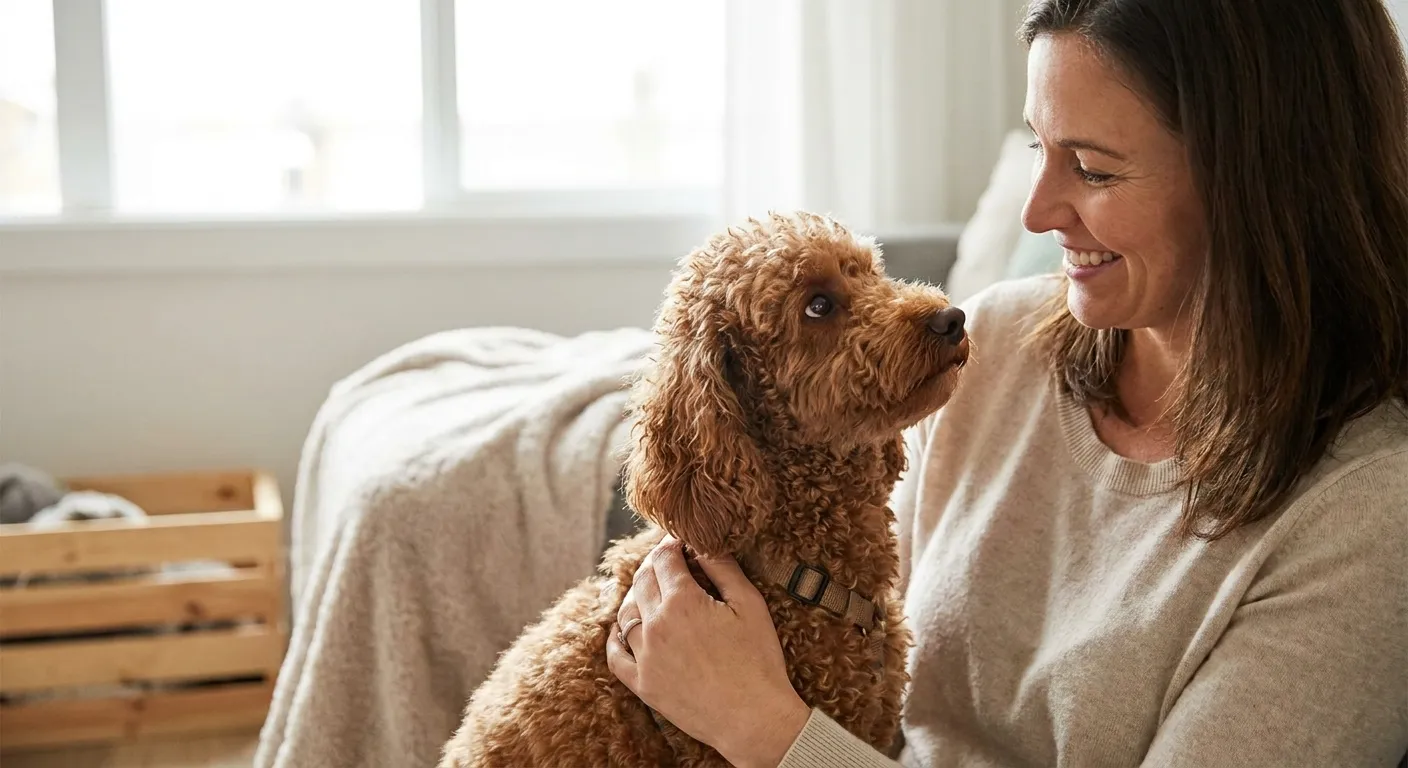
Adopting rescue poodle is the focus of this guide. Choosing to open your home and heart to a rescue dog is a profoundly rewarding experience, and adopting a rescue poodle is no exception. While rescue dogs may come with a past, they also bring an incredible capacity for love, resilience, and gratitude. This article shares insights into what you can expect when welcoming a rescue poodle into your family, highlighting the unique joys and considerations involved. Ultimately, you will find that the bond formed with a rescued companion is truly special.
Preparing for Your Rescue Poodle
When you are considering bringing a rescued poodle home, preparation is key. Many rescue poodles come from diverse backgrounds, including shelters, puppy mills, or previous homes where they might have experienced neglect or trauma. Consequently, they might arrive with some behavioral quirks, fears, or health issues that need patience and understanding. Before your poodle arrives, therefore, create a safe and comfortable space for them. Gather essentials like a comfortable bed, food and water bowls, appropriate toys, and a secure leash and collar. You can find many useful items in our Poodle Shop, particularly for Home & Safety. Research positive reinforcement training methods and consider consulting with a local trainer or behaviorist if you anticipate specific challenges. Be prepared for an adjustment period; it can take weeks or even months for a rescue dog to fully decompress and show their true personality. Furthermore, understanding their past, even if unknown, helps in providing the right support.
Understanding the Adjustment Period for a Rescued Poodle
The initial weeks and months with a rescued poodle are often a period of significant adjustment for both the dog and the family. During this time, your new companion is learning to trust, to understand their new routine, and to feel secure in their new environment. For instance, some rescued poodles may exhibit what is known as ‘honeymoon period’ behavior, where they are quiet and withdrawn before their true personality emerges. Others might show signs of anxiety or fear immediately. It is crucial to offer a predictable routine, gentle reassurance, and a calm atmosphere. Patience is not just a virtue here; it is a necessity for successful integration. Moreover, consistent positive reinforcement will build confidence and strengthen your bond.
You might observe behaviors such as house-training accidents, shyness around new people or objects, or even mild resource guarding. These are often responses to past trauma or instability. Instead of reprimanding, focus on redirection and positive reinforcement. For example, if your rescued poodle has an accident indoors, simply clean it up without fuss and reinforce outdoor potty breaks with praise and treats. Similarly, if they are shy, allow them to approach on their own terms rather than forcing interactions. Understanding these initial behaviors as part of their healing process is vital for their long-term well-being. Additionally, a quiet space where they can retreat is very beneficial.
The Rewards and Challenges of Welcoming a Poodle in Need
The challenges of bringing home a poodle in need can include house-training issues, separation anxiety, shyness, or resource guarding, especially in the initial weeks. Patience, consistency, and a gentle approach are paramount. Celebrate small victories and focus on building trust. However, the rewards far outweigh any difficulties. Rescue poodles often form incredibly strong bonds with their new families, displaying immense loyalty and affection. Watching them blossom in a loving environment, shedding their past anxieties, and discovering joy is an unparalleled experience. You are not just giving a dog a home; you are saving a life and gaining a devoted companion who will enrich your life in countless ways. The deep gratitude a rescue poodle shows is truly heartwarming. Furthermore, their resilience is inspiring to witness. Many resources are available to help you navigate these challenges, including Poodle Care Books that cover behavior and training.
Training and Socialization for Your Adopted Poodle
Training is a fundamental aspect of helping your adopted poodle integrate into your family and become a well-adjusted companion. Positive reinforcement methods are particularly effective for rescued dogs, as they build trust and confidence without adding stress. Focus on basic obedience commands such as sit, stay, and come. These commands not only provide structure but also help your poodle understand what is expected of them, which can reduce anxiety. Consistency is key; short, frequent training sessions are often more effective than long, infrequent ones. Moreover, consider enrolling in a local obedience class. This provides structured learning and opportunities for supervised socialization with other dogs and people.
Socialization, while important, should be approached cautiously with a rescued poodle. Their past experiences might make them fearful or reactive in certain situations. Introduce them to new people, places, and other animals gradually and in controlled environments. For instance, start with calm, well-behaved dogs in a neutral territory. Observe their body language carefully and remove them from any situation that causes distress. The goal is positive experiences, not overwhelming ones. As a result, your poodle will slowly learn that the world can be a safe and enjoyable place. For more guidance on training and behavior, resources from organizations like the ASPCA can be incredibly helpful.
Health and Wellness Considerations for a Rescue Poodle
When you welcome a rescued poodle into your home, their health and wellness are paramount. Many rescue dogs arrive with unknown medical histories, and some may have neglected health issues. Therefore, a comprehensive veterinary check-up soon after adoption is essential. Your veterinarian can assess their overall health, recommend necessary vaccinations, deworming, and flea and tick prevention. They can also identify and address any underlying conditions that might require ongoing care. Be prepared for potential medical costs, which can sometimes be higher for a rescue dog initially.
Nutrition also plays a crucial role in your poodle’s recovery and long-term health. Provide a high-quality diet appropriate for their age, size, and activity level. If your poodle is underweight or has digestive sensitivities, your vet can recommend a suitable feeding plan. Access to fresh water at all times is also vital. Regular grooming is another important aspect, especially for poodles, to prevent matting and skin issues. You can find excellent Grooming & Coat Care products on our site. Furthermore, consistent care will help them feel better and look their best. For further reading on canine health, the American Kennel Club (AKC) offers extensive resources.
Building a Strong Bond with Your Adopted Poodle
Building a strong, trusting bond with your adopted poodle takes time, patience, and consistent effort. One of the most effective ways to foster this connection is through positive interactions and shared experiences. Spend quality time together, whether it’s gentle petting, quiet cuddles, or engaging in play. Providing engaging Toys & Enrichment can also be a wonderful way to interact and build confidence. Many rescued poodles thrive on routine, which creates a sense of security. Establish regular feeding times, potty breaks, and playtime. This predictability helps them understand their new world and feel safe.
Furthermore, learn to read your poodle’s body language. Understanding their subtle cues will help you respond appropriately to their needs and fears. For instance, a tucked tail or flattened ears might indicate anxiety, while a relaxed posture and wagging tail suggest comfort. Respecting their boundaries, especially in the initial stages, is crucial. Never force interactions; instead, allow them to come to you on their own terms. As a result, you will gradually earn their trust and build a deep, lasting connection. The journey of welcoming a rescue poodle is truly a testament to the power of love and patience.
Long-Term Commitment to Your Rescue Poodle
The decision to welcome a rescue poodle into your family is a long-term commitment, often spanning many years. This commitment involves providing ongoing care, love, and support through all stages of their life. As they age, your poodle’s needs may change, requiring adjustments to their diet, exercise routine, and medical care. Regular veterinary check-ups, even after the initial adoption period, remain vital for monitoring their health and catching any issues early. Health & Wellness is a continuous priority for any responsible pet parent.
Moreover, continuing their training and mental stimulation is important throughout their lives. Poodles are intelligent dogs, and they benefit from ongoing learning and enrichment activities. This can include advanced obedience, puzzle toys, or even dog sports. A well-exercised and mentally stimulated poodle is generally a happier and healthier poodle. Remember that your rescued poodle has chosen you, and their loyalty and affection will continue to grow with each passing year. The profound happiness they bring to your life is immeasurable.
The Unconditional Love of an Adopted Poodle
Ultimately, the most profound aspect of welcoming a rescue poodle into your life is the unconditional love they offer. Despite their past, these resilient dogs have an incredible capacity for forgiveness and an eagerness to bond with a loving family. The unique connection you forge with a poodle in need is built on trust, patience, and mutual respect. They teach us about resilience, the power of a second chance, and the simple joys of companionship. Every wag of their tail, every gentle nudge, and every moment of shared peace reinforces the incredible decision you made.
The journey of adopting a rescue poodle is indeed filled with both challenges and immense joy. It requires commitment, empathy, and a willingness to understand a dog’s past while focusing on their future. By providing a safe, loving, and patient home, you’ll not only transform a poodle’s life but also discover an incredibly special bond that will bring profound happiness to your entire family. The love of a rescued poodle is a gift that keeps on giving, enriching your life in countless and unexpected ways. Truly, there is nothing quite like the gratitude of a dog given a second chance.
FAQ:
What should I expect during the first few weeks with my adopted poodle?
During the initial weeks, expect an adjustment period. Your new companion may be shy, anxious, or testing boundaries. Provide a quiet, consistent routine, a safe space, and plenty of patience. Focus on building trust through positive reinforcement and gentle interactions. It can take time for their true personality to emerge.
What are some common challenges when bringing a rescued poodle home?
Common challenges can include house-training accidents, separation anxiety, shyness around new people or environments, and possibly some past trauma-related behaviors. Addressing these with patience, consistent positive training, and professional guidance if needed, is crucial for their successful integration.
How can I help my rescued poodle feel safe and loved?
To help your poodle feel safe and loved, establish a predictable routine, provide a comfortable and secure environment, and engage in gentle, positive interactions. Avoid forcing interactions; instead, let them approach you. Consistent praise, treats, and quiet cuddle time will foster a strong bond.
Are there specific health considerations for a poodle from a rescue?
Yes, rescued poodles may have unknown medical histories or neglected health issues. A thorough veterinary check-up immediately after adoption is vital to assess their health, address any existing conditions, and ensure they are up-to-date on vaccinations and preventative care. Be prepared for potential initial medical costs.
What are the long-term rewards of welcoming a poodle in need?
The long-term rewards are immense. Rescued poodles often form incredibly strong, loyal, and affectionate bonds with their new families. Watching them overcome their past and thrive in a loving home is profoundly rewarding. You gain a devoted companion who will bring immeasurable joy and enrich your life for years to come.