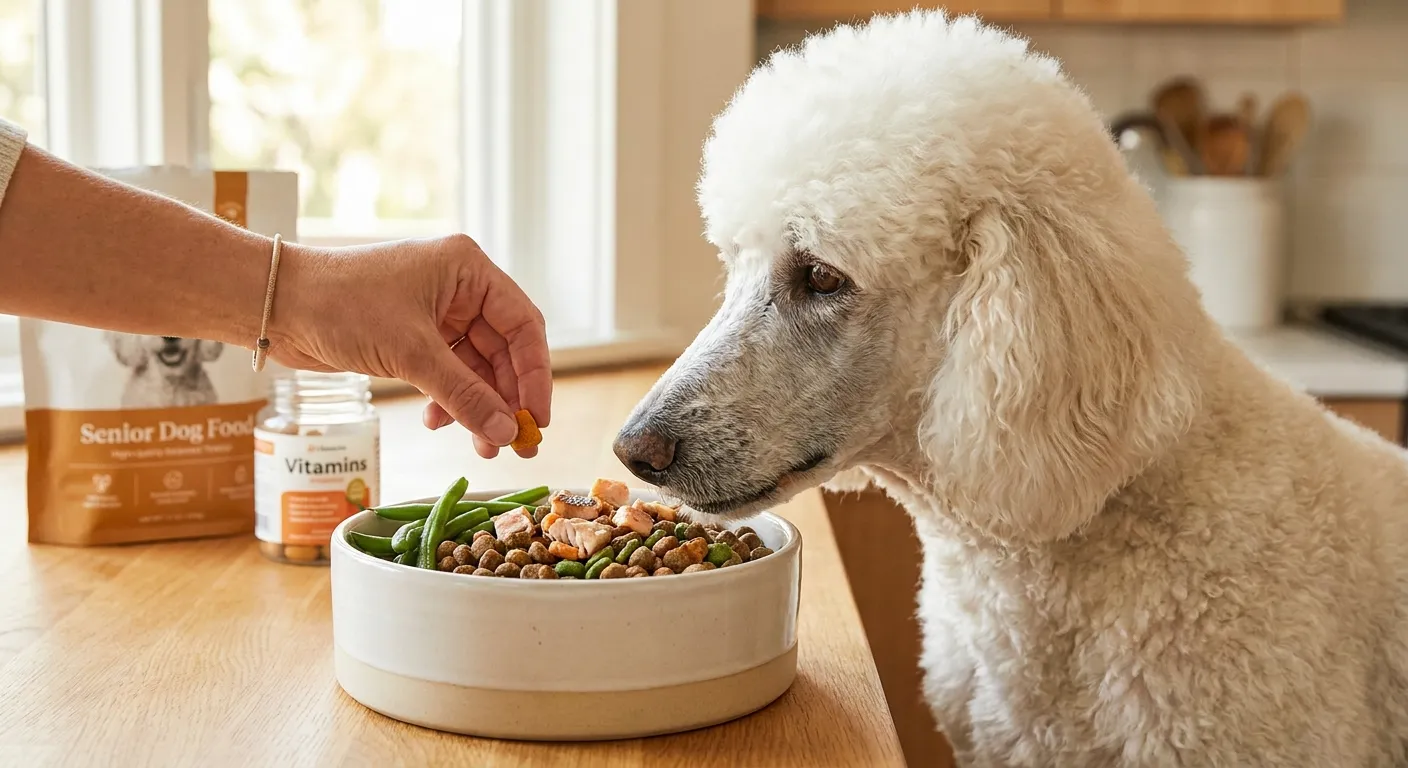
As our beloved poodles age, their nutritional needs change significantly. Understanding senior poodle nutrition is crucial for ensuring their continued health and vitality. Just like humans, senior dogs require a diet tailored to support their aging bodies, manage potential health issues, and maintain a good quality of life. This comprehensive guide will walk you through the essential considerations for feeding your golden-aged poodle, helping them enjoy their later years with comfort and energy.
Understanding Senior Poodle Nutrition Requirements
Poodles typically enter their senior years around 7-10 years old, depending on their size. During this stage, their metabolism often slows down, and their activity levels may decrease. Consequently, they can become more prone to certain health conditions such as arthritis, dental problems, kidney disease, and cognitive decline. Their diet needs to reflect these evolving physiological changes.
For instance, look for foods that are lower in calories. This helps prevent unwanted weight gain, which can exacerbate joint issues. However, the diet must still be rich in high-quality protein to maintain essential muscle mass, which naturally diminishes with age. Increased fiber content can also be beneficial, as it aids digestion and promotes regular bowel movements, common concerns for older dogs. Furthermore, specific nutrients are vital for supporting various bodily functions. Omega-3 fatty acids, glucosamine, and chondroitin are particularly important for joint health and cognitive function. Always consult your veterinarian before making any significant dietary changes to ensure they are appropriate for your individual poodle.
Calorie Management and Weight Control
One of the primary concerns for older poodles is weight management. A slower metabolism and reduced activity mean fewer calories are burned daily. Therefore, feeding the same amount of food as in their younger years can quickly lead to obesity. Obesity, in turn, can worsen conditions like arthritis, diabetes, and heart disease. Monitoring your poodle’s weight regularly is essential. You should be able to feel their ribs easily without seeing them. If they start gaining weight, it’s a clear sign that calorie intake needs adjustment. Opt for senior-specific dog foods which typically have a lower caloric density but still provide all necessary nutrients. Portion control becomes incredibly important during this life stage.
Protein Intake for Muscle Mass
Despite the need for fewer calories overall, senior poodles still require high-quality protein. Protein is fundamental for maintaining muscle mass, which naturally decreases with age, a process known as sarcopenia. Adequate protein helps support organ function, immune health, and a healthy coat. Look for foods where a named meat source (e.g., chicken, lamb, salmon) is the first ingredient. The protein should be easily digestible to minimize strain on their aging digestive system. Your veterinarian can help you determine the optimal protein percentage based on your poodle’s specific health status, especially if they have kidney concerns.
Fiber for Digestive Health
Digestive issues are common in older dogs. Constipation can be a particular problem, often due to decreased activity and changes in gut motility. A diet with an appropriate amount of fiber can significantly aid digestion and promote regular, healthy bowel movements. Soluble and insoluble fibers work together to support gut health. Sources like beet pulp, pumpkin, and certain grains can be beneficial. However, too much fiber can reduce nutrient absorption, so balance is key. Discuss with your vet how much fiber is right for your senior poodle.
Essential Nutrients for Aging Poodles
Beyond the macronutrients, several micronutrients play a critical role in supporting the health of senior poodles. Focusing on these can make a substantial difference in their quality of life.
- Omega-3 Fatty Acids: Found in fish oil, flaxseed oil, and some senior dog foods, omega-3s (EPA and DHA) are powerful anti-inflammatories. They support joint health, reduce the pain associated with arthritis, improve skin and coat condition, and are vital for cognitive function.
- Glucosamine and Chondroitin: These are natural compounds found in healthy cartilage. Supplementing with glucosamine and chondroitin can help maintain cartilage integrity, reduce joint pain, and improve mobility for poodles suffering from arthritis or general joint stiffness.
- Antioxidants: Vitamins E and C, along with other antioxidants like selenium and beta-carotene, help combat free radical damage. This damage contributes to aging and the development of chronic diseases. Antioxidants support the immune system and cognitive function.
- L-Carnitine: This amino acid derivative helps the body convert fat into energy. It can be beneficial for senior poodles who need to lose weight or maintain a healthy weight, as it supports lean muscle mass and fat metabolism.
- Probiotics: As discussed, gut health can decline with age. Probiotics introduce beneficial bacteria to the digestive tract, improving digestion, nutrient absorption, and immune function.
Choosing the Right Food and Supplements for Senior Poodle Nutrition
When it comes to selecting the best food for your senior poodle, prioritize formulas specifically designed for senior dogs. These products are formulated with balanced nutrient profiles that cater to the unique needs of aging canines. Always read labels carefully. Look for real meat as the first ingredient and avoid excessive fillers, artificial colors, flavors, or preservatives. For a wider selection of specialized diets and supplements, you might explore our Food, Treats & Feeding Gear section.
Dry vs. Wet Food Considerations
The choice between dry kibble and wet food can depend on several factors for a senior poodle. Dry kibble is often more convenient and can help clean teeth, but many older poodles develop dental problems. If your senior poodle has missing teeth, gum disease, or a decreased appetite, wet food options can be a better choice. Wet food is generally easier to chew and more palatable, encouraging them to eat. It also provides extra hydration, which is beneficial for kidney health. Sometimes a mix of both, or softening kibble with warm water, can be a good compromise.
The Role of Supplements
Supplements can play a key role in supporting your senior poodle’s health, but they should always complement, not replace, a balanced diet. As mentioned, omega-3s from fish oil are excellent for skin, coat, and joint health. Glucosamine and chondroitin are excellent for supporting cartilage and reducing joint discomfort. Probiotics can aid gut health, which often declines with age, and can be found in our Health & Wellness collection. Always discuss any supplement plan with your veterinarian to ensure it’s appropriate for your dog’s individual needs and doesn’t interact with any existing medications. They can recommend specific brands and dosages.
Feeding Practices for Senior Poodles
Beyond what you feed, how you feed your senior poodle also matters. Adjusting feeding routines can significantly impact their comfort and digestion.
Smaller, More Frequent Meals
Many senior poodles benefit from smaller, more frequent meals throughout the day rather than one or two large meals. This can ease the digestive burden, reduce the risk of bloat (especially in larger poodles), and help maintain stable blood sugar levels. For example, instead of two large meals, try three or four smaller portions. This approach can also stimulate appetite in poodles who have become pickier eaters.
Hydration is Key
Older dogs are more prone to dehydration, especially if they have kidney issues. Always ensure fresh, clean water is available. Consider adding water to dry kibble or offering wet food to increase their fluid intake. Multiple water bowls around the house can encourage more frequent drinking, especially if mobility is a concern. Hydration is a critical component of overall senior poodle health.
Monitoring Appetite and Eating Habits
Any significant change in your senior poodle’s appetite or eating habits warrants veterinary attention. A sudden decrease in appetite could indicate dental pain, illness, or other underlying health issues. Conversely, a sudden increase in appetite could signal conditions like diabetes or Cushing’s disease. Observing how your poodle eats – whether they struggle to chew, seem uncomfortable, or are unusually slow – provides valuable clues about their well-being. Keeping a journal of their eating patterns can be helpful for your vet.
Addressing Specific Health Concerns with Diet
Dietary adjustments can be powerful tools in managing common health issues faced by senior poodles.
Joint Health and Arthritis
For poodles with arthritis, a diet rich in omega-3 fatty acids, glucosamine, and chondroitin is paramount. Weight management is also critical, as excess weight places additional stress on compromised joints. Some veterinary prescription diets are specifically formulated to support joint health, containing higher levels of these beneficial nutrients. Regular, gentle exercise combined with the right diet can significantly improve their comfort and mobility.
Kidney Disease
Kidney disease is common in older dogs. If your poodle is diagnosed with kidney issues, your vet will likely recommend a prescription renal diet. These diets are typically lower in protein (but with high-quality protein), phosphorus, and sodium, and often have increased omega-3 fatty acids. These modifications help reduce the workload on the kidneys and slow the progression of the disease. Proper hydration is also exceptionally important for kidney health.
Dental Health
Poor dental health can make eating painful for senior poodles. Regular dental care, including professional cleanings, is vital. If dental issues are present, softer foods, such as wet food or kibble moistened with water, can make eating more comfortable. Dental chews designed for senior dogs or specific dental diets can also help maintain oral hygiene between cleanings, but always ensure they are easy for your dog to chew without causing pain. You can find useful tools for dental care in our Grooming & Coat Care section.
Cognitive Decline
Some senior poodles may experience cognitive dysfunction syndrome (CDS), similar to Alzheimer’s in humans. Diets enriched with antioxidants, omega-3 fatty acids (especially DHA), and specific brain-supporting nutrients like arginine and B vitamins can help support brain health and potentially slow cognitive decline. There are specific prescription diets available that target brain health in senior dogs. Engaging your senior poodle in gentle mental stimulation, such as puzzle toys, also complements dietary support.
Managing Diabetes
If your senior poodle develops diabetes, dietary management will be a cornerstone of their treatment. Diabetic diets are typically high in fiber and complex carbohydrates, helping to stabilize blood sugar levels. Consistent feeding times and measured portions are crucial. Your veterinarian will work with you to create a feeding plan that aligns with insulin administration and helps manage blood glucose effectively.
For more in-depth information on poodle health and nutrition, consider exploring reputable resources like the American Kennel Club or the University of Wisconsin-Madison School of Veterinary Medicine for expert advice.
Conclusion
Providing optimal senior poodle nutrition is a cornerstone of responsible pet ownership for our aging companions. By thoughtfully adjusting their diet to meet their evolving needs, focusing on high-quality ingredients, and integrating appropriate supplements, you can significantly enhance their quality of life. Regular consultations with your veterinarian are essential to tailor a nutritional plan that addresses your senior poodle’s specific health status and ensures they receive everything they need. A proactive and loving approach to their food and supplements will help your senior poodle enjoy their golden years with comfort, energy, and a joyful wagging tail.
FAQ: Optimal Health for Your Older Poodle
What are the key differences in diet for an aging poodle compared to a younger one?
Older poodles generally need fewer calories to prevent weight gain due to slower metabolism and decreased activity. However, they require higher quality protein to maintain muscle mass and may benefit from increased fiber for digestion. Additionally, specific nutrients like omega-3s, glucosamine, and chondroitin become more crucial for joint and cognitive health.
How can I tell if my senior poodle is getting the right nutrients?
Look for signs of good health: a healthy weight, a shiny coat, good energy levels, and regular bowel movements. Any changes in appetite, weight loss or gain, lethargy, or digestive upset could indicate a nutritional imbalance. Regular veterinary check-ups are vital for monitoring their overall health and making dietary adjustments.
Are human foods safe for my older poodle?
While some human foods are safe in moderation (like plain cooked chicken or certain vegetables), many are not suitable and can be harmful. It’s best to stick to a balanced senior dog food. Always consult your vet before introducing any human foods into your senior poodle’s diet to avoid nutritional imbalances or toxic reactions. For specialized treats, check out our Food, Treats & Feeding Gear section.
What if my senior poodle is a picky eater?
Picky eating can be common in older poodles. Try warming their food slightly to enhance its aroma, adding a small amount of low-sodium broth, or mixing in some wet food. Ensure they don’t have dental pain. If pickiness persists or is accompanied by weight loss, consult your veterinarian to rule out any underlying health issues.
How often should I feed my senior poodle?
Many senior poodles benefit from two to three smaller meals per day rather than one or two large ones. This can aid digestion, prevent bloat, and help maintain stable energy levels throughout the day. Your veterinarian can recommend a specific feeding schedule based on your poodle’s individual needs and health conditions.