
Welcoming a new poodle puppy into your home is an incredibly exciting and rewarding experience. As pet owners increasingly embrace the ‘humanization of pets’ trend, treating their furry companions as full-fledged family members, the demand for comprehensive, reliable guidance on poodle puppy essential care has never been higher. This foundational period is crucial for shaping your poodle’s health, temperament, and behavior for a lifetime. At Poodle Dogs World, we’re dedicated to being your trusted, one-stop resource, providing well-researched, actionable advice. This guide will walk you through the critical first eight weeks, covering everything from early training and socialization to essential health checks and introductory grooming tips, ensuring your new family member gets the best possible start.
Early Training & Socialization: Building a Confident Poodle
Poodles are consistently ranked among the most intelligent dog breeds, often second overall, making them highly receptive to training. However, their intelligence comes with high sensitivity and a low boredom threshold. This means short, engaging sessions using positive reinforcement are key. Avoid harsh corrections; focus on rewarding desired behaviors with treats, praise, and play. Start with basic commands like “sit,” “stay,” and “come” in a quiet environment before gradually introducing distractions. Furthermore, consistency is vital during this early stage.
Crucially, the period between 8 and 16 weeks is your poodle puppy’s most vital socialization window. This is when they form core associations with the world around them. Safe, positive exposure to various sights, sounds, people, and other vaccinated, friendly dogs is paramount for preventing nervousness or fear later in life. Think of controlled interactions: a gentle car ride, meeting a calm, vaccinated friend’s dog, hearing different household noises, or walking on various surfaces. Always keep experiences positive and short, ending on a good note. This early investment in their social development is a cornerstone of responsible poodle puppy care.
Foundational Health Checks for Your Poodle Puppy Essential Care
Prioritizing preventative care is a major trend in the pet industry, with owners seeking to extend their pets’ lifespans and mitigate costly vet visits. Your first vet visit should be scheduled within days of bringing your puppy home. This initial check-up will establish a baseline for your puppy’s health and kickstart their vaccination schedule, deworming, and parasite prevention. Your veterinarian will also discuss nutrition, growth expectations, and answer any immediate concerns you have. Notably, choosing a vet who understands breed-specific needs is important.
While puppies are generally robust, they can be susceptible to common ailments like kennel cough or intestinal parasites. Regular check-ups are vital for early detection and intervention. The growth of pet insurance is also making preventative care more accessible. For detailed information on maintaining your poodle’s well-being, explore our resources on Poodle Health & Wellness. In addition, discuss a proper flea and tick prevention plan with your vet.
Setting Up Your Poodle Puppy’s Safe Haven
Creating a secure and stimulating environment is a fundamental aspect of poodle puppy essential care. Before your puppy arrives, prepare a dedicated space for them. This area should include a comfortable bed, food and water bowls, and appropriate toys. A crate can be an excellent tool for house training and providing a safe den, but it should never be used for punishment. Instead, make it a positive space with treats and toys.
Safety proofing your home is another critical step. Poodle puppies are curious and can get into trouble quickly. Put away any toxic plants, secure electrical cords, and store cleaning supplies out of reach. Similarly, ensure all small objects that could be swallowed are removed from floor level. For more ideas on creating a secure home for your new companion, check out our section on Home & Safety for Poodles.
Nutrition: Fueling Your Growing Poodle Puppy
Proper nutrition is paramount for a poodle puppy’s development. During their first eight weeks, puppies grow rapidly, requiring a diet specifically formulated for their needs. Choose a high-quality puppy food that is appropriate for small to medium breeds, depending on your poodle’s expected adult size. Look for ingredients lists that prioritize real meat as the first ingredient and avoid excessive fillers or artificial additives. Your veterinarian can provide tailored recommendations based on your puppy’s individual health and activity level.
Feeding schedules are also important. Young puppies generally need to eat three to four times a day. Always provide fresh water alongside their meals. Monitor your puppy’s weight and body condition regularly to ensure they are growing at a healthy rate. Overfeeding can lead to obesity, while underfeeding can hinder development. For a wide selection of suitable options, visit our Food, Treats & Feeding Gear section.
Grooming Basics for Your Young Poodle
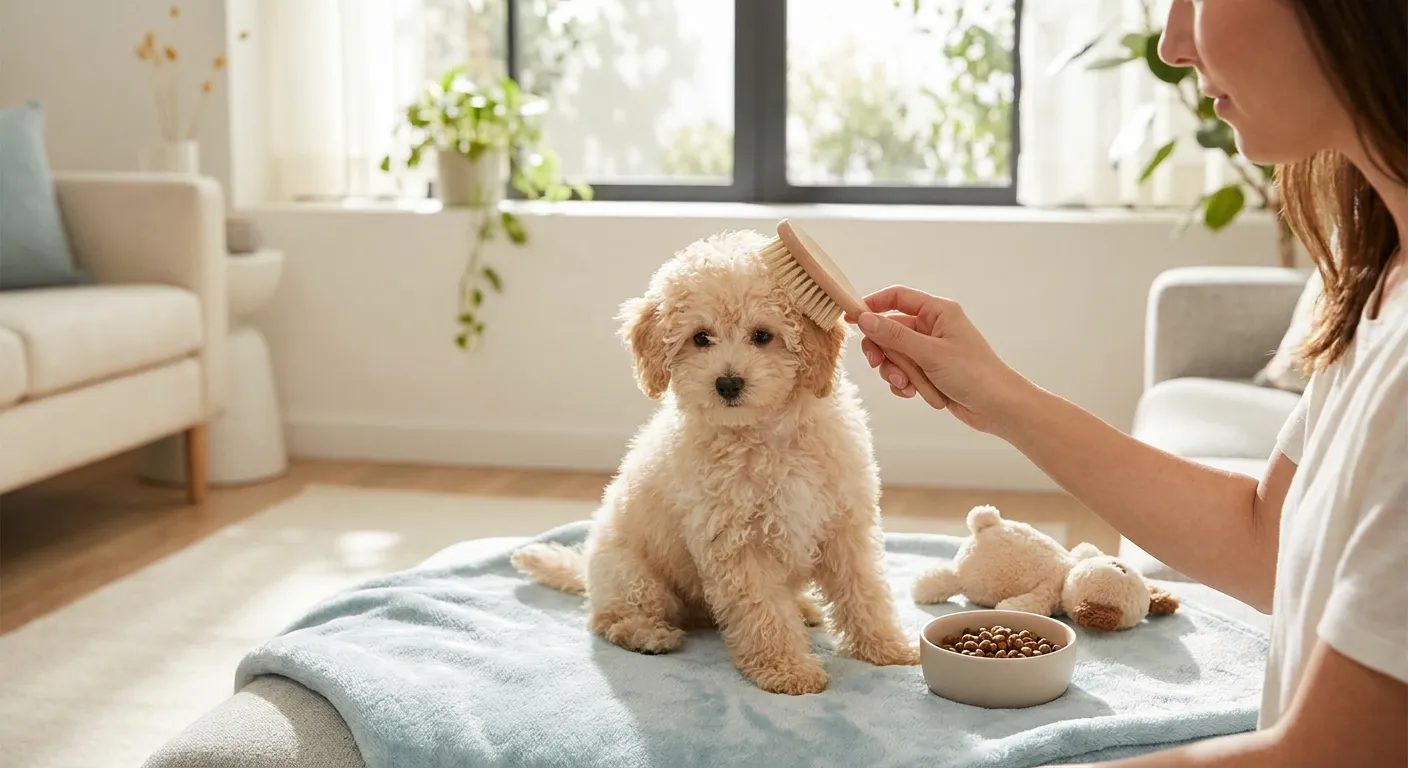
Poodles are renowned for their distinctive coats, which require consistent grooming. Starting early with grooming routines is a vital part of poodle puppy essential care. Begin by gently brushing your puppy’s coat daily, even if it’s just for a few minutes. This helps them get accustomed to the sensation and prevents matting. Use a slicker brush and a metal comb to work through their curls.
Introduce your puppy to nail trimming and ear cleaning early on. Use positive reinforcement and make these experiences short and pleasant. Many owners opt for professional grooming every 4-6 weeks, but daily maintenance at home is essential between visits. For comprehensive grooming tips and products, explore our Grooming & Coat Care resources. In addition, consider purchasing a high-quality puppy shampoo for their first baths.
Potty Training & Housebreaking: Establishing Good Habits
House training is often one of the first major challenges new puppy owners face, yet it is a crucial aspect of early poodle puppy care. Poodles are intelligent and eager to please, which can make them relatively quick to house train with consistency and patience. Establish a consistent schedule for potty breaks, taking your puppy out first thing in the morning, after every meal, after naps, and before bedtime. Always take them to the same designated potty spot.
Reward your puppy immediately with praise and a small treat when they eliminate outside. Avoid punishing accidents indoors; instead, clean them thoroughly with an enzymatic cleaner to remove odors that might attract your puppy back to the same spot. Crate training can be a highly effective tool for housebreaking, as dogs are naturally reluctant to soil their sleeping area. Consequently, a well-structured routine is key to success.
Playtime & Mental Stimulation: Engaging Your Smart Poodle
Poodles are highly intelligent and energetic dogs that require significant mental and physical stimulation. Playtime is not just for fun; it’s a critical component of their development and overall well-being. Engage your poodle puppy in interactive games like fetch, tug-of-war, or hide-and-seek. These activities help build a bond between you and your puppy while burning off excess energy.
Beyond physical play, provide your puppy with puzzle toys and chew toys that challenge their minds. This helps prevent boredom and destructive behaviors. Rotating toys can keep things fresh and exciting. For a variety of stimulating options, browse our Toys & Enrichment section. Furthermore, short training sessions also serve as excellent mental exercise for these clever dogs.
Common Challenges & Solutions in Poodle Puppy Essential Care
Even with the best intentions, new puppy owners often encounter common challenges. Nipping and biting are normal puppy behaviors, but they need to be redirected. Teach bite inhibition by yelping loudly when your puppy bites too hard, then immediately disengage from play for a moment. Offer appropriate chew toys instead. Similarly, separation anxiety can develop if puppies are left alone for too long too soon.
Gradually increase the time your puppy spends alone, starting with short intervals. Ensure they have a comfortable, safe space and stimulating toys. Consult your veterinarian or a professional dog trainer if you notice persistent behavioral issues. Addressing these challenges early on is an important part of comprehensive poodle puppy essential care, fostering a well-adjusted adult dog. Remember, patience and consistency are your greatest allies.
The Importance of Early Vet Visits and Vaccinations
Your puppy’s initial veterinary visits are crucial for establishing a strong foundation of health. During these first appointments, your vet will administer core vaccinations, which typically include protection against distemper, parvovirus, adenovirus, and rabies. These vaccinations are vital for safeguarding your puppy against common and often life-threatening diseases. Your vet will also discuss a deworming schedule to prevent intestinal parasites, which are quite common in young puppies.
Beyond vaccinations, these visits are an opportunity to discuss preventative measures for fleas, ticks, and heartworms. Your veterinarian can recommend appropriate products and schedules tailored to your puppy’s specific needs and your local environment. Establishing a good relationship with your vet from the start will ensure you have a trusted partner in your poodle’s long-term health journey. For additional insights on maintaining your poodle’s health, refer to the expert advice on the American Kennel Club website.
Introducing Your Poodle Puppy to Other Pets and Children
If you have other pets or children, careful introductions are essential for a harmonious household. Always supervise initial interactions between your new poodle puppy and existing pets. Allow them to meet in a neutral territory if possible, and keep initial encounters short and positive. Reward calm behavior from all parties involved. For children, teach them how to gently interact with a puppy, emphasizing respect for the puppy’s space and understanding their body language.
Never leave young children unsupervised with a puppy. Teach children to avoid pulling ears or tails, and to let the puppy rest when needed. Positive, controlled introductions will help prevent fear or aggression issues later on, ensuring everyone in the family, furry or otherwise, can coexist happily. This thoughtful approach to integration is a key component of responsible poodle puppy essential care.
Beyond Eight Weeks: Continuing Your Poodle’s Development
While the first eight weeks lay a critical foundation, the journey of raising a poodle puppy extends far beyond this initial period. Continued socialization, advanced training, and ongoing health management are all vital for your poodle’s lifelong well-being. Enroll in puppy classes to further enhance their social skills and reinforce good behavior. These classes also provide an excellent opportunity for you to learn more about positive training techniques from certified professionals.
Maintaining a consistent routine for feeding, potty breaks, and exercise will help your poodle feel secure and confident. Regular grooming appointments and home care will keep their coat healthy and prevent skin issues. As your poodle grows, their nutritional needs will change, so consult your vet about transitioning to adult dog food. This continuous commitment to their care, building upon the initial poodle puppy essential care, ensures your companion thrives throughout their life. For more in-depth knowledge, consider exploring various Poodle Care Books available.
Conclusion
The first eight weeks with your new poodle puppy are a time of immense joy and significant responsibility. By focusing on early training, comprehensive health checks, proper nutrition, consistent grooming, and thoughtful socialization, you are setting the stage for a happy, well-adjusted companion. Remember, every interaction and experience during this formative period contributes to the dog your poodle will become. At Poodle Dogs World, we are here to support you every step of the way, providing trusted advice and resources for all your poodle puppy essential care needs. With patience, love, and consistency, you will build an unbreakable bond and enjoy many wonderful years with your beloved poodle.
FAQ
What should I feed my new poodle puppy?
Feed your new poodle puppy a high-quality commercial puppy food specifically formulated for their breed size and age. Your veterinarian can offer specific recommendations based on your puppy’s individual needs.
How often should a poodle puppy be groomed?
A poodle puppy should be brushed daily to prevent matting. Professional grooming typically starts around 12-16 weeks of age, with follow-up appointments every 4-6 weeks, complemented by regular home care.
When should I start training my poodle puppy?
Training should begin immediately upon bringing your poodle puppy home. Start with basic commands and positive reinforcement in short, engaging sessions to build good habits from the start.
What is the most important aspect of early puppy care?
Early socialization is arguably the most important aspect. Safely exposing your young poodle to various sights, sounds, people, and friendly dogs between 8 and 16 weeks helps them develop into a confident and well-adjusted adult.
How do I house train my poodle puppy effectively?
Effective house training involves establishing a consistent potty schedule, rewarding successful outdoor elimination, and using a crate as a training aid. Avoid punishment for accidents and clean them thoroughly.