
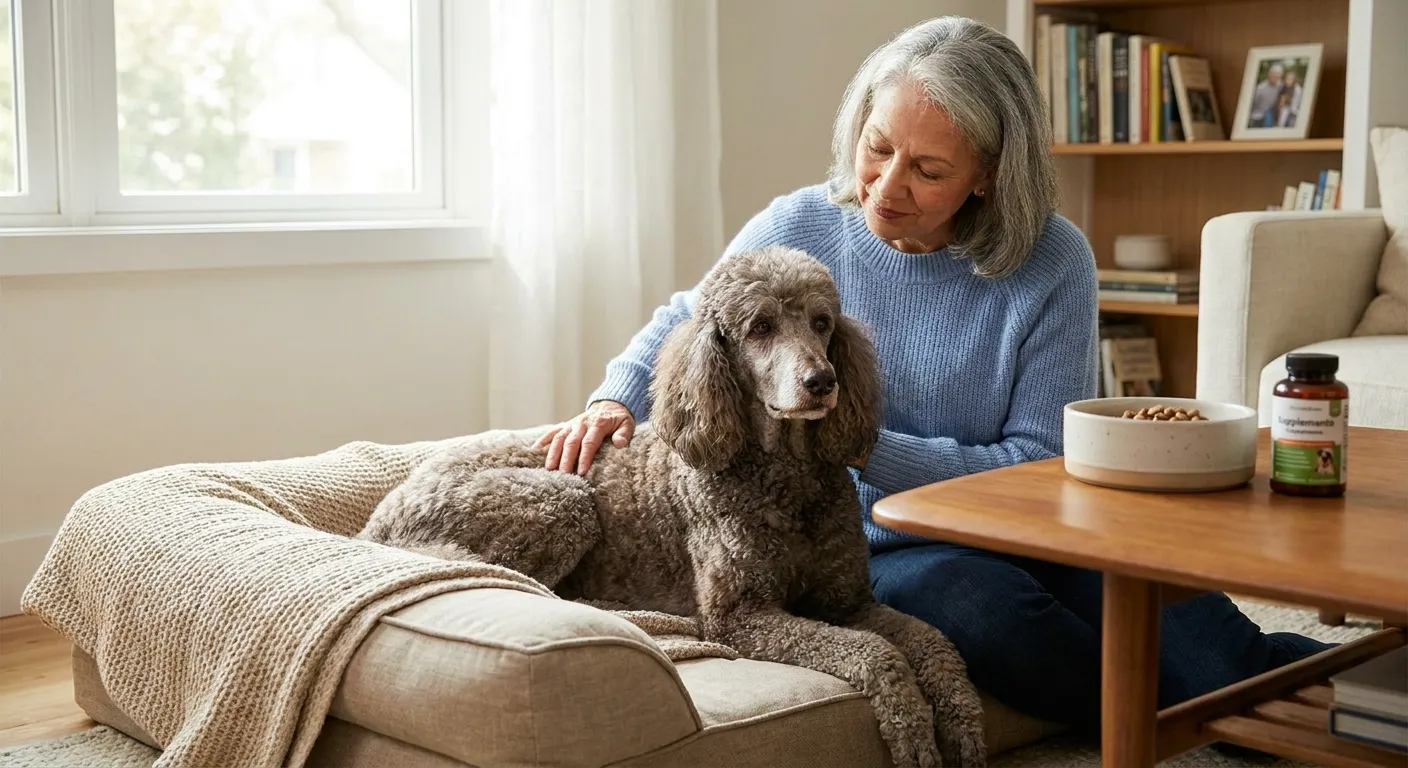
As Poodles gracefully age, their needs naturally evolve. Providing them with specialized senior Poodle care ensures their continued comfort and well-being. Just like humans, older Poodles experience changes in mobility, energy levels, and overall health. Therefore, proactive adjustments to their daily routine become crucial. Embracing these changes with understanding and dedicated support allows your cherished Poodle to enjoy their golden years.
The journey through a Poodle’s senior years can be incredibly rewarding. However, it requires a thoughtful approach to their environment, diet, and healthcare. Understanding the common challenges faced by aging canines will help you anticipate their needs. Consequently, you can provide the best possible support. We aim to guide you through these essential aspects of caring for your senior companion.
Understanding the Aging Poodle: What to Expect
Poodles generally enter their senior years around 7-10 years of age, though this can vary by size. Toy and Miniature Poodles often show signs of aging later than Standard Poodles. As a result, their bodies undergo various physiological changes. These changes can impact their daily life significantly. For instance, you might notice a decrease in their enthusiasm for long walks. Perhaps they sleep more often.
Common age-related changes include reduced energy, stiffness in joints, and potential changes in vision or hearing. Many older dogs also experience cognitive decline, similar to Alzheimer’s in humans. This condition, known as Canine Cognitive Dysfunction (CCD), can manifest as disorientation, altered sleep patterns, or house-soiling accidents. Recognizing these signs early is vital for effective management. Your veterinarian can offer valuable insights and strategies.
5 Essential Tips for Senior Poodle Care
Providing exceptional senior Poodle care involves a holistic approach. It encompasses diet, exercise, regular veterinary attention, and environmental adjustments. These five tips form the foundation of a supportive environment for your aging friend.
1. Adjust Diet for Senior Needs
Senior Poodles often require fewer calories to maintain a healthy weight. This is primarily due to decreased activity levels. Preventing weight gain is paramount, as extra pounds can severely exacerbate joint problems. Consult your veterinarian for a diet specifically tailored to their age, activity level, and any existing health conditions. Look for senior-specific dog foods that are typically lower in fat and may contain joint-supporting supplements. Ingredients like glucosamine and chondroitin are particularly beneficial for joint health. Furthermore, some senior diets are formulated with increased fiber to aid digestion. Others may include antioxidants to support cognitive function. Always introduce new foods gradually to avoid digestive upset.
2. Gentle Exercise and Mental Stimulation
While their stamina might decrease, senior Poodles still need regular, gentle exercise. This helps maintain muscle tone, joint flexibility, and a healthy weight. Short, frequent walks are generally better than long, strenuous ones. Consider two or three shorter walks throughout the day rather than one long excursion. Swimming can be an excellent low-impact exercise for older dogs, too, as it supports joints without putting excessive strain on them. Additionally, keeping their minds active is crucial to prevent cognitive decline. Use puzzle toys, engage them in scent games, or refresh their basic training commands. These activities provide mental enrichment and combat boredom. Even gentle play sessions with soft toys can be beneficial.
3. Regular Veterinary Check-ups
Biannual (twice-yearly) veterinary visits become even more critical for senior Poodles. These frequent check-ups allow for the early detection and management of common age-related conditions. These include arthritis, dental disease, kidney issues, and canine cognitive dysfunction. During these visits, your vet can perform thorough physical examinations. Blood tests and urinalysis provide valuable insights into their internal organ health. Early intervention often leads to better outcomes and a higher quality of life. Discuss any changes in your Poodle’s behavior, appetite, or mobility with your vet. Regular dental care, including professional cleanings, is also vital, as dental disease can lead to other systemic health problems.
4. Comfort and Accessibility at Home
Making your home more comfortable and accessible for your aging Poodle is essential for their well-being. Provide orthopedic beds designed for joint support. These beds distribute weight evenly and reduce pressure on sore joints. Consider adding ramps or pet stairs for accessing furniture or cars, preventing painful jumps. Ensure easy access to food, water bowls, and potty areas, especially if mobility is limited. Non-slip rugs or mats can prevent falls on slick floor surfaces, which can be particularly dangerous for dogs with arthritis or weakened muscles. Adjusting the height of food and water bowls can also ease strain on their neck and back. Small changes can make a big difference in their daily comfort.
5. Monitor for Behavioral Changes
Changes in behavior can often be subtle but significant indicators of underlying health issues or canine cognitive dysfunction. Pay close attention to signs such as increased confusion, anxiety, altered sleep patterns, or house-training accidents. For example, your Poodle might stare blankly at walls or forget familiar commands. Document these changes thoroughly. Discuss them with your veterinarian promptly. Early diagnosis can lead to effective treatments or management strategies, improving their quality of life. Sometimes, behavioral changes are linked to pain, so a thorough veterinary examination is always recommended to rule out medical causes.
Nutritional Considerations for Older Poodles
Proper nutrition is a cornerstone of effective senior Poodle care. As mentioned, their metabolic rate slows down, meaning they need fewer calories. However, they still require high-quality protein to maintain muscle mass. Choosing a senior-specific dog food is often the best approach. These formulas are typically designed with a balanced nutrient profile suitable for aging dogs. They often contain beneficial supplements.
Beyond calories and protein, consider other key nutrients. Omega-3 fatty acids, found in fish oil, can reduce inflammation and support joint and skin health. Antioxidants like vitamins E and C help combat cellular damage, potentially slowing the aging process. Furthermore, ensure your Poodle has constant access to fresh water. Hydration is crucial for kidney function and overall health. If your Poodle has specific health conditions, such as kidney disease or diabetes, your vet might recommend a prescription diet. These diets are formulated to manage particular health concerns effectively. For more information on canine nutrition, the American Kennel Club offers valuable insights.
Maintaining Mobility and Joint Health
Mobility issues, primarily due to arthritis, are very common in older Poodles. Managing pain and maintaining flexibility are key aspects of senior Poodle care. In addition to gentle exercise, consider supplements like glucosamine, chondroitin, and MSM. These can help support cartilage health and reduce joint inflammation. Your veterinarian might also prescribe anti-inflammatory medications or pain relievers if arthritis is severe. Physical therapy, including hydrotherapy (underwater treadmill), can also significantly improve mobility and strengthen muscles without stressing joints. Regular, gentle massage can also increase blood flow and ease muscle stiffness. Furthermore, ensure your Poodle’s nails are trimmed regularly. Overly long nails can alter their gait and put extra strain on their joints.
Addressing Cognitive Decline in Senior Poodles
Canine Cognitive Dysfunction (CCD) can be distressing for both Poodles and their owners. Symptoms include disorientation, changes in social interaction, altered sleep-wake cycles, and house-soiling. While there’s no cure for CCD, several strategies can help manage its progression. Your vet might suggest specific diets enriched with antioxidants and omega-3 fatty acids. Medications are also available to improve brain function and reduce anxiety. Maintaining a consistent routine can help reduce confusion. Providing stimulating toys and gentle interaction can keep their minds engaged. Creating a safe, familiar environment is also crucial. For additional resources, Veterinary Partner offers detailed information on CCD.
Preventative Dental Care for Aging Poodles
Dental health often deteriorates with age, yet it’s frequently overlooked in senior Poodle care. Periodontal disease can cause pain, difficulty eating, and even lead to infections in other organs like the heart and kidneys. Regular professional dental cleanings under anesthesia are essential for older Poodles. Between cleanings, daily brushing with dog-specific toothpaste can significantly reduce plaque and tartar buildup. Dental chews and water additives can also help, but they are not substitutes for brushing or professional cleanings. Monitor your Poodle for signs of dental pain, such as bad breath, reluctance to eat hard food, or pawing at their mouth. Early intervention can prevent more serious dental problems.
Creating a Safe and Comfortable Environment
As Poodles age, their senses may diminish, and their coordination might lessen. Consequently, creating a safe and comfortable living space is paramount. Beyond orthopedic beds and ramps, consider adequate lighting, especially at night, to help those with impaired vision navigate. Minimize clutter to prevent tripping hazards. Ensure comfortable temperatures, as older dogs can be more sensitive to heat and cold. A quiet, easily accessible resting spot where they feel secure is also important. This provides them with a sanctuary where they can relax undisturbed. Furthermore, ensure their potty area is easily accessible. This is especially important for dogs with arthritis or incontinence. Consider puppy pads if accidents become more frequent.
The Importance of Emotional Support and Bonding
Beyond the physical aspects of senior Poodle care, emotional support is incredibly important. Your aging Poodle still thrives on companionship and affection. Spend quality time with them, offering gentle petting, quiet cuddles, and reassuring words. Maintain a consistent routine, as predictability can reduce anxiety and confusion, especially for Poodles experiencing cognitive decline. Be patient and understanding with any new behaviors or limitations. Your presence and love are invaluable during their golden years. This strengthens your bond and provides them with a sense of security. Remember, they have given you a lifetime of loyalty and love; now is the time to return that devotion.
Conclusion
Providing dedicated senior Poodle care helps mitigate the challenges of aging. It allows your cherished companion to maintain a good quality of life. By understanding their changing needs and implementing proactive strategies, you can ensure their comfort and happiness. From tailored diets and gentle exercise to regular vet check-ups and a supportive home environment, every effort contributes to their well-being. Your attentiveness and unconditional care will make their later years as happy and comfortable as possible. Embrace this special time, celebrating the enduring bond you share with your beloved Poodle.
FAQ: Caring for Your Aging Poodle
What are the first signs of aging in Poodles?
The first signs of aging in Poodles often include a decrease in energy levels, increased sleeping, stiffness after resting, and a slight dulling of their coat. You might also notice a reduced enthusiasm for play or longer recovery times after exercise. These changes usually become apparent between 7 and 10 years of age, depending on the Poodle’s size.
How often should an older Poodle visit the vet?
Older Poodles should ideally visit the veterinarian twice a year (biannually). These more frequent check-ups allow for early detection and management of age-related conditions. Regular blood work and urinalysis can also monitor internal organ health, helping to catch issues before they become severe.
What kind of exercise is best for an aging Poodle?
Gentle, regular exercise is best for an aging Poodle. This includes shorter, more frequent walks rather than long, strenuous ones. Swimming is also an excellent low-impact option that supports joint health. Mental stimulation through puzzle toys and scent games is equally important to keep their minds active.
How can I make my home more comfortable for my senior dog?
To make your home more comfortable for your senior dog, provide orthopedic beds for joint support. Use ramps or pet stairs for accessing furniture, and ensure non-slip rugs are on slick floors. Make sure food, water, and potty areas are easily accessible. Consider adjusting the height of food bowls to ease neck strain.
What is canine cognitive dysfunction and how is it managed?
Canine Cognitive Dysfunction (CCD) is a condition similar to Alzheimer’s in humans, affecting older dogs. Symptoms include disorientation, altered sleep patterns, changes in social interaction, and house-soiling. Management involves maintaining a consistent routine, providing mental stimulation, and discussing prescription diets or medications with your veterinarian to support brain health.