
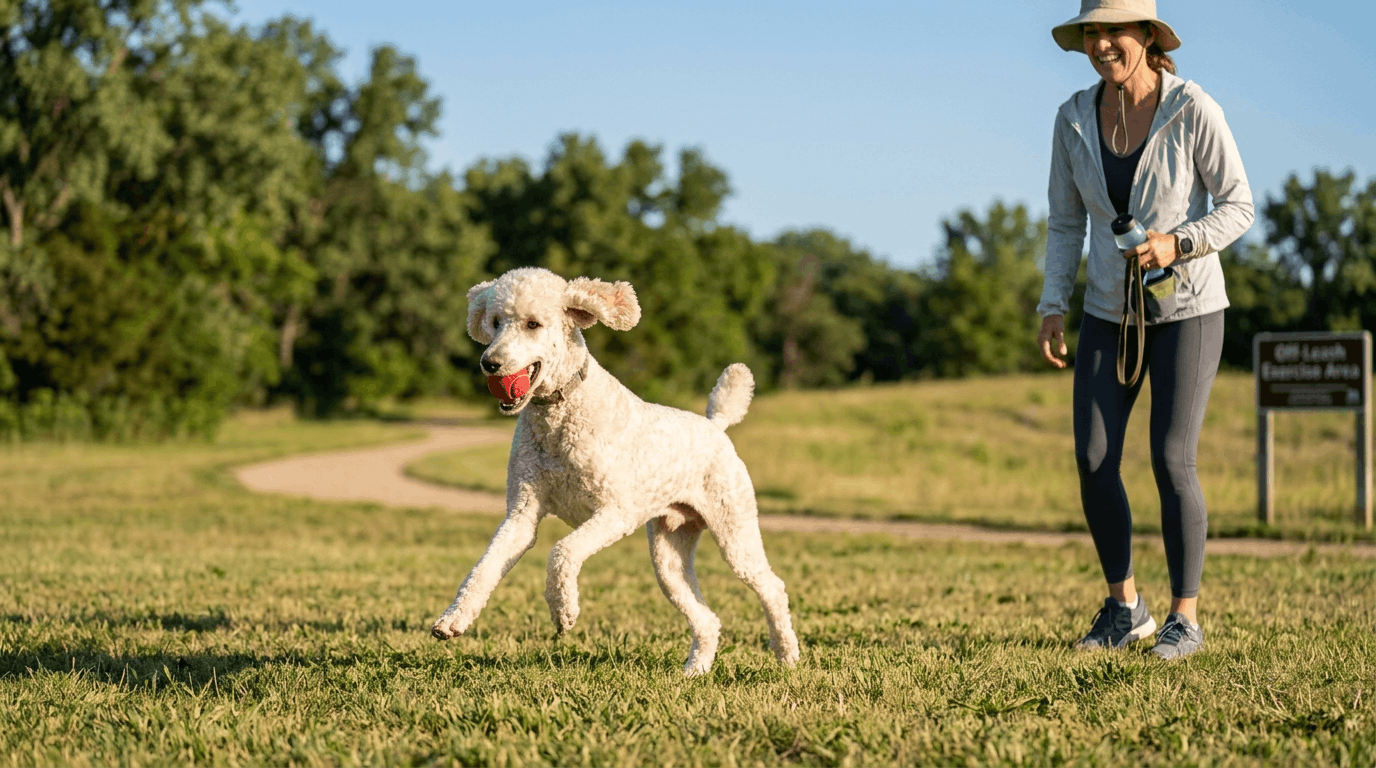
Prevent obesity poodles by understanding that weight gain does not happen overnight, but rather develops slowly through daily habits that go unnoticed. While poodles are naturally active and intelligent, they can still become overweight when their diet and exercise are not properly managed. In many cases, apartment living, overfeeding, and lack of structured activity contribute to gradual weight gain, which can eventually impact your dog’s health and quality of life.
Because poodles come in different sizes, from toy to standard, their calorie needs vary significantly. However, one thing remains consistent: they thrive on balance. When food intake exceeds energy output, excess weight begins to accumulate. Therefore, learning how to maintain that balance is the key to long-term health. By taking small, consistent steps, you can create a lifestyle that helps your poodle stay lean, energetic, and happy.
Understanding Why Weight Gain Happens
To prevent obesity poodles effectively, you first need to understand why it happens. Most weight gain occurs when dogs consume more calories than they burn. Although this sounds simple, it often results from a combination of factors that build up over time.
For example, many owners unknowingly overfeed their dogs. Measuring food loosely or giving frequent treats can quickly increase daily calorie intake. Additionally, low activity levels reduce the number of calories your poodle burns, which creates an imbalance.
Moreover, certain life stages play a role. Puppies require more calories for growth, while adult and senior dogs need fewer calories. If feeding habits do not adjust as your poodle ages, weight gain becomes more likely. Therefore, regular adjustments are essential to maintain a healthy weight.
Genetics can also influence how easily a dog gains weight. Some poodles may have slower metabolisms, which means they require stricter portion control. While you cannot change genetics, you can manage diet and exercise to counteract these tendencies.
Building A Balanced Feeding Routine
One of the most effective ways to prevent obesity poodles is by creating a structured feeding routine. Instead of free-feeding throughout the day, provide meals at set times. This approach helps regulate your dog’s metabolism and prevents overeating.
Start by measuring your dog’s food accurately using a proper measuring cup. Even small overestimations can add up over time. Additionally, choose high-quality dog food that provides balanced nutrition without unnecessary fillers. Foods rich in protein and essential nutrients support muscle maintenance and overall health.
Treats should also be given in moderation. While treats are useful for training, they should not exceed ten percent of your dog’s daily calorie intake. Instead of relying on high-calorie snacks, consider using small portions or healthier alternatives.
Consistency is crucial in this process. By feeding your poodle at the same times each day, you create a predictable routine that supports digestion and weight management. Over time, this routine becomes a natural part of your dog’s daily life.
The Role Of Exercise In Weight Control
Exercise plays a major role when you aim to prevent obesity poodles. Even though poodles are naturally active, they still require regular, structured activity to maintain a healthy weight. Without enough movement, excess calories quickly turn into stored fat.
Daily walks are a great starting point. However, variety makes a big difference. Incorporating playtime, such as fetch or interactive games, helps keep your poodle mentally and physically engaged. Because poodles are intelligent, they benefit from activities that challenge both their body and mind.
Additionally, adjusting exercise intensity based on your dog’s age and size is important. Toy poodles may need shorter but more frequent sessions, while standard poodles can handle longer, more vigorous activity. Therefore, tailoring exercise to your dog ensures better results.
Consistency matters just as much as intensity. Regular daily activity prevents weight gain more effectively than occasional long exercise sessions. By making exercise a routine, you help your poodle maintain a steady energy balance.
Managing Treats And Snacks Wisely
Treats can easily derail your efforts to prevent obesity poodles if not managed properly. While it may feel rewarding to give snacks, frequent or oversized treats can significantly increase calorie intake.
Instead of eliminating treats entirely, focus on controlling portion size. Break treats into smaller pieces to reduce calorie consumption while still rewarding your dog. Additionally, consider using part of your dog’s regular meal as a reward during training sessions.
Another helpful strategy is to choose low-calorie treat options. Many healthy alternatives provide satisfaction without adding excessive calories. By making smarter choices, you can maintain balance without sacrificing positive reinforcement.
It is also important to track how often treats are given. Many owners underestimate how frequently they reward their dogs throughout the day. By being mindful of this habit, you can prevent unnecessary calorie buildup.
Recognizing Early Signs Of Weight Gain
To prevent obesity poodles successfully, you must recognize early signs of weight gain before it becomes a serious issue. Subtle changes often appear before noticeable weight gain, making early detection essential.
You may notice that your poodle’s waist becomes less defined. Additionally, ribs may become harder to feel under the skin. These changes indicate that excess fat is starting to accumulate. Therefore, regular physical checks help you monitor your dog’s condition.
Behavioral changes can also provide clues. A decrease in energy or reluctance to exercise may signal that your dog is gaining weight. Addressing these signs early allows you to adjust diet and activity before the problem worsens.
Regular weigh-ins at home or during veterinary visits provide accurate tracking. By monitoring weight consistently, you can make timely adjustments and maintain a healthy range.
Adjusting Lifestyle For Apartment Living
Apartment living requires a thoughtful approach to prevent obesity poodles because space for activity is limited. However, with creativity, you can still provide enough exercise and stimulation.
Indoor play sessions are a great way to keep your dog active. Simple games, such as fetch in a hallway or tug-of-war, can burn energy effectively. Additionally, puzzle toys and training exercises provide mental stimulation, which helps reduce boredom-related overeating.
Outdoor time remains important, even in an apartment setting. Scheduling regular walks throughout the day ensures your poodle gets fresh air and physical activity. If possible, visit nearby parks or open spaces to allow for more movement.
Routine plays a critical role in apartment environments. By maintaining a consistent schedule for meals, walks, and playtime, you create a balanced lifestyle that supports weight management.
Long-Term Strategies For Healthy Weight
Long-term success depends on maintaining habits that consistently prevent obesity poodles over time. While short-term efforts can show results, sustainable routines ensure lasting health benefits.
Regular veterinary check-ups help monitor your dog’s weight and overall health. These visits allow for adjustments in diet and activity based on your poodle’s needs. Additionally, professional guidance ensures that your approach remains effective.
Adapting to life changes is also important. As your poodle ages, their energy levels and metabolism will shift. Therefore, adjusting feeding portions and exercise routines ensures continued balance.
Consistency, again, remains the foundation. By maintaining structured habits, you reduce the risk of weight gain and support long-term well-being. Over time, these habits become part of your daily routine, making weight management easier.
Conclusion
Prevent obesity poodles by focusing on consistent daily habits that support balance between diet and activity. While weight gain can happen gradually, it can also be prevented through mindful feeding, regular exercise, and ongoing monitoring. By recognizing early signs, managing treats, and adapting to your dog’s lifestyle, you create an environment that promotes health and vitality. Ultimately, a proactive approach ensures that your poodle enjoys a longer, happier, and more active life.
FAQ
1. How much exercise does a poodle need daily?
Most poodles need at least 30 to 60 minutes of activity, depending on size and age.
2. What type of food helps maintain a healthy weight?
High-quality food with balanced nutrients and controlled calories supports proper weight.
3. Can indoor dogs stay fit without outdoor space?
Yes, regular indoor play and structured routines can keep dogs active and healthy.
4. How often should I check my dog’s weight?
Monthly checks are ideal to track changes and adjust routines as needed.
5. Are treats harmful to weight management?
Treats are fine in moderation, but portion control is essential to avoid excess calories.