
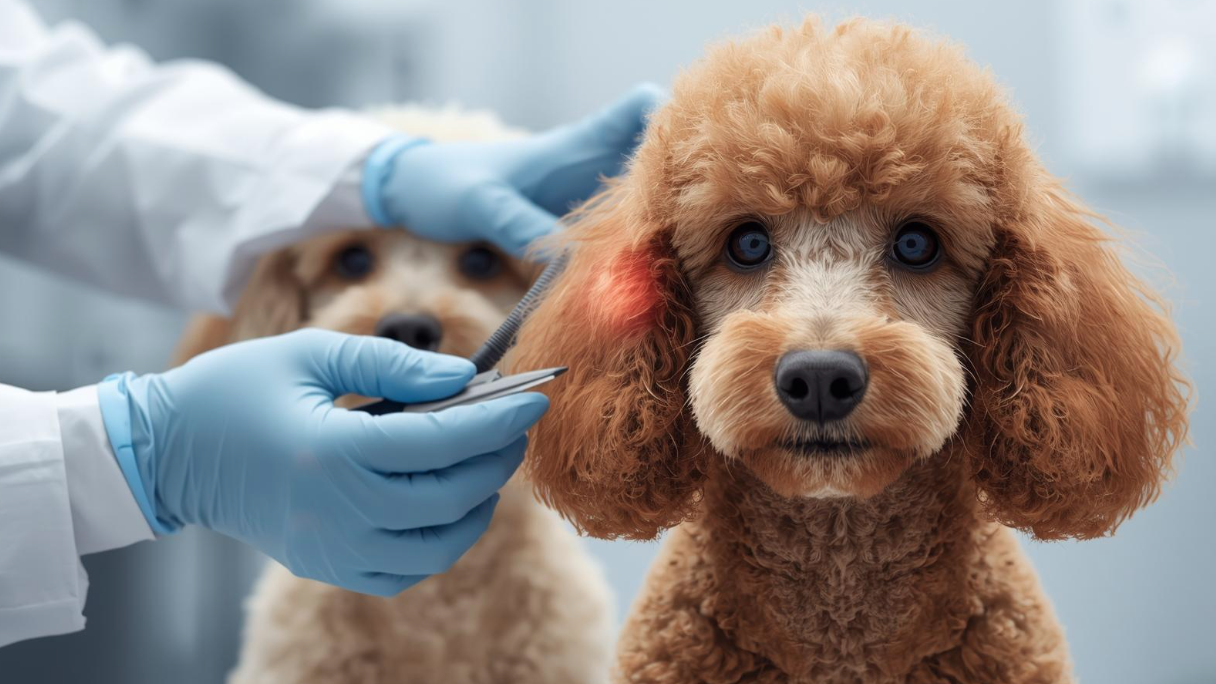
Dogs with recurring ear problems often live in a frustrating cycle. The ears flare up. Medication helps briefly. Then the itching, redness, and head shaking return. Many owners assume infections are the root issue. In reality, allergies are frequently the real culprit.
Dog allergy ear testing exists to break this cycle. Instead of treating symptoms repeatedly, testing looks deeper. It identifies triggers that inflame the ears and weaken their natural defenses. Once those triggers are known, long-term relief becomes possible.
If your dog’s ears seem to suffer again and again, understanding allergy testing could change everything.
Why Chronic Ear Issues Often Point to Allergies
Ear infections rarely act alone. In many dogs, they are secondary problems. Allergies create inflammation first. Then moisture, wax, and bacteria follow.
When allergens enter the body, the immune system reacts. Skin becomes inflamed. Ear canals swell. Wax production increases. As airflow decreases, yeast and bacteria thrive. Over time, infections repeat.
Because of this pattern, dog allergy ear testing plays a crucial role. It identifies what fuels inflammation instead of masking the aftermath.
Signs That Allergy Testing May Be Needed
Some ear problems resolve quickly. Others refuse to disappear. Knowing the difference matters.
Frequent head shaking is a common clue. Persistent scratching follows. Redness, swelling, and odor often appear next. In severe cases, thick discharge develops.
Additionally, dogs may show other allergy signs. Paw licking increases. Skin rashes appear. Digestive upset may occur. When ear issues pair with these symptoms, allergies should be suspected.
At that point, dog allergy ear testing becomes a logical next step.
How Allergies Affect the Ear Environment
Ears are sensitive ecosystems. Allergies disrupt that balance quietly but consistently.
Inflammation thickens the ear canal lining. Glands produce excess wax. Moisture becomes trapped. As a result, the ear turns into an ideal breeding ground for microbes.
Because this environment remains inflamed, infections recur despite treatment. Without addressing the allergen, the cycle continues. Therefore, testing targets the cause rather than the consequence.
Common Allergens That Trigger Ear Problems
Allergens vary widely. Some come from the environment. Others hide in food.
Environmental allergens include pollen, mold spores, dust mites, and grasses. Seasonal flare-ups often point here. Food allergens involve proteins like chicken, beef, dairy, or grains.
In many dogs, multiple triggers exist. Dog allergy ear testing helps separate assumptions from facts. Knowing the exact trigger allows for precise management.
The Purpose of Dog Allergy Ear Testing
Testing does not diagnose infections. Instead, it identifies allergic sensitivities.
By pinpointing allergens, veterinarians tailor treatment plans. These plans aim to reduce inflammation long-term. As inflammation decreases, ear health improves naturally.
Rather than guessing, testing provides clarity. That clarity saves time, discomfort, and repeated medication cycles.
Types of Allergy Testing Used for Dogs
Several testing options exist. Each serves a different purpose.
Blood tests measure immune responses to specific allergens. They are convenient and widely used. Intradermal skin testing involves injecting small allergen amounts into the skin. Reactions are observed directly.
Food trials differ. They eliminate suspected ingredients over time. Although slower, they remain the gold standard for food allergy diagnosis.
Your veterinarian chooses the method based on history, symptoms, and practicality.
Blood Testing for Dog Allergy Ear Issues
Blood tests are popular due to convenience. A single sample provides insight into environmental triggers.
Results reveal sensitivity levels to various allergens. While not perfect, these tests guide treatment decisions effectively. They are especially useful for dogs with year-round ear issues.
However, food allergies are less accurately detected through blood tests. For those cases, diet trials work better.
Still, dog allergy ear testing via blood panels often forms the first step.
Intradermal Skin Testing Explained
Skin testing offers detailed results. Small allergen doses are injected just under the skin. Reactions appear as swelling or redness.
This method closely mirrors human allergy testing. It is considered highly accurate for environmental allergens. Sedation is often required to keep dogs comfortable.
Because of cost and complexity, skin testing is usually reserved for severe or persistent cases.
Food Allergy Testing and Ear Health
Food allergies commonly affect ears. In fact, chronic ear inflammation often signals dietary sensitivity.
Unfortunately, blood and saliva tests lack reliability here. Elimination diets remain the best tool. Over several weeks, dogs eat a limited-ingredient diet. Symptoms are monitored closely.
When ear health improves, triggers are slowly reintroduced. This process identifies the culprit with confidence.
Although patience is required, food trials provide lasting answers.
Preparing Your Dog for Allergy Testing
Preparation varies by test type. Blood tests require minimal preparation. Skin tests may require stopping certain medications beforehand.
Steroids and antihistamines can affect results. Your veterinarian will provide guidance. Following instructions carefully ensures accurate outcomes.
During preparation, ear symptoms may still need management. Treatment continues while testing proceeds.
What Results from Dog Allergy Ear Testing Mean
Test results reveal sensitivities, not guarantees. A positive result shows immune reaction likelihood.
Your veterinarian interprets results alongside symptoms. This context matters. Not every sensitivity causes clinical issues.
Once triggers are identified, management plans are created. Avoidance, dietary changes, or immunotherapy may follow.
How Testing Changes Treatment Plans
Without testing, treatment remains reactive. With testing, care becomes strategic.
Medications shift from constant use to targeted support. Environmental controls reduce exposure. Diet adjustments calm inflammation.
Over time, ear infections become less frequent. Severity decreases. Some dogs experience complete resolution.
Dog allergy ear testing transforms uncertainty into direction.
Immunotherapy as a Long-Term Solution
For environmental allergies, immunotherapy offers hope. Customized allergy shots or oral drops retrain the immune system.
Small allergen doses are introduced gradually. Over time, reactions weaken. Inflammation decreases.
Although results take months, success rates are encouraging. Many dogs experience fewer ear issues and improved quality of life.
Managing Ears While Awaiting Results
Testing takes time. During this period, ear care remains essential.
Gentle cleaning reduces debris. Drying prevents moisture buildup. Medicated drops control infection temporarily.
These measures manage symptoms but do not replace testing. They simply maintain comfort while solutions develop.
The Emotional Toll of Chronic Ear Problems
Chronic discomfort affects behavior. Dogs may withdraw. Sleep becomes restless. Anxiety increases.
Owners feel helpless watching repeated flare-ups. Frustration builds.
By identifying triggers, dog allergy ear testing restores control. Relief becomes achievable rather than temporary.
Cost Considerations and Value of Testing
Testing involves upfront costs. However, repeated treatments add up quickly.
Long-term medication, frequent vet visits, and ongoing infections strain finances. Testing often reduces these expenses over time.
More importantly, it reduces suffering. Value extends beyond money.
When Allergy Testing May Not Be Necessary
Not all ear issues require testing. Single infections resolve easily. Acute problems respond well to treatment.
Testing becomes valuable when problems recur or resist therapy. Pattern recognition matters.
Your veterinarian helps decide when testing is appropriate.
Combining Allergy Testing with Lifestyle Changes
Testing works best alongside management changes.
Environmental cleaning reduces allergen load. Diet adjustments support immune balance. Grooming routines protect ear health.
Together, these steps amplify results. Dog allergy ear testing guides the process, but lifestyle completes it.
Long-Term Outlook After Testing
Outcomes vary. Some dogs achieve near-complete relief. Others manage symptoms more effectively.
What changes universally is understanding. Knowing triggers empowers better care.
With proper management, chronic ear suffering becomes manageable or disappears entirely.
Conclusion
Dog allergy ear testing offers clarity for dogs trapped in cycles of ear pain and infection. By identifying hidden triggers, it shifts care from reaction to prevention. Although testing requires time and commitment, the payoff is long-term relief, fewer infections, and improved quality of life. When ears heal because inflammation is controlled at the source, dogs thrive. For chronic ear issues, testing is not an extra step. It is often the missing one.
FAQ
1. When should I consider dog allergy ear testing?
Testing is recommended when ear infections recur or fail to respond to standard treatment.
2. Can allergy testing cure ear problems completely?
Testing identifies triggers, allowing management that often reduces or eliminates symptoms.
3. Is blood testing accurate for dog allergies?
Blood tests work well for environmental allergens but are less reliable for food allergies.
4. How long does it take to see improvement after testing?
Improvement varies, but many dogs show progress within months once triggers are managed.
5. Does every dog with ear infections need allergy testing?
No. Testing is most useful for chronic or recurring ear issues rather than isolated infections.