Dog ear infections rarely appear suddenly. Instead, they tend to develop quietly, hidden beneath excess hair, trapped moisture, or unnoticed debris. By the time symptoms become obvious, discomfort has already settled in.
Fortunately, grooming plays a central role in dog ear infection prevention. When handled thoughtfully, it protects ear health, limits irritation, and stops infections before they gain momentum. In many ways, grooming works like preventive maintenance rather than emergency repair.
With the right habits in place, prevention becomes part of daily life rather than a stressful reaction.
Why Grooming Supports Dog Ear Infection Prevention
Ears create a unique environment. Heat builds easily. Moisture lingers longer. Debris collects quickly. Because of this, grooming becomes essential.
Without regular care, wax accumulates. Dirt settles deeper. Airflow decreases. As a result, yeast and bacteria multiply rapidly. Eventually, infection follows.
By contrast, consistent grooming promotes balance. Clean ears dry faster. Skin stays calm. Early changes are noticed sooner. Therefore, dog ear infection prevention starts with simple, repeatable habits.
How Ear Infections Gradually Develop
Ear infections follow a predictable pattern. First, mild irritation appears. Allergens, moisture, or excess hair trigger inflammation. Next, wax production increases. Debris sticks more easily. Air circulation drops. Eventually, microbes thrive.
Because this process unfolds slowly, grooming interrupts it early. Instead of responding to pain, you stay ahead of it. That proactive approach defines effective dog ear infection prevention.
Dog Breeds That Need Extra Ear Grooming
Some dogs face higher risk due to anatomy. Floppy ears limit airflow. Narrow ear canals trap debris. Long hair collects dirt easily.
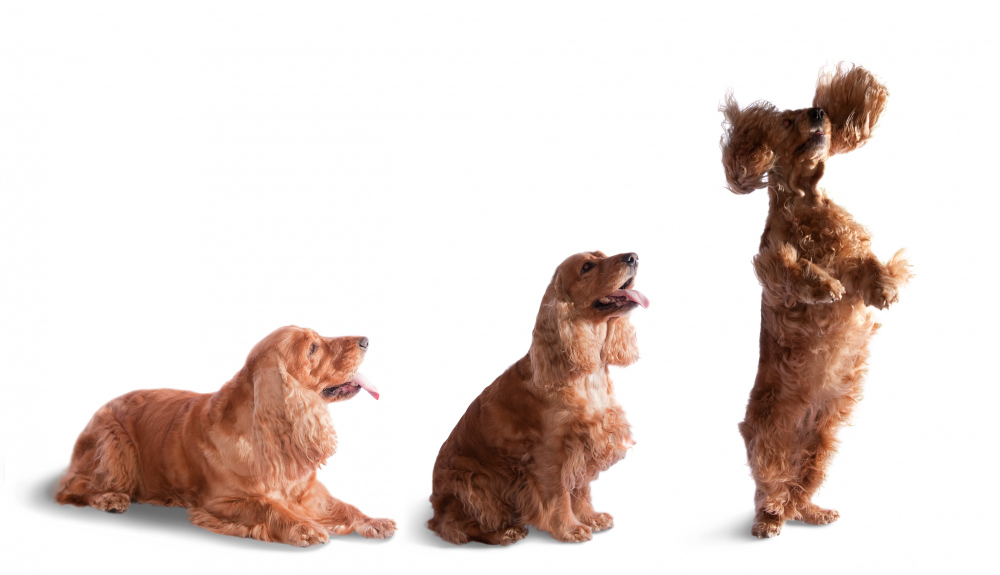
Breeds like Cocker Spaniels, Labradors, and Basset Hounds often require closer monitoring. Still, no dog is immune. Even short-eared breeds can develop problems when grooming is inconsistent.
Ultimately, breed affects risk, but routine care protects every dog.
The Impact of Ear Hair on Infection Risk
Ear hair serves a protective purpose. However, excess hair creates challenges. When hair blocks airflow, moisture remains trapped. Wax also clings more easily.
Careful trimming improves ventilation. On the other hand, aggressive plucking irritates sensitive skin. For dog ear infection prevention, balance proves more effective than complete removal.
How Often Dog Ears Should Be Groomed
Consistency matters more than frequency. Weekly inspections catch early changes. Monthly cleaning suits most dogs.
Dogs with recurring issues may need additional care. After swimming, ears should be checked promptly. During allergy seasons, monitoring becomes even more important.
Rather than guessing, allow your dog’s ears to guide the routine.
Safe Ear Cleaning Techniques That Protect Ears
Cleaning helps when done correctly. Improper methods, however, can cause harm.
Begin with a veterinarian-approved ear cleaner. Apply gently. Massage the ear base. Allow natural shaking. Then wipe excess debris with a soft cloth.
Avoid inserting cotton swabs deep inside the canal. Instead, gentle wiping supports dog ear infection prevention without irritation.
Why Over-Cleaning Increases Infection Risk
More cleaning does not equal better results. In fact, excessive cleaning strips natural oils. As a result, skin dries out. Inflammation increases.
Healthy ears regulate themselves. Therefore, cleaning should be done only when necessary. If ears appear calm and odor-free, allow them to remain undisturbed.
Drying Ears After Baths and Grooming
Moisture fuels infection. Because of this, drying is just as important as cleaning.
After baths, towel-dry ears gently. Pay attention to folds. Encourage airflow naturally. Avoid placing hair dryers close to the ear canal.
For dogs that swim often, drying becomes critical. Trapped moisture creates ideal conditions for bacteria. Effective dog ear infection prevention depends heavily on dryness.
Choosing the Right Grooming Products
Not all products suit dog ears. Many human products cause irritation.
Alcohol-based solutions dry skin aggressively. Hydrogen peroxide disrupts healthy bacteria. Scented wipes leave residue.
Instead, choose gentle, pH-balanced cleaners designed for dogs. Quality ingredients soothe rather than sting, supporting long-term ear health.
Why Regular Ear Inspections Matter
Inspection is often overlooked. Still, it reveals early warning signs.
Healthy ears appear pale pink. Odor remains minimal. Skin looks calm. Redness, discharge, or strong smells signal trouble.
By checking weekly, dog ear infection prevention becomes proactive rather than reactive.
Grooming Dogs with Allergies
Allergies increase sensitivity. Because of that, grooming must be especially gentle.
Clean only when necessary. Use soothing solutions. Keep hair trimmed to improve airflow. After outdoor play, wipe ears to reduce allergen exposure.
Together, these steps strengthen prevention for allergy-prone dogs.
The Value of Professional Grooming
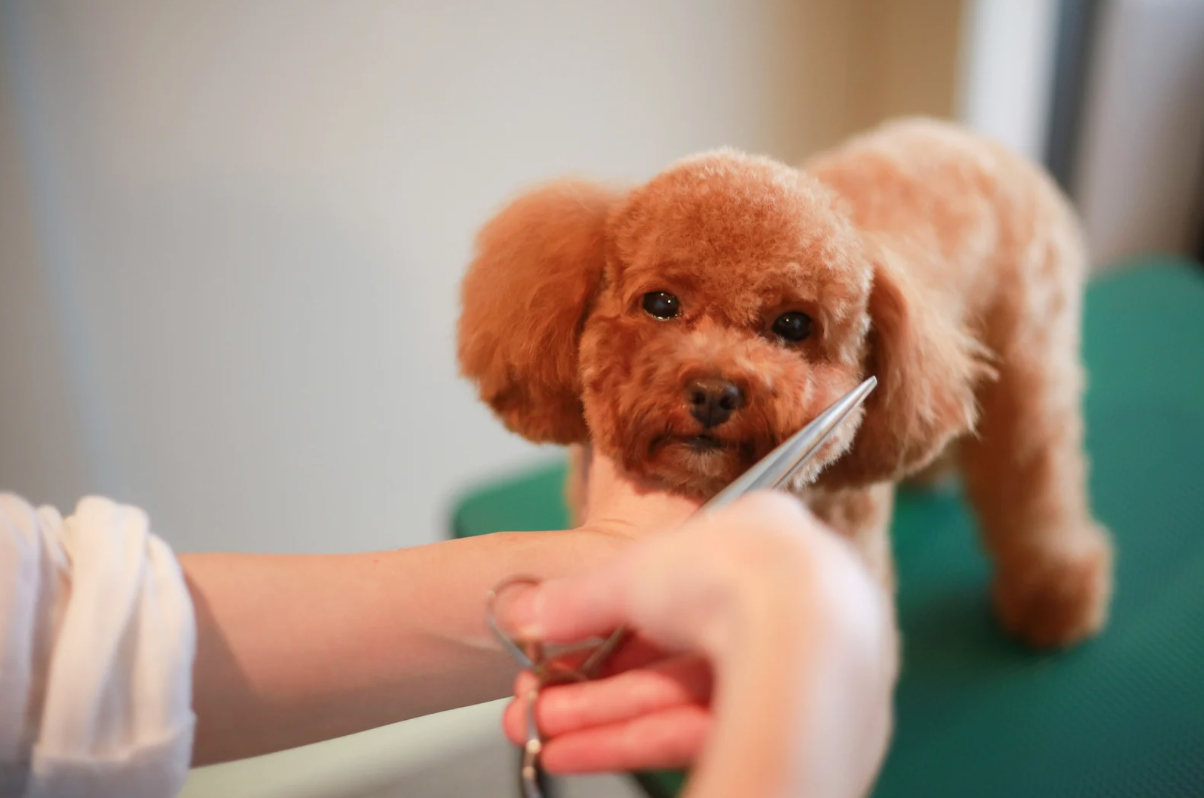
Professional groomers handle ears daily. As a result, subtle changes are often noticed early.
Regular appointments support hygiene and prevention. However, communication remains important. Share your dog’s ear history. Request gentle handling.
When owners and groomers work together, dog ear infection prevention improves significantly.
Maintaining Ear Health Between Grooming Visits
Between appointments, small habits matter.
Brush around ears regularly. Remove surface debris. Inspect skin during calm moments. Keep hair neat.
Short sessions reduce stress. Over time, grooming feels routine rather than intrusive.
Nutrition and Its Effect on Ear Health
Healthy ears start from within. Proper nutrition reduces inflammation. Omega-3 fatty acids support skin integrity. Balanced diets strengthen immunity.
When nutrition improves, ear health often follows. Consequently, grooming results last longer and flare-ups decrease.
Seasonal Grooming Adjustments
Each season introduces different risks. Summer brings moisture and pollen. Winter brings dryness and debris.
During humid months, drying becomes essential. In colder seasons, over-cleaning should be avoided. Seasonal awareness strengthens dog ear infection prevention year-round.
Early Warning Signs Revealed During Grooming
Grooming sessions reveal clues others miss.
Head shaking may increase. Scratching becomes frequent. Sensitivity appears during touch. Each sign matters.
When caught early, intervention stays simple. Waiting allows infections to deepen. Grooming serves as an early alert system.
When Grooming Alone Isn’t Enough
Sometimes, infections occur despite excellent care. Genetics, anatomy, and severe allergies contribute.
In those cases, veterinary treatment is necessary. Grooming supports recovery but does not replace medical intervention.
Knowing when to seek help protects your dog’s long-term health.
The Emotional Benefits of Healthy Ears
Chronic ear discomfort affects behavior. Dogs may withdraw. Energy drops. Sleep becomes restless.
Preventing infections restores comfort. Mood improves. Confidence returns. Grooming supports emotional well-being alongside physical health.
Creating a Stress-Free Grooming Routine
Stress undermines prevention. Gentle handling builds trust.
Use calm tones. Offer rewards. Keep sessions short. End positively.
Over time, dogs associate grooming with care rather than fear. Cooperation improves. Prevention becomes easier.
Long-Term Benefits of Dog Ear Infection Prevention
Healthy grooming habits compound over time. Infections become rare. Vet visits decrease. Costs drop.
More importantly, dogs enjoy consistent comfort and confidence. Prevention becomes part of everyday life rather than a constant concern.
Conclusion
Dog ear infection prevention begins with intentional grooming. Through regular inspections, gentle cleaning, proper drying, and mindful product choices, you protect your dog from pain and recurring infections. When grooming becomes consistent and thoughtful, ears remain healthy, comfortable, and resilient. Prevention saves stress, expense, and discomfort while giving your dog a better quality of life.
FAQ
1. How often should I clean my dog’s ears for prevention?
Most dogs need monthly cleaning paired with weekly inspections.
2. Can grooming fully prevent ear infections?
Grooming greatly reduces risk, although some infections still require veterinary care.
3. Is ear hair removal necessary?
No. Trimming improves airflow, but aggressive plucking irritates sensitive skin.
4. What signs should I watch for during grooming?
Redness, odor, discharge, head shaking, and sensitivity.
5. Do professional groomers help with prevention?
Yes. They maintain hygiene and often detect early warning signs.