Cleaning your dog’s ears might not be the most glamorous task, but it’s one of the most important. Regular ear care prevents infections, discomfort, and that unmistakable “doggy odor.” Whether your dog loves swimming, has floppy ears, or simply produces extra wax, knowing how to clean your dog’s ears safely makes a big difference in their health and happiness.
This guide walks you through everything you need to know — from understanding your dog’s ear structure to step-by-step cleaning tips that keep your pup calm, comfortable, and infection-free.
Why It’s Important to Clean Your Dog’s Ears
Understanding how to clean your dog’s ears starts with knowing why it matters. A dog’s ear canal is deeper and more curved than a human’s, which makes it easier for moisture, wax, and debris to get trapped inside.
If not cleaned regularly, that buildup can lead to:
- Ear infections caused by bacteria or yeast
- Unpleasant odors from trapped debris
- Itching and head shaking
- Hearing loss in severe cases
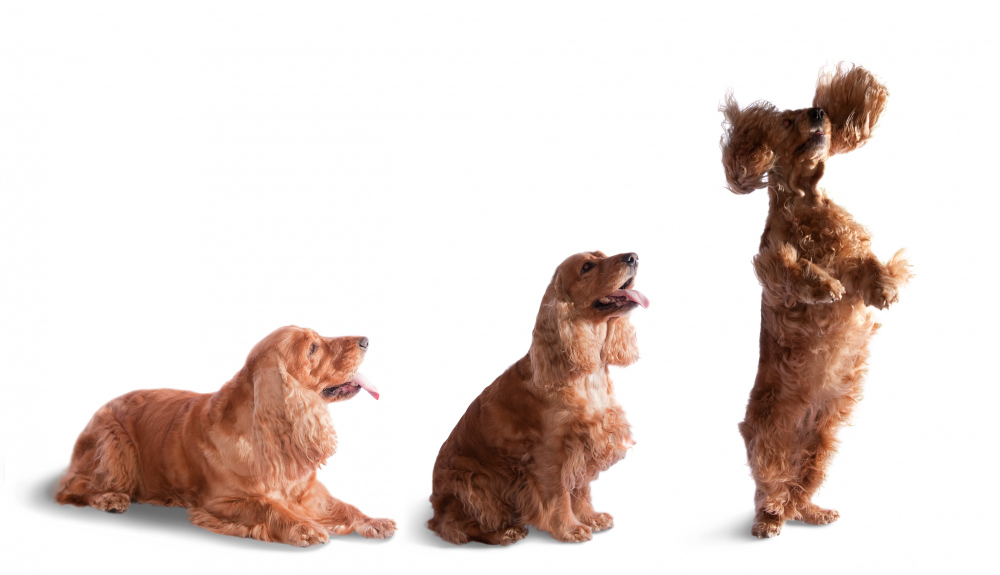
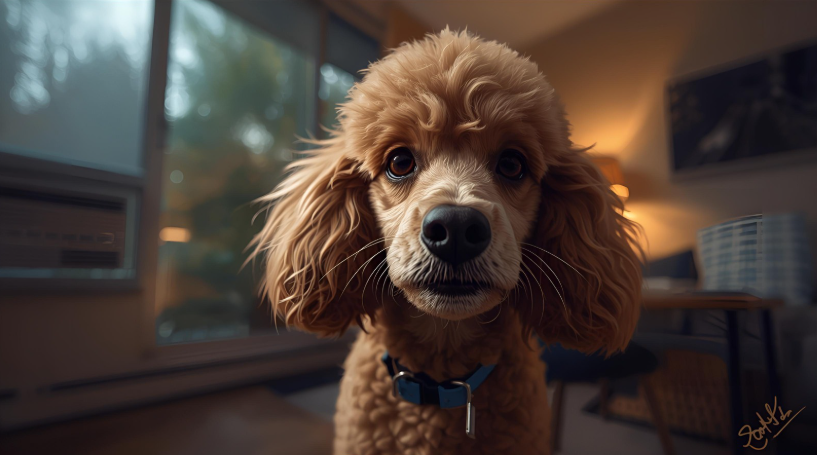
Some breeds, such as Cocker Spaniels, Basset Hounds, and Poodles, are especially prone to ear problems due to their floppy ears or heavy hair growth in the ear canal. For these breeds, cleaning is not optional — it’s part of their grooming routine.
How to Tell If Your Dog’s Ears Need Cleaning
Before you start cleaning, check if it’s even necessary. Over-cleaning can irritate the ear canal, so only clean when you see signs of buildup.
Here’s what to look for:
- Visible dirt or dark wax inside the ear
- Mild odor coming from the ear
- Frequent head shaking or ear scratching
- Slight redness (without swelling or pain)
If you notice any of these, it’s time to put your knowledge of how to clean your dog’s ears into practice. However, if the ear looks red, swollen, or smells foul, or your dog seems in pain, stop and contact your vet — these are signs of infection, not just dirt.
What You’ll Need to Clean Your Dog’s Ears
Gathering the right tools makes ear cleaning easier for both of you. Here’s what you should have before starting:
- Dog-specific ear cleaner: Avoid alcohol or hydrogen peroxide; use a vet-approved ear solution.
- Cotton balls or gauze: For wiping out debris safely.
- Towel: To catch splashes or hold your dog gently.
- Treats: Essential for rewarding cooperation.
Avoid using cotton swabs (Q-tips). They can push debris deeper into the canal or injure your dog’s ear.
Step-by-Step Guide: How to Clean Your Dog’s Ears
Now that you’re prepared, let’s go through exactly how to clean your dog’s ears safely and effectively.
Step 1: Get Your Dog Comfortable
Pick a quiet space and keep your supplies nearby. Have your dog sit or lie down. If they’re nervous, speak calmly and let them sniff the ear cleaner bottle so they feel more at ease.
Step 2: Examine the Ears
Gently lift each ear flap and look inside. Check for redness, swelling, or discharge. If the ear looks irritated or smells bad, stop — you might be dealing with an infection that requires vet treatment.
Step 3: Apply the Cleaner
Hold the ear flap upright and gently squeeze enough ear-cleaning solution into the canal to fill it (usually just a few drops). Avoid letting the bottle tip touch the ear.
Step 4: Massage the Base
For about 20–30 seconds, gently massage the base of the ear. You’ll hear a squishing sound — that’s the cleaner breaking up wax and debris inside.
Step 5: Let Your Dog Shake
Step back and let your dog shake their head. It might get messy, but this step helps loosen debris naturally.
Step 6: Wipe Out Debris
Use a cotton ball or gauze to wipe out any visible dirt or fluid from the inner ear flap and entrance of the canal. Repeat on the other ear.
Step 7: Reward Your Dog
Praise your dog and offer a treat. Positive reinforcement helps your pup associate ear cleaning with a good experience, making future cleanings much easier.
How Often Should You Clean Your Dog’s Ears?
The answer depends on your dog’s breed, activity level, and ear type.
General guidelines:
- Floppy-eared breeds: Clean once a week.
- Dogs that swim often: After every swim session.
- Short-haired or upright-eared breeds: Once or twice a month.
If your dog produces a lot of wax, has allergies, or is prone to ear infections, your vet may recommend a more frequent schedule.
Tips to Make Ear Cleaning Easier
Learning how to clean your dog’s ears is just the first step. Making the process stress-free takes a few extra tricks:
- Start early: Get puppies used to ear handling early in life.
- Stay calm: Dogs mirror your energy. Speak softly and move slowly.
- Use positive reinforcement: Reward after each step, not just at the end.
- Make it routine: Regular cleaning feels less stressful than occasional deep cleans.
If your dog resists strongly, don’t force it. Take breaks, and try again later when your dog is relaxed.
When to See a Vet Instead of Cleaning at Home
Sometimes, ear issues go beyond simple cleaning. If your dog has an ear infection, you could make it worse by attempting to clean it yourself.
Contact your vet if you notice:
- Strong, foul odor
- Redness or swelling
- Yellow or brown discharge
- Head tilting or balance problems
- Yelping or pulling away during cleaning
Your vet can diagnose the cause and prescribe medicated ear drops or antibiotics if needed.
Common Mistakes to Avoid
Even if you know how to clean your dog’s ears, a few missteps can cause irritation or injury. Avoid these common errors:
- Using human products like hydrogen peroxide or vinegar.
- Over-cleaning — doing it too often can dry out and irritate the skin.
- Skipping ear drying after swimming or baths.
- Poking too deep with cotton balls or wipes.
- Ignoring bad smells or discharge, assuming it’s just dirt.
Safe ear care means being gentle, consistent, and observant.
Conclusion
Now that you know how to clean your dog’s ears safely, you can make it a simple and positive part of your grooming routine. Regular ear cleaning not only prevents infections but also keeps your dog comfortable, alert, and happy.
A few minutes every week can save you costly vet visits and ensure your dog’s ears stay healthy for years to come. With patience, calmness, and consistency, your dog will soon learn to relax and even enjoy the process.
FAQ
1. How do I know if my dog’s ears are dirty?
Look for wax buildup, mild odor, or your dog scratching or shaking their head frequently.
2. Can I use baby wipes to clean my dog’s ears?
Only if they’re unscented and safe for pets. Avoid wipes with alcohol or fragrances.
3. What ear cleaner is best for dogs?
Use a vet-approved, alcohol-free ear cleaner designed for dogs to avoid irritation.
4. Should I clean my dog’s ears after swimming?
Yes. Moisture from swimming can cause infections, so always dry and clean afterward.
5. What happens if I don’t clean my dog’s ears?
Wax and debris can lead to painful infections, bad odors, and even hearing loss over time.