Elegant, intelligent, and endlessly charming, the Poodle is one of the most versatile and beloved dog breeds in the world. But did you know that there isn’t just one type of Poodle? In fact, there are three main poodle varieties — Toy, Miniature, and Standard — each with its own distinct charm and personality.
From the tiny lap-sized Toy Poodle to the athletic and regal Standard Poodle, these dogs share the same sharp minds and curly coats but differ greatly in size and lifestyle needs.
In this guide, we’ll explore the fascinating poodle varieties from toy to standard, uncovering their origins, traits, and what makes each one special.
A Brief History of the Poodle
Before diving into the differences, it helps to understand where the Poodle’s story began.
The breed originated in Europe — most likely Germany, though it’s famously associated with France. The word “Poodle” comes from the German “Pudel” or “Pudelin,” meaning “to splash in water.” Poodles were originally bred as water retrievers, helping hunters collect ducks and other game from ponds and lakes.
Their intelligence, trainability, and athleticism made them ideal working dogs. Over time, they became symbols of refinement and elegance, beloved by European nobility.
Today, the Poodle comes in three official size varieties, recognized by major kennel clubs like the American Kennel Club (AKC):
- Toy Poodle
- Miniature Poodle
- Standard Poodle
All three share the same breed standard in appearance and temperament — the only difference is size.
1. Toy Poodle: The Pocket-Sized Performer
The Toy Poodle is the smallest of all poodle varieties, but don’t let their size fool you — they pack a big personality into a tiny body.
Size and Appearance
- Height: Up to 10 inches tall at the shoulder
- Weight: 4–6 pounds
Their petite frame and expressive eyes make them one of the most popular small dog breeds worldwide.
Personality and Traits
Toy Poodles are incredibly alert, affectionate, and people-oriented. They form strong bonds with their owners and thrive on attention. Despite their delicate appearance, they’re surprisingly confident and energetic.
They excel in obedience, tricks, and even agility — proving that intelligence doesn’t depend on size.
Ideal For:
- Apartment dwellers
- Singles or seniors
- Families who want a playful yet manageable companion
Fun Fact: Toy Poodles were bred from Miniature Poodles in the 18th century to be companions for the French aristocracy.
2. Miniature Poodle: The Perfect Balance
Sitting between the Toy and Standard in size, the Miniature Poodle offers the best of both worlds — small enough for indoor living but sturdy enough for active play.
Size and Appearance
- Height: 10–15 inches at the shoulder
- Weight: 12–20 pounds
Miniatures have the same iconic curly coat as their larger cousins, which is hypoallergenic and low-shedding. Their compact build makes them agile, athletic, and easy to manage.
Personality and Traits
Miniature Poodles are known for their keen intelligence and adaptability. They’re fast learners and love problem-solving games or agility exercises.
While affectionate, they can also be independent, making them slightly less clingy than Toy Poodles. They’re great with children and other pets when socialized early.
Ideal For:
- Families with active lifestyles
- Dog sports enthusiasts
- Owners seeking a smart, medium-sized companion
Fun Fact: Miniature Poodles were often used in circuses during the 19th century thanks to their intelligence, trainability, and flair for performance.
3. Standard Poodle: The Original Athlete
The Standard Poodle is the largest and oldest of the three varieties — the foundation of the breed. Bred originally as a water retriever, this variety combines power, elegance, and grace.
Size and Appearance
- Height: Over 15 inches (typically 22–27 inches)
- Weight: 45–70 pounds
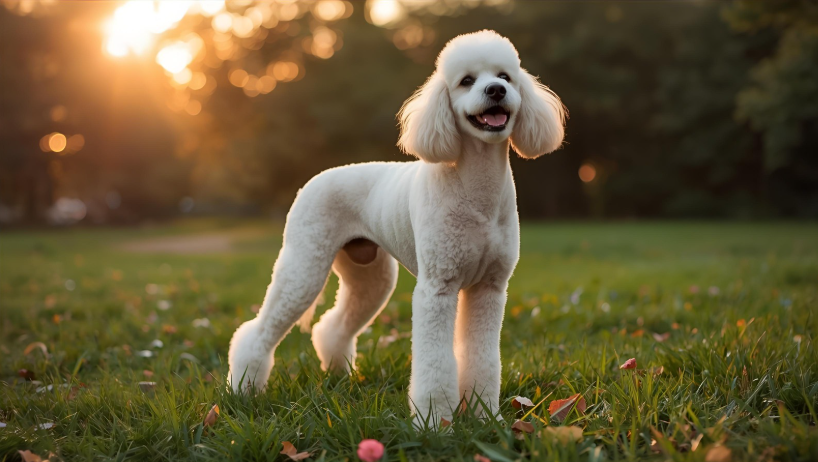
They’re tall, lean, and strong, with long legs and a regal carriage. The famous Poodle “clip” (the pom-poms and shaved sections) was first designed to help them swim efficiently while protecting vital organs and joints from cold water.
Personality and Traits
Standard Poodles are incredibly athletic, loyal, and highly intelligent. They’re natural problem-solvers with a gentle, people-focused temperament. They bond deeply with their families and enjoy being part of every activity.
Their energy level makes them ideal for outdoor adventures — whether running, hiking, or swimming. Despite their elegant look, they’re playful, social, and surprisingly goofy.
Ideal For:
- Active individuals or families
- Homes with outdoor space
- Owners who want an affectionate, loyal companion
Fun Fact: Standard Poodles are often used as therapy, service, and search-and-rescue dogs because of their intelligence and gentle nature.
Similarities Across All Poodle Varieties
No matter the size, every Poodle shares certain core characteristics that make this breed so remarkable.
1. Intelligence and Trainability
Poodles are ranked among the top three most intelligent dog breeds. They learn commands and routines quickly and excel in obedience training.
2. Hypoallergenic, Curly Coats
Their tightly curled coats shed very little, making them a great choice for allergy sufferers. Regular grooming is essential, though, to prevent matting.
3. Playful, Loving Personalities
Whether Standard, Miniature, or Toy, Poodles are affectionate, friendly, and love to be the center of attention.
4. Long Lifespans
Poodles are known for longevity — Toy Poodles often live 14–17 years, Miniatures 13–16, and Standards 12–15 years.
5. High Energy and Emotional Intelligence
These dogs thrive on mental and physical stimulation. They’re incredibly intuitive, often sensing their owner’s emotions and responding with empathy.
Choosing the Right Poodle for You
When deciding between the poodle varieties from toy to standard, consider your lifestyle, space, and activity level.
| Lifestyle | Best Fit | Why |
|---|---|---|
| Apartment living or limited space | Toy Poodle | Small size, minimal exercise needs |
| Families with children or moderate activity | Miniature Poodle | Balanced temperament and energy |
| Active, outdoor-loving households | Standard Poodle | Athletic build and endurance |
Regardless of size, all Poodles need mental stimulation, companionship, and regular grooming to stay healthy and happy.
Grooming and Maintenance Tips
Poodles are famous for their beautiful coats — but maintaining them requires effort.
Basic care includes:
- Brushing 3–4 times per week to prevent matting
- Professional grooming every 4–6 weeks
- Regular ear cleaning (Poodles are prone to ear infections)
- Nail trims and dental care
Keeping a grooming schedule ensures your Poodle looks elegant and feels comfortable year-round.
Health and Lifespan Considerations
While Poodles are generally healthy, each variety has specific tendencies to watch for.
Common health concerns include:
- Hip dysplasia (especially in Standards)
- Progressive Retinal Atrophy (PRA)
- Addison’s disease
- Epilepsy
- Ear infections due to floppy ears
Feeding a balanced diet, providing regular exercise, and scheduling annual vet checkups are key to maintaining your Poodle’s long-term well-being.
Fun Poodle Facts
- Poodles are one of the oldest dog breeds recognized by the AKC.
- Their intelligence makes them popular in Hollywood films and dog shows.
- They’re incredible swimmers — many still love retrieving toys from water.
- Poodles come in a wide range of colors: white, black, apricot, silver, brown, red, and more.
- Many designer breeds (like Goldendoodles and Labradoodles) owe their intelligence and coat type to Poodles.
Conclusion
From the tiny Toy Poodle to the majestic Standard Poodle, each variety brings its own unique charm to the table. Whether you want a lap companion, a family entertainer, or an athletic partner, there’s a Poodle for every lifestyle.
What unites them all is their intelligence, loyalty, and elegance — qualities that have made them one of the world’s most adored breeds.
Whichever size you choose, you’ll gain not just a pet but a lifelong friend — one that’s stylish, smart, and full of heart.
FAQ
1. Which Poodle variety is easiest to train?
All Poodles are highly trainable, but Miniature and Standard Poodles tend to learn fastest due to their working-dog backgrounds.
2. Do Poodles shed?
No, Poodles are considered low-shedding. Their curly coats trap hair, which is removed during grooming.
3. Are Toy Poodles good with kids?
They can be, but due to their small size, gentle supervision is needed around young children.
4. How often should I groom a Poodle?
Every 4–6 weeks professionally, with brushing several times a week to prevent tangles.
5. Which Poodle lives the longest?
Toy Poodles generally have the longest lifespan — often 15 years or more with proper care.