If you’ve ever watched your dog scratch their ears, shake their head nonstop, or rub their face along the carpet, you might wonder what’s wrong. In many cases, it’s an ear infection — one of the most common health problems in dogs. But did you know that some breeds are naturally more prone to them than others?
Certain physical traits, genetics, and lifestyle factors make specific dog breeds more susceptible to recurring ear infections. Understanding which breeds are at higher risk and why can help you take proactive steps to keep your pet comfortable and infection-free.
Why Some Dog Breeds Are More Prone to Ear Infections
Dogs’ ear canals are shaped differently than humans’. They’re longer, bend vertically, and create a warm, moist environment where bacteria and yeast can thrive.
Some breeds are especially vulnerable due to:
- Floppy ears: These reduce airflow, trapping moisture and debris.
- Narrow ear canals: Smaller openings make cleaning and ventilation difficult.
- Hair inside ears: Excess hair catches dirt and wax.
- Allergies or skin sensitivities: Chronic inflammation increases infection risk.
- Frequent swimming: Water-loving breeds often trap moisture inside their ears.
When these factors combine, the perfect environment for ear infections is created — especially in certain breeds.
Top Dog Breeds Prone to Ear Infections
Let’s look at the breeds most commonly affected by ear infections and why they’re at risk.
1. Cocker Spaniel
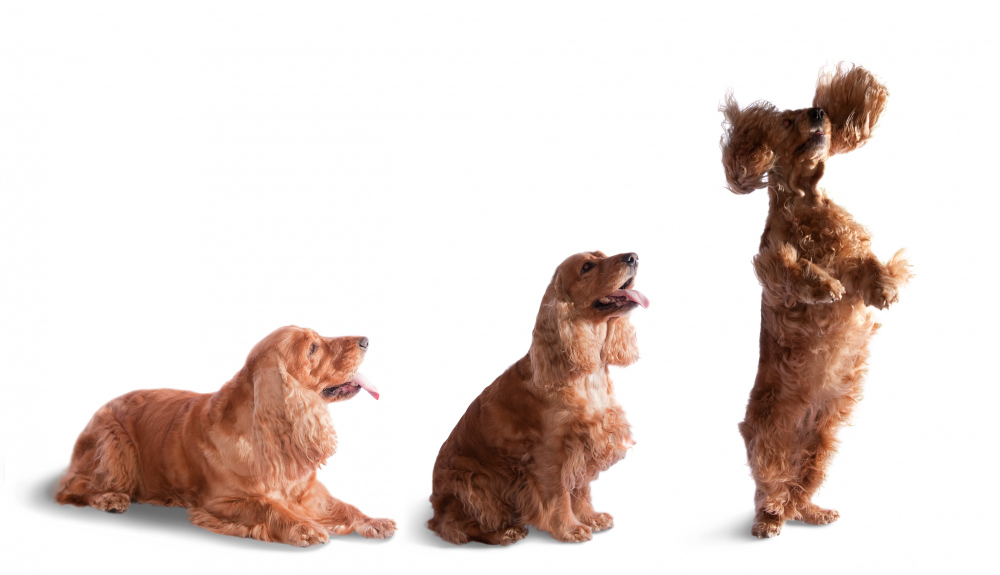
Cocker Spaniels are almost synonymous with ear infections. Their long, silky ears restrict airflow, and their naturally oily skin encourages bacterial buildup. They’re also prone to allergies, which can cause chronic inflammation inside the ear canal.
Regular cleaning, trimming excess hair, and checking for redness or odor are essential for this breed.
2. Labrador Retriever
Labs love water — and that’s part of the problem. Constant swimming traps moisture in their ears, making them a prime target for bacteria and yeast. Their floppy ears don’t help either.
Dry your Lab’s ears thoroughly after swimming or baths, and use a vet-approved ear-drying solution to prevent infections.
3. Basset Hound
Those adorable droopy ears that give Basset Hounds their charm also make them prone to ear infections. The folds of skin trap humidity, wax, and dirt.
Because their ears are close to the ground, Bassets also pick up debris more easily. Weekly cleaning and airflow are vital to keep their ears healthy.
4. Poodle and Doodle Mixes
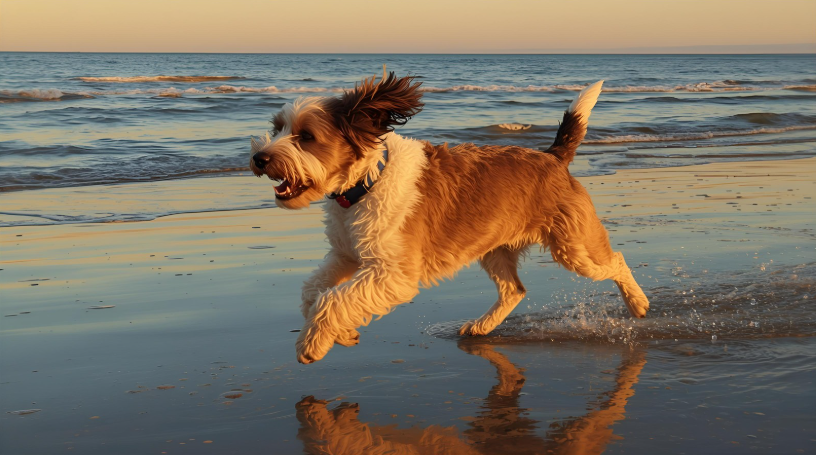
Poodles and their popular mixes (like Goldendoodles and Labradoodles) have hair that grows inside their ear canals. That hair can trap moisture, wax, and dirt, leading to infection.
Regular grooming and professional ear cleaning can help reduce the risk. Avoid plucking the inner ear hair excessively unless recommended by your vet, as it can cause irritation.
5. Golden Retriever
Golden Retrievers are active, social, and love the water — but their floppy ears and thick fur make them susceptible to ear infections. Allergies and excess moisture are common triggers for this breed.
Keep their ears dry and clean, and monitor for signs of itching or head shaking, which often appear before an infection sets in.
6. Beagle
Beagles’ signature long ears can trap heat and moisture, creating a breeding ground for bacteria. They’re also known for rolling in grass and dirt, which can introduce debris and pollen into the ears.
Consistent ear care and allergy management help prevent infections in this curious, energetic breed.
7. English Bulldog
Bulldogs may not have floppy ears, but they are still prone to ear infections due to skin folds and allergies. Their narrow ear canals can trap wax and moisture, especially during warm weather.
Cleaning the ears gently with a vet-approved solution and keeping facial folds dry can significantly reduce infection risk.
8. Shar Pei
The Shar Pei’s uniquely wrinkled skin is part of its charm, but it also leads to frequent ear problems. Their narrow ear canals and skin folds make it difficult for air to circulate properly, allowing bacteria to multiply.
Avoid over-cleaning, which can cause irritation, and work with your vet on a gentle, regular maintenance plan.
9. Bloodhound
Bloodhounds’ large, drooping ears can cover their ear canals completely, locking in moisture and debris. Combined with their love for exploring outdoors, they’re highly susceptible to ear infections.
Daily ear checks and cleaning after walks can prevent buildup and discomfort.
10. Schnauzer
Schnauzers — especially Miniature Schnauzers — can suffer from ear infections due to excessive wax buildup and trapped hair inside the ear canal. Their predisposition to skin allergies makes infections more likely.
Regular trimming around the ear opening and allergy management are key to prevention.
Common Symptoms of Ear Infections in Dogs
If your dog’s breed falls into one of these categories, be alert for early signs of infection. Symptoms often include:
- Frequent ear scratching or pawing
- Head shaking or tilting
- Foul odor from the ears
- Redness or swelling inside the ear
- Discharge (yellow, brown, or black)
- Sensitivity when touching the ears
Early detection can prevent painful complications like ruptured eardrums or chronic ear inflammation.
How to Prevent Ear Infections in Prone Breeds
Prevention is always better than treatment. Here are simple but effective ways to keep your dog’s ears healthy:
- Clean regularly: Use a vet-approved ear cleaner once or twice a week.
- Dry thoroughly: Always dry your dog’s ears after swimming or bathing.
- Trim hair: Keep ear hair short to allow ventilation.
- Manage allergies: Work with your vet to control food or environmental allergies.
- Check weekly: Look for redness, odor, or wax buildup before infections start.
Avoid using cotton swabs deep inside the ear canal, as they can push debris further in or damage sensitive tissue.
When to See a Veterinarian
If you notice persistent head shaking, pain, or discharge, don’t attempt home remedies without guidance. Some infections require prescription ear drops, antibiotics, or antifungal treatments.
In chronic or severe cases, your vet may recommend diagnostic tests like ear cytology or allergy screenings to pinpoint the cause.
Conclusion
Some dog breeds are simply more prone to ear infections than others due to their anatomy, habits, and genetics. From the floppy ears of Cocker Spaniels to the narrow canals of Shar Peis, each breed presents unique challenges.
But with regular care, early detection, and consistent cleaning, you can protect your dog from discomfort and long-term damage. Understanding your breed’s risks is the first step toward keeping their ears — and their tail — healthy and happy.
FAQ
1. Why do some dogs get ear infections more often?
Breeds with floppy ears, narrow canals, or allergies trap more moisture and debris, increasing infection risk.
2. How can I prevent my dog’s ear infections?
Clean and dry the ears regularly, manage allergies, and keep hair trimmed around the ear openings.
3. Can diet affect ear infections?
Yes. Dogs with food allergies may develop chronic ear inflammation. Switching to hypoallergenic food may help.
4. Are ear infections contagious between dogs?
No, typical ear infections aren’t contagious. However, parasites like ear mites can spread between pets.
5. How often should I clean my dog’s ears?
For breeds prone to ear infections, clean them once a week or after swimming, using vet-approved solutions only.