Does your dog shake their head a lot, scratch their ears, or suddenly avoid being touched? These could be early warning signs of ear infections in dogs — a common yet painful condition that can quickly worsen without care.
Ear infections are one of the top reasons dogs visit the vet, and while some cases are mild, others can lead to hearing loss or chronic pain if ignored. The good news? Catching the symptoms early makes treatment simple and recovery fast.
In this guide, we’ll cover the 8 most common signs of ear infections in dogs, what causes them, and how to keep your dog’s ears healthy for life.
Why Ear Infections Are So Common in Dogs
Before exploring the warning signs of ear infections in dogs, it’s helpful to understand why they happen so often.
A dog’s ear canal is shaped like an “L” — deep, curved, and warm. This design traps moisture, debris, and bacteria, creating the perfect breeding ground for infection.
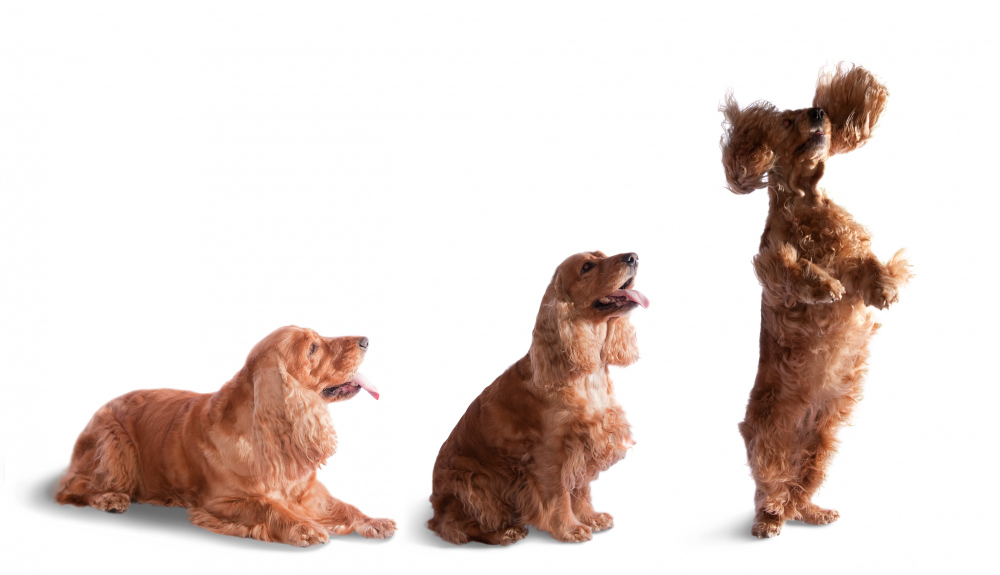
Some breeds, especially those with floppy ears like Cocker Spaniels, Golden Retrievers, and Basset Hounds, are even more prone because their ears retain more humidity and less airflow.
Common causes include:
- Allergies (food or environmental)
- Excess moisture from swimming or bathing
- Excessive ear wax buildup
- Ear mites or parasites
- Foreign objects like grass seeds
- Hormonal or skin disorders
Knowing what triggers infections helps you prevent them — but recognizing the warning signs of ear infections in dogs is what ensures early intervention.
1. Frequent Head Shaking
One of the first and most noticeable signs of ear infections in dogs is constant head shaking.
If your dog is repeatedly shaking their head as if trying to get something out, it’s a clear sign something inside the ear canal feels uncomfortable.
This motion is their way of trying to relieve irritation or remove trapped debris. Unfortunately, excessive shaking can cause even more inflammation or hematomas (blood blisters) in the ear flap, so early treatment is important.
What to do:
Inspect your dog’s ears for redness or debris and consult your vet if shaking continues beyond a day or two.
2. Persistent Ear Scratching
If your dog constantly scratches or paws at their ears, take it seriously. It’s one of the most obvious warning signs of ear infections in dogs.
The itch is usually caused by inflammation, yeast buildup, or an allergic reaction. Over time, scratching can cause open sores or scabs, making the infection worse.
What to do:
Avoid letting your dog over-scratch. Use an Elizabethan collar if necessary and schedule a vet appointment to identify the cause.
3. Redness and Swelling
Healthy dog ears should look pale pink and clean. If you notice redness, swelling, or irritation inside the ear canal or around the edges, that’s a clear warning sign of ear infections in dogs.
Redness means the tissues are inflamed — often due to bacteria or yeast overgrowth. In severe cases, the swelling can narrow the ear canal, trapping more debris inside.
What to do:
Check your dog’s ears weekly. If redness appears along with heat or discharge, seek veterinary help before it progresses.
4. Unpleasant Odor
A bad smell coming from your dog’s ears is a telltale sign something isn’t right.
Healthy ears should have little to no scent. A sour, yeasty, or foul odor usually indicates infection — often from bacteria or yeast multiplying in the ear canal.
What to do:
Never try to mask the smell with perfumes or wipes. Instead, schedule a vet visit for a proper cleaning and ear culture to find the root cause.
5. Discharge or Ear Wax Buildup
Excessive ear wax or any kind of discharge (yellow, brown, or black) is one of the clearest signs of ear infections in dogs.
You might notice thick residue, crusts around the ear opening, or a sticky fluid deep inside. Some dogs even develop pus-filled discharge if the infection becomes severe.
What to do:
Use a clean cotton pad to gently check the outer ear — never insert cotton swabs. If you see colored debris or thick buildup, let your vet clean it safely.
6. Sensitivity to Touch
Dogs with ear infections often yelp or pull away when you touch their ears or head. This is because the inflamed tissue inside is extremely sore.
If your dog flinches or cries during petting, grooming, or while putting on their collar, it could be one of the more painful warning signs of ear infections in dogs.
What to do:
Stop handling the area and contact your vet. Forcing cleaning or touching can worsen the pain or damage the ear canal.
7. Balance Problems or Head Tilting
When an infection spreads from the outer to the middle or inner ear, it can affect balance.
If your dog starts walking unevenly, leaning to one side, or constantly tilting their head, this may indicate the infection has reached deeper structures in the ear.
This symptom is more serious and requires immediate attention. Ignoring it could lead to long-term nerve damage or partial hearing loss.
What to do:
See your vet right away. Inner ear infections may require antibiotics or anti-inflammatory medications.
8. Unusual Behavior or Lethargy
Behavioral changes often go hand in hand with infection pain. A normally playful dog may become withdrawn, irritable, or less active. They might even refuse food or show signs of restlessness at night.
These subtle shifts in mood can indicate discomfort from ongoing ear pain.
What to do:
Monitor your dog’s behavior and energy levels closely. If their personality suddenly changes along with other symptoms on this list, an ear infection is likely the culprit.
How Vets Diagnose Ear Infections
When you visit your vet, they’ll examine your dog’s ears using an otoscope — a small lighted instrument that lets them see inside the canal.
They may also take swabs to check for bacteria, yeast, or mites under a microscope. In chronic cases, allergy testing or imaging may be recommended.
Once the cause is clear, your vet will prescribe ear drops, antifungal or antibiotic medication, and possibly anti-inflammatory treatments to reduce pain.
How to Prevent Future Ear Infections
The best way to protect your dog’s ears is through regular maintenance and observation. Prevention goes a long way in avoiding painful infections.
Here’s what you can do:
- Clean ears weekly: Use a vet-approved ear cleanser and cotton pads.
- Dry ears after baths or swimming: Moisture encourages bacteria growth.
- Check for redness or odor: Early detection stops infection before it spreads.
- Maintain a healthy diet: Nutrition strengthens immunity and skin health.
- Trim ear hair if needed: Improves airflow and reduces wax buildup.
By making these steps part of your routine, you can reduce your dog’s risk of developing infections significantly.
When to See a Veterinarian
If your dog shows two or more warning signs of ear infections, don’t wait. Infections can worsen quickly and cause permanent damage if untreated.
Seek immediate care if you notice:
- Pus or bloody discharge
- Head tilting or balance issues
- Sudden hearing loss
- Persistent odor or pain despite cleaning
Prompt treatment prevents chronic problems and restores comfort fast.
Conclusion
Ear infections are painful but entirely preventable when caught early. Knowing the warning signs of ear infections in dogs — from head shaking and odor to discharge and redness — gives you the power to act before things escalate.
Regular ear checks, gentle cleaning, and quick attention to symptoms will keep your dog healthy, happy, and free from unnecessary pain.
Your dog depends on you to listen to the small signals they can’t express in words — and when it comes to ear health, those signs are worth hearing.
FAQ
1. How can I tell if my dog’s ear infection is serious?
If your dog has balance issues, hearing loss, or severe swelling, it’s likely a deeper infection that needs immediate vet care.
2. Can I clean my dog’s ears at home?
Yes, but only use vet-approved solutions. Avoid cotton swabs and deep cleaning that could injure the ear canal.
3. Do ear infections in dogs go away on their own?
No. Without treatment, they can worsen and cause chronic damage. Always consult your vet.
4. Are some breeds more prone to ear infections?
Yes. Dogs with floppy ears or thick hair, like Cocker Spaniels and Golden Retrievers, are more susceptible.
5. How often should I check my dog’s ears?
Inspect your dog’s ears once a week for redness, odor, or discharge to catch problems early.