
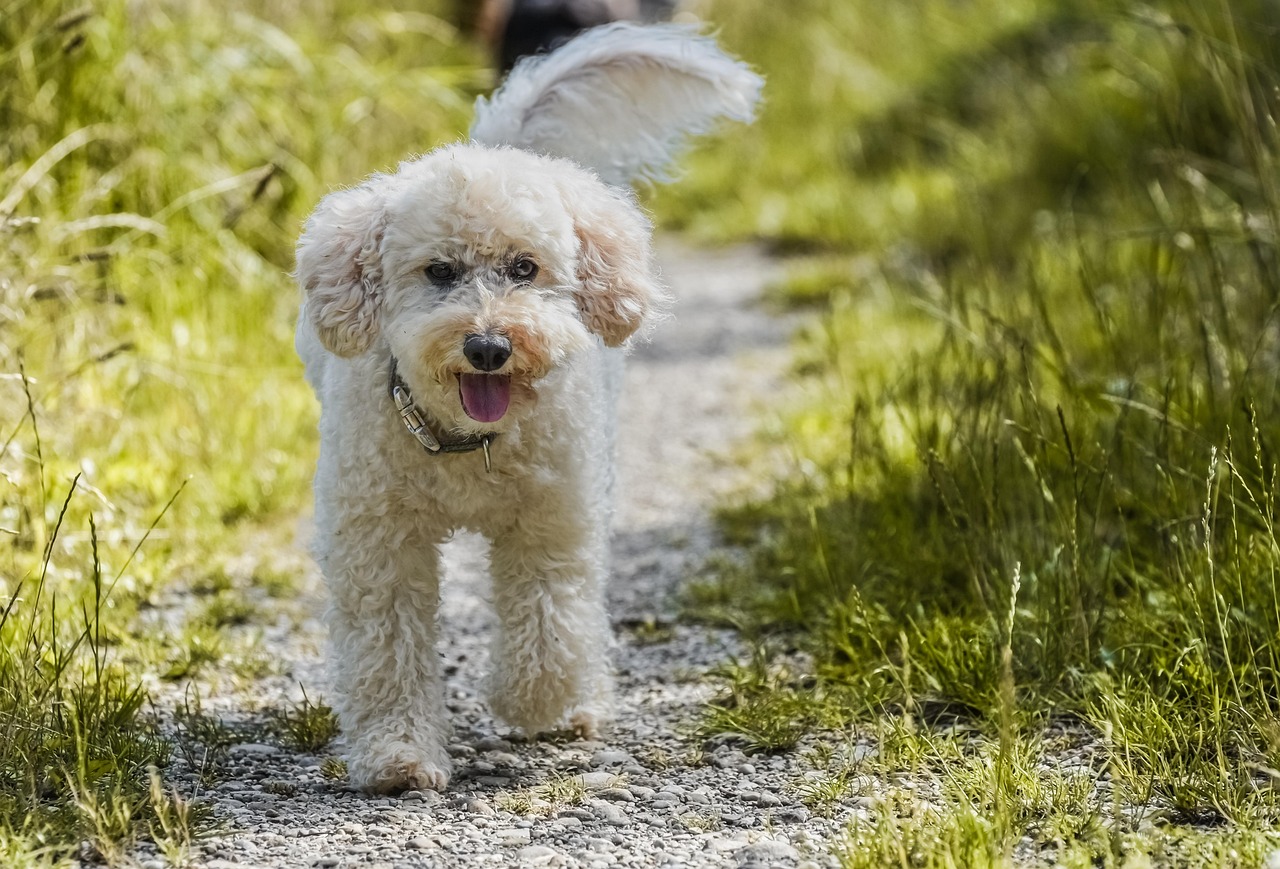
Understanding and Alleviating Poodle Separation Anxiety
Separation anxiety in poodles is a common yet often misunderstood condition. It can lead to significant behavioral issues and distress both for the pet and the pet owner. By understanding the symptoms, causes, and effective strategies for management, owners can improve the quality of life for their beloved pets and ensure a healthier, happier coexistence.
Recognizing the Symptoms of Poodle Separation Anxiety
Separation anxiety primarily manifests when poodles are left alone or separated from their owners. Symptoms can range from mild to severe, and recognizing these signs is the first step to addressing the issue:
- Destructive Behavior: This includes chewing on furniture, scratching doors and windows, or tearing up household items.
- Excessive Vocalization: Persistent barking, howling, or whining in your absence indicates high anxiety levels.
- Pacing or Restlessness: Continuous movement in a fixed pattern can be a sign of stress.
- Accidents Indoors: Well-trained poodles may start urinating or defecating in the home when experiencing separation anxiety.
- Escaping Behavior: Attempts to escape from the house or crate to reunite with the owner are common among anxious dogs.
Understanding the Causes Behind Separation Anxiety in Poodles
There are numerous factors that can contribute to the development of separation anxiety in poodles, such as:
- Lack of Training: Incomplete training on how to be alone can leave a poodle feeling insecure when their owner is away.
- Changes in Routine: Poodles are creatures of habit and sudden changes in their daily routine can trigger anxiety.
- Past Trauma: Rescue dogs, in particular, may have had traumatic experiences related to abandonment or isolation.
- Breed Characteristics: Poodles are highly intelligent and sensitive, making them more prone to anxiety-related disorders.
Preventive Measures to Counteract Separation Anxiety
Prevention is always better than cure when it comes to managing separation anxiety in Poodles. Here are some effective strategies:
- Create a Safe Space: Design a comfortable area where your poodle can feel secure when you are not around. This could be a crate or a special room in your home.
- Gradual Desensitization: Slowly get your poodle accustomed to being alone by starting with short departures and gradually increasing the time away.
- Routine Establishment: A predictable schedule for activities like feeding, walks, and playtime can help reduce stress.
- Interactive Toys: Provide toys that engage their mind and help pass the time more quickly while they are alone.
Training Techniques to Alleviate Poodle Separation Anxiety
Training is a vital component in managing separation anxiety. Consider the following techniques:
- Obedience Training: Basic commands can improve trust and reduce anxiety in uncertain situations.
- Cue Conditioning: Teach your poodle a word or action that you reliably use to signal your return, helping them understand that you will come back.
- Professional Help: A dog behaviorist or a professional trainer can provide personalized strategies tailored to your dog’s specific needs.
What to Avoid When Dealing with a Separated Anxious Poodle
Avoid actions that might exacerbate the anxiety like:
- Punishment: Never punish your poodle for behaviors caused by anxiety as this can worsen the situation.
- Fussing When Leaving or Returning: Dramatic departures or greetings can create more stress around the act of leaving.
- Leaving for Too Long: If possible, avoid extended periods of separation, especially in the initial training phases.
Utilizing Supportive Technologies and Resources
Advancements in pet care technology offer various tools and resources to comfort your poodle during times of separation, such as:
- Surveillance Cameras: Monitor and interact with your poodle remotely to reassure and calm them.
- Smart Toys: Intelligent toys that can dispense treats or engage your dog in activities can be excellent aids.
- Mobile Applications: Apps that remind you to check in on your poodle or provide interactive engagement are useful.
Conclusion
Understanding and addressing separation anxiety in poodles requires patience, compassion, and consistent effort from the pet owner. Recognizing the signs early and implementing preventative measures can significantly mitigate the effects of anxiety. Rest assured, with the correct strategies and support, you can help your poodle overcome separation anxiety and lead a joyous and stress-free life.
Encourage fellow poodle owners to share their experiences and tips, further enhancing the community’s collective knowledge and support for our sensitive and beautiful companions.