Choosing between Toy and Miniature Poodles can feel deceptively simple. They look similar. They share intelligence, elegance, and that unmistakable poodle charm. Yet once daily life begins, the differences become clear. Size shapes behavior. Energy changes routines. Emotional needs vary.
This comparison of toy vs miniature poodles goes beyond measurements. It explores how these dogs think, feel, and live. If you are deciding which poodle fits your home, your pace, and your heart, understanding these nuances matters.
Understanding the Poodle Personality Foundation
Before comparing sizes, it helps to understand what makes poodles special. Poodles rank among the most intelligent dog breeds. They learn quickly, remember routines, and read human emotions well.
This intelligence comes with sensitivity. Poodles notice tone changes. They react to stress. Calm leadership creates calm dogs. Inconsistent environments create confusion.
Whether toy or miniature, poodles thrive on connection. However, size influences how that connection is expressed.
Toy vs Miniature Poodles at a Glance
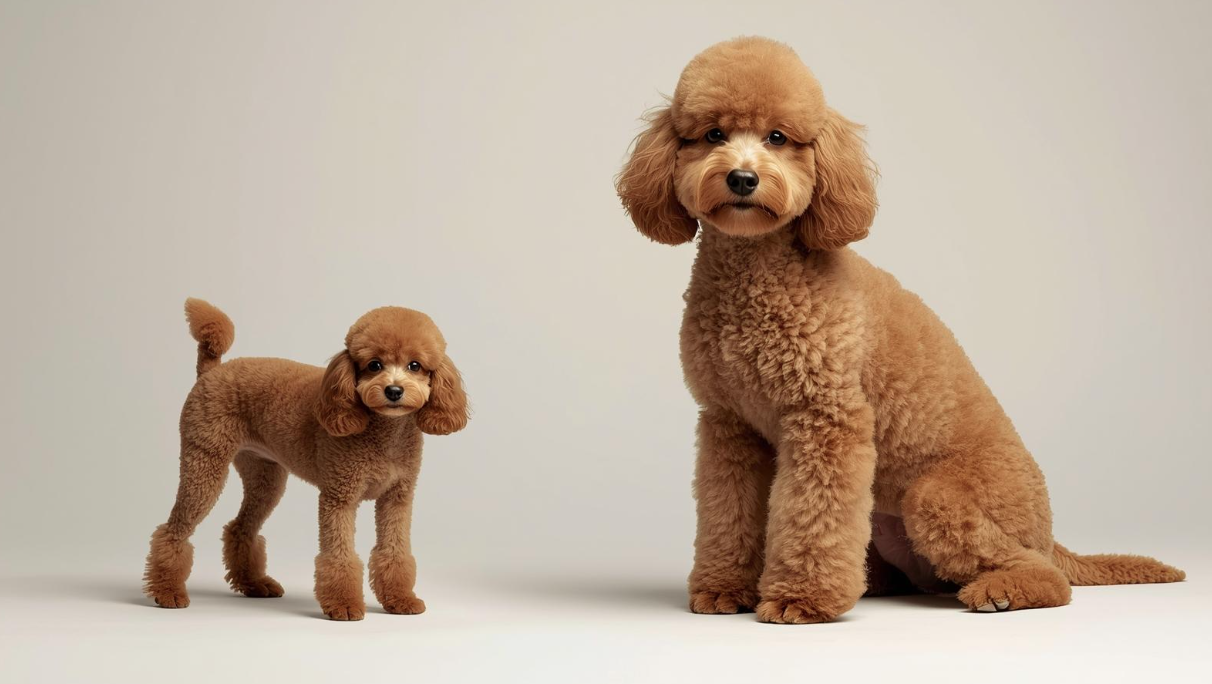
Toy Poodles stand under ten inches tall. Miniature Poodles reach ten to fifteen inches. While the difference sounds small, its impact is not.
Toy Poodles live close to their humans, physically and emotionally. Miniature Poodles balance closeness with independence. Both sizes remain affectionate, yet the way they show it differs.
This toy vs miniature poodles comparison helps clarify those everyday differences.
Temperament Differences Between Toy and Miniature Poodles
Temperament defines daily life. Toy Poodles tend to be highly people-focused. They seek reassurance and closeness. Their loyalty feels intense.
Miniature Poodles display more confidence. They still bond deeply but handle independence better. This confidence often results in calmer reactions.
In this toy vs miniature poodles discussion, emotional regulation stands out as a key distinction.
Energy Levels and Activity Needs
Energy shapes schedules. Toy Poodles have bursts of playful energy followed by rest. They enjoy short walks and indoor games.
Miniature Poodles require more consistent activity. Longer walks, training sessions, and playtime suit them well.
Matching energy expectations prevents frustration. A mismatch can lead to restlessness or anxiety.
Toy vs Miniature Poodles in Apartment Living
Apartment dwellers often consider poodles. Toy Poodles adapt easily to small spaces. Their size suits compact living.
Miniature Poodles also adapt well but need more exercise. Without it, boredom may appear.
Noise sensitivity matters too. Toy Poodles may bark more if anxious. Training helps reduce this tendency.
Training Style and Learning Pace
Both sizes excel at training. However, approach matters. Toy Poodles respond best to gentle encouragement. Harsh corrections may overwhelm them.
Miniature Poodles handle structure well. They enjoy challenges and problem-solving tasks.
In this toy vs miniature poodles comparison, both are eager learners, yet emotional sensitivity shapes technique.
Social Behavior Around Strangers
Toy Poodles often display cautious curiosity. They may bark initially, then warm up slowly.
Miniature Poodles approach strangers with confidence. They observe first, then engage.
Early socialization improves outcomes for both. Exposure builds trust and reduces fear.
Interaction with Children
Children and dogs require careful matching. Toy Poodles suit families with older, gentle children. Their small frames require respectful handling.
Miniature Poodles handle physical interaction better. They tolerate play and noise more easily.
This toy vs miniature poodles distinction matters for family harmony.
Grooming Needs and Tolerance
Grooming defines poodle ownership. Both sizes require regular brushing and professional trims.
Toy Poodles may resist grooming if not accustomed early. Their sensitivity demands patience.
Miniature Poodles often tolerate grooming calmly. Routine builds trust over time.
Health Considerations by Size
Health influences temperament. Toy Poodles may experience dental issues due to smaller mouths. Regular care prevents discomfort.
Miniature Poodles face fewer size-related issues but still require routine screenings.
Responsible breeding reduces inherited risks for both sizes.
Toy vs Miniature Poodles and Separation Anxiety
Separation anxiety appears more often in Toy Poodles. Their deep attachment makes alone time challenging.
Miniature Poodles tolerate separation better. Gradual independence training helps both.
Understanding this difference supports emotional well-being.
Noise Sensitivity and Barking Tendencies
Toy Poodles tend to be more vocal. Alert barking reflects awareness rather than aggression.
Miniature Poodles bark less frequently. When they do, reasons are clearer.
Training and routine reduce excessive noise for both.
Adaptability to Routine Changes
Life changes happen. Toy Poodles feel disruptions strongly. Predictability soothes them.
Miniature Poodles adapt more easily. Their confidence supports flexibility.
This toy vs miniature poodles contrast affects busy households.
Mental Stimulation Requirements
Mental exercise matters as much as physical activity. Toy Poodles enjoy puzzle toys and simple games.
Miniature Poodles crave challenges. Training drills and scent work engage their minds.
Boredom leads to behavioral issues if needs are unmet.
Compatibility with Other Pets
Toy Poodles coexist peacefully with calm pets. Their size encourages caution.
Miniature Poodles may assert themselves more. Socialization shapes interactions.
Introducing pets gradually ensures success.
Long-Term Personality Development
Toy Poodles often remain puppy-like longer. Their playfulness persists into senior years.
Miniature Poodles mature earlier. They develop steadiness over time.
Understanding this timeline sets expectations.
Travel and Lifestyle Flexibility
Toy Poodles travel easily. Their size suits carriers and short trips.
Miniature Poodles handle travel well too but need exercise breaks.
Lifestyle alignment ensures comfort on both sides.
Emotional Support and Companionship
Toy Poodles excel as emotional companions. Their closeness comforts owners.
Miniature Poodles offer balanced companionship. They support without constant dependency.
This toy vs miniature poodles distinction influences emotional dynamics.
Choosing Based on Personality Fit
Choosing the right size requires honesty. Consider time, energy, and patience.
Toy Poodles suit attentive owners who enjoy closeness. Miniature Poodles fit active lifestyles.
Neither choice is superior. Fit defines success.
Conclusion
Poodle perfection is not about size alone. It is about harmony. This comparison of toy vs miniature poodles reveals meaningful differences beneath shared intelligence and elegance. Toy Poodles offer intense affection and compact convenience. Miniature Poodles bring confidence, balance, and adaptability.
When personality aligns with lifestyle, poodle ownership becomes joyful rather than stressful. By understanding these distinctions, you choose not just a dog, but a companion who fits your life beautifully.
FAQ
1. Are Toy Poodles more fragile than Miniature Poodles?
Yes. Their smaller size requires gentler handling and awareness.
2. Which size poodle barks more?
Toy Poodles tend to bark more due to alertness and sensitivity.
3. Are Miniature Poodles easier to train?
Both are easy to train, but Miniatures handle structure better.
4. Which poodle size is better for first-time owners?
Miniature Poodles often suit first-time owners due to confidence and adaptability.
5. Do Toy Poodles get along with children?
They do best with older children who understand gentle interaction.