
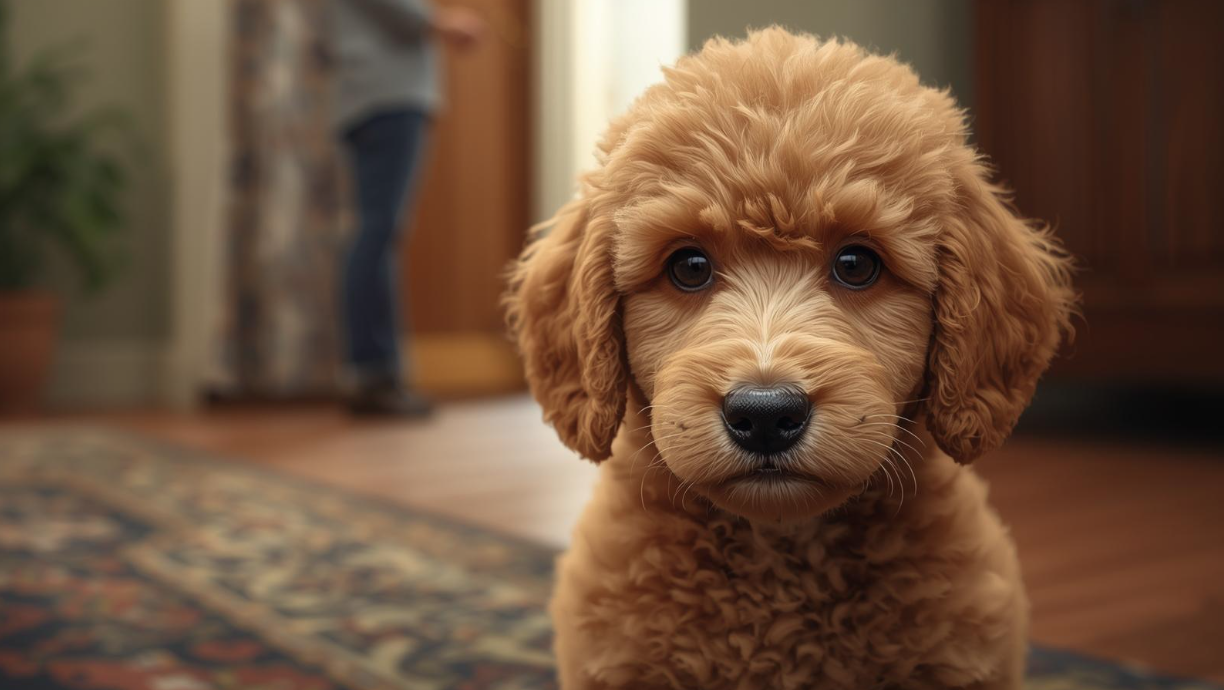
Bringing home a puppy feels like pure joy. Tiny paws follow you everywhere. Curious eyes watch your every move. That closeness is sweet, yet it can quietly create a problem if handled incorrectly. Without guidance, attachment can turn into distress the moment you step away.
Preventing puppy separation anxiety is far easier than fixing it later. Puppies learn emotional patterns early. Those patterns shape how they handle being alone for years to come. When independence is taught gently, confidence grows naturally.
The goal is simple. Teach your puppy that alone time is safe, predictable, and temporary. When done right, separation becomes uneventful instead of terrifying.
Why Preventing Puppy Separation Anxiety Matters Early
Puppies are emotional sponges. They absorb experiences quickly and deeply. Because of this, early habits stick.
If a puppy never learns to be alone, anxiety develops easily. Whining turns into panic. Restlessness becomes destructive behavior. Over time, stress worsens.
Preventing puppy separation anxiety early protects emotional health long term. Calm independence becomes the default response instead of fear.
How Separation Anxiety Develops in Puppies
Separation anxiety doesn’t appear overnight. It builds quietly through patterns.
Constant companionship teaches puppies that solitude equals danger. Sudden absences then feel shocking. The nervous system reacts intensely.
In contrast, gradual exposure teaches balance. Puppies learn that departures happen, yet returns are guaranteed. That lesson changes everything.
Normal Puppy Attachment vs. Early Anxiety Signs
Attachment is healthy. Anxiety is not. The difference matters.
Healthy puppies enjoy closeness but recover quickly when alone. Anxious puppies panic immediately. Crying, pacing, and refusal to settle appear fast.
Preventing puppy separation anxiety requires spotting early signs. Catching them early keeps emotions manageable.
The Critical Socialization Window
Early weeks shape emotional resilience. This period offers powerful opportunities.
Introducing alone time during this window normalizes separation. Puppies adapt faster. Fear has less time to grow.
Waiting too long makes change harder. Early exposure remains one of the strongest prevention tools.
Teaching Independence Without Causing Fear
Independence is taught, not forced. Gentle steps work best.
Start small. Leave the room briefly. Return calmly. Increase duration slowly.
Preventing puppy separation anxiety depends on building tolerance gradually. Confidence grows when fear never spikes.
Why Constant Attention Can Backfire
Love feels good. Too much dependence does not.
When puppies receive nonstop attention, coping skills don’t develop. Alone time feels overwhelming later.
Balanced interaction teaches flexibility. Puppies learn that attention comes and goes without consequence.
Creating a Safe Space for Alone Time
Environment shapes emotional response. Safe spaces reduce stress.
Use crates or pens positively. Add soft bedding. Include familiar scents.
Preventing puppy separation anxiety works best when alone time feels comfortable, not isolating.
Crate Training and Anxiety Prevention
Crates become refuges when introduced correctly. They offer structure and predictability.
Short crate sessions build familiarity. Calm rewards reinforce relaxation.
Never use crates for punishment. That association fuels anxiety rather than comfort.
Building Positive Associations With Departures
Departures shouldn’t feel dramatic. Emotional neutrality helps.
Avoid prolonged goodbyes. Leave calmly. Return casually.
Preventing puppy separation anxiety relies on removing emotional spikes from exits and entries.
The Role of Routine in Anxiety Prevention
Predictability builds trust. Puppies thrive on patterns.
Consistent meal times, play sessions, and naps create emotional stability.
When routines exist, alone time feels expected rather than alarming.
Gradual Alone-Time Training That Works
Progression matters more than speed. Slow steps prevent setbacks.
Begin with seconds. Move to minutes. Extend gradually.
Preventing puppy separation anxiety succeeds when puppies never reach panic thresholds.
Using Enrichment to Encourage Calm Independence
Mental stimulation reduces stress. Busy minds settle faster.
Food puzzles encourage focus. Safe chew toys promote relaxation.
Enrichment transforms alone time into productive time rather than anxious waiting.
Why Ignoring Panic Is Harmful
Ignoring severe distress teaches nothing helpful. Panic needs guidance.
If a puppy escalates, steps moved too quickly.
Adjust training instead of pushing through fear. Prevention depends on emotional safety.
Daytime Alone Time vs. Nighttime Separation
Day and night feel different emotionally. Both need training.
Daytime absences build skills. Nighttime routines reinforce security.
Preventing puppy separation anxiety includes teaching calm sleep habits early.
Managing Sleep Arrangements Wisely
Sleeping near humans feels comforting. Dependency can form easily.
Gradual distance works best. Start nearby. Increase space slowly.
Puppies learn independence while still feeling secure.
The Impact of Owner Emotions
Puppies read emotions effortlessly. Stress transfers quickly.
Calm energy reassures. Tension amplifies fear.
Preventing puppy separation anxiety includes managing your own responses carefully.
Common Mistakes That Create Anxiety
Inconsistency confuses puppies. Sudden schedule changes increase stress.
Punishment worsens fear. Overprotectiveness limits growth.
Awareness prevents accidental anxiety creation.
How Socialization Supports Emotional Balance
Balanced socialization builds resilience. Exposure to new experiences strengthens confidence.
Meeting people. Hearing sounds. Exploring environments.
Confident puppies cope better with alone time later.
When Puppies Need Extra Support
Some puppies struggle more naturally. Genetics and early experiences matter.
Extra patience helps sensitive pups succeed.
Preventing puppy separation anxiety still works with tailored pacing.
Professional Guidance and Early Intervention
Trainers and behaviorists offer valuable insight.
Early help prevents escalation. Small adjustments create big improvements.
Seeking help shows commitment, not failure.
Long-Term Benefits of Anxiety Prevention
Confidence lasts a lifetime. Calm dogs adapt easily.
Fewer behavioral issues develop. Emotional health improves.
Preventing puppy separation anxiety pays dividends for years.
Conclusion
Preventing puppy separation anxiety begins with awareness, patience, and consistency. Early habits shape lifelong emotional responses. By teaching independence gradually, maintaining routines, and responding calmly, puppies learn that being alone is safe. Confidence replaces fear. Security becomes internal. With thoughtful guidance, separation anxiety never gets the chance to grow.
FAQ
1. When should I start preventing separation anxiety in puppies?
Start immediately. Early exposure during the first weeks works best.
2. Is it normal for puppies to cry when left alone?
Brief protest can be normal. Panic or prolonged distress signals a problem.
3. Can crate training help prevent separation anxiety?
Yes, when introduced positively and gradually.
4. Should I ignore my puppy when they cry?
Mild fussing may pass, but panic should not be ignored.
5. Can separation anxiety be completely prevented?
While not guaranteed, early prevention dramatically reduces risk.