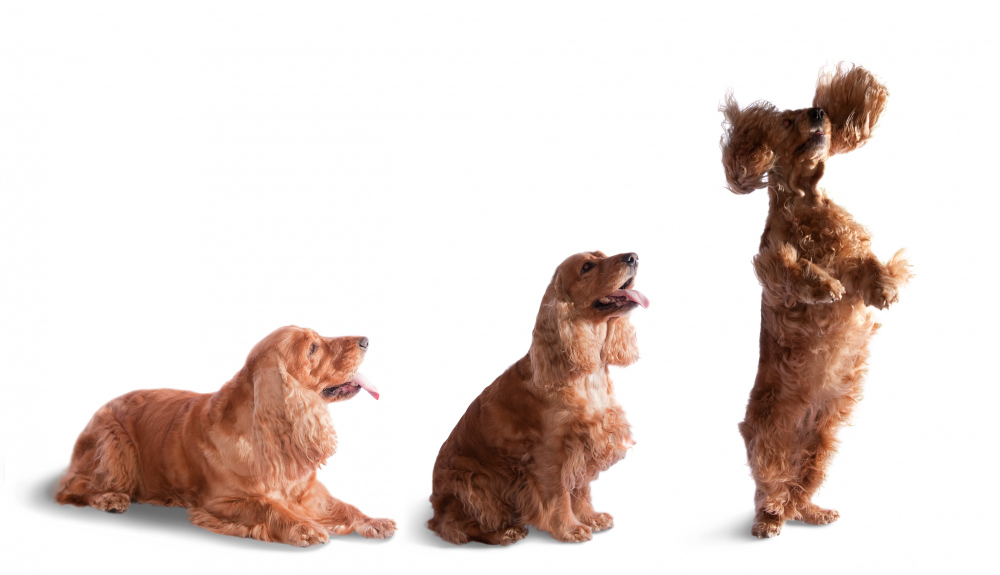
Poodles are celebrated for their remarkable intelligence and the deep, loving bonds they form with their human families. However, this very attachment can sometimes predispose them to developing Poodle separation anxiety. This condition manifests as extreme distress when a Poodle is left alone, leading to a range of challenging behaviors such as destructive chewing, excessive vocalization, and house soiling. Recognizing the early signs and implementing effective management strategies can significantly improve your Poodle’s well-being and, consequently, your peace of mind.
Understanding the nuances of your Poodle’s behavior is crucial. It allows you to differentiate between normal canine reactions and more serious anxiety. By doing so, you can proactively address their needs and strengthen your bond. Our goal at PoodleDogsWorld.com is to provide practical, trusted advice to help your Poodle thrive through all stages of life, including navigating emotional challenges like being left alone.
Recognizing the Signs of Poodle Separation Anxiety
It is important to distinguish between typical puppy behaviors and genuine separation anxiety. While some mild whining or barking when left alone is common for many dogs, true separation anxiety involves a more intense and consistent display of distress. Notably, these behaviors occur specifically when you are absent, not when you are present. Therefore, careful observation is key.
Common indicators of this anxiety include excessive barking, howling, or whining, which often begins shortly after your departure. Furthermore, destructive chewing, scratching, or digging, particularly around exits like doors and windows, is a strong sign. Inappropriate urination or defecation, even in otherwise house-trained Poodles, also points to distress. Moreover, you might observe pacing, drooling, or panting excessively. Some Poodles may even attempt to escape, potentially injuring themselves in the process. Observing these behaviors consistently when you are absent is a clear indicator that your Poodle is experiencing separation distress.
Behavioral Manifestations of Distress
Beyond the immediate reactions, other subtle signs can indicate a Poodle’s struggle with being alone. For example, some dogs might refuse to eat treats or play with toys that they normally enjoy when their owner is absent. This suggests a loss of interest in usual activities due to stress. Furthermore, a Poodle might greet you with an overly enthusiastic or frantic display upon your return, indicating the immense relief they feel. This can be more than just happiness; it can be a release of pent-up anxiety.
It is also worth noting that the intensity and combination of these behaviors can vary greatly among individual Poodles. Some might exhibit only a few signs, while others display a full spectrum of anxious reactions. Understanding these individual differences helps tailor your approach. If you notice your Poodle frequently vocalizing, you might find our article Why Poodles Bark: Decoding Your Poodle’s Vocalizations helpful for further insights into their communication.
Effective Management Strategies for Poodle Separation Anxiety
Managing Poodle separation anxiety often requires a multi-faceted approach, combining environmental adjustments with behavioral training. Patience and consistency are paramount for success. Begin by creating a calm and predictable departure routine that avoids excessive fanfare. Avoid long, emotional goodbyes or overly enthusiastic greetings upon your return, as these can heighten your Poodle’s emotional state.
One effective technique involves desensitizing your Poodle to your departure cues. Periodically pick up your keys, put on your coat, or open the door without actually leaving. This helps your Poodle learn that these actions do not always precede your absence. Consequently, their anxiety about these cues can diminish over time. Additionally, providing ample mental and physical stimulation before you leave is incredibly beneficial. A tired Poodle is often a calmer Poodle. Consider engaging them with a puzzle toy filled with treats or a vigorous play session to tire them out and provide a positive distraction.
Gradual Acclimation and Positive Reinforcement
Gradually increasing the time you leave your Poodle alone is a cornerstone of managing separation anxiety. Start with very short durations, perhaps just a few minutes, then slowly extend these periods as your Poodle shows comfort. This incremental exposure helps them build confidence. During these brief absences, ensure your Poodle has access to comforting items, such as your old shirt with your scent, or a calming dog bed. You can also use a camera to monitor their behavior, which provides valuable insights into their progress.
For longer periods, consider enlisting the help of a trusted dog walker or pet sitter. This ensures your Poodle receives companionship and care, preventing prolonged periods of distress. Furthermore, positive reinforcement is vital. Reward calm behavior when you return or during your desensitization exercises. This reinforces the idea that being alone can be a positive or neutral experience. Our guide on Enrich Poodle’s Mind: Advanced Strategies for Our Exceptionally Intelligent Companions offers excellent ideas for mental engagement.
When Professional Help is Needed
In more severe cases of Poodle separation anxiety, consulting with a veterinarian or a certified professional dog trainer is highly recommended. These experts can assess your Poodle’s specific situation and recommend tailored behavior modification techniques. They might suggest environmental changes, such as creating a safe den-like space for your Poodle, or specific training protocols. Occasionally, medication, in conjunction with training, may be prescribed to help your Poodle cope with extreme anxiety, especially during the initial stages of behavior modification. Always follow professional advice for these interventions.
Creating a Safe and Comforting Environment
A Poodle’s environment plays a significant role in their emotional well-being. Ensuring they have a secure and comfortable space can greatly alleviate their anxiety when left alone. Many Poodles benefit from a crate that is properly introduced and seen as a safe haven, not a punishment. The crate should be large enough for them to stand, turn around, and lie down comfortably, and it should contain soft bedding and a favorite toy. Alternatively, a small, enclosed room where they feel secure can work just as well. The key is to make this space consistently positive.
Consider using calming aids such as pheromone diffusers or calming music specifically designed for dogs. These tools can create a more tranquil atmosphere. Furthermore, ensure your Poodle has access to fresh water and is comfortable before you leave. These small details contribute to a feeling of security. A well-exercised Poodle is also less likely to be anxious. For more on keeping your Poodle active, check out Poodle Exercise Needs: Keeping Your Poodle Active and Engaged.
Long-Term Commitment to Managing Anxiety
Addressing Poodle separation anxiety is not a quick fix; it requires ongoing patience, consistency, and a deep understanding of your Poodle’s needs. By diligently applying these strategies, you can help your Poodle feel more secure and comfortable when left alone. This commitment fosters a happier, healthier, and more harmonious relationship between you and your cherished companion. Remember, every small step forward is a victory in managing their anxiety.
Ultimately, your Poodle relies on you for comfort and security. Providing them with the tools and environment to cope with being alone not only reduces their distress but also strengthens the trust they place in you. Continue to observe their behavior, adjust your strategies as needed, and celebrate their progress. The journey to overcoming separation distress is a testament to the enduring bond you share.
FAQ: Helping Your Poodle Cope with Being Alone
What causes dogs to develop separation distress?
Dogs often develop separation distress due to a strong attachment to their primary caregiver and a lack of confidence when left alone. Changes in routine, moving to a new home, or a traumatic experience can also trigger this anxiety.
How can I tell if my Poodle has genuine separation issues?
Look for consistent signs of distress that only occur when you are absent. These include destructive behavior towards exits, excessive barking or howling, inappropriate urination/defecation, pacing, or attempts to escape. If these behaviors stop when you are present, it strongly suggests a separation issue.
Are certain Poodle types more prone to anxiety when alone?
While all Poodle types can develop anxiety when left alone, their intelligent and sensitive nature makes them generally prone to forming strong attachments. Individual temperament, rather than specific Poodle size, is usually a bigger factor.
What are some immediate steps to help my anxious Poodle?
Start by creating a calm departure routine, providing engaging puzzle toys before you leave, and ensuring your Poodle has a comfortable, safe space. Gradually increase the time you’re away, and consider consulting a professional for severe cases.
Can diet affect my Poodle’s anxiety levels?
While diet isn’t a direct cause of separation distress, a balanced and nutritious diet contributes to overall well-being, which can indirectly support a calmer demeanor. Ensure your Poodle is receiving optimal nutrition for their health. For senior Poodles, specifically, Optimal Nutrition for Your Senior Poodle offers valuable insights.
When should I seek professional help for my Poodle’s separation behavior?
If your Poodle’s distress is severe, causing self-injury, significant destruction, or if your attempts to manage it aren’t showing improvement, it’s time to seek help. A certified professional dog trainer or veterinary behaviorist can provide expert guidance and develop a customized plan.