
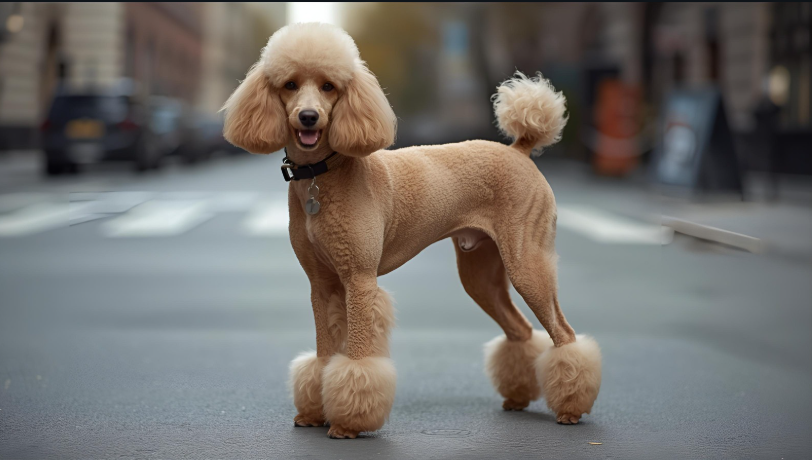
Bringing home a poodle puppy is a joyful adventure, but it also comes with challenges — especially when it’s time to leave them alone. Many poodle owners experience that heartbreaking moment when their puppy whines, barks, or scratches at the door the moment they step away. If this sounds familiar, you’re not alone.
Learning to manage poodle puppy separation anxiety early is essential for your dog’s emotional well-being. It builds confidence, promotes independence, and prevents destructive habits from forming. Throughout this guide, you’ll learn the causes behind separation stress in poodle puppies, the signs to look for, and practical steps to help your intelligent, sensitive poodle feel calm when left alone.
Understanding Poodle Puppy Separation Anxiety
Before you can effectively overcome poodle puppy separation anxiety, it’s important to understand what’s happening beneath the surface.
Poodles — whether Toy, Miniature, or Standard — are highly social, people-oriented dogs. They form deep bonds quickly and crave connection. When they are suddenly left alone, they may feel uncertain, unsafe, and confused. That emotional discomfort can trigger separation anxiety.
Because poodles are exceptionally intelligent, they also anticipate patterns quickly. If being alone consistently feels frightening, the anxiety grows stronger until it becomes a learned emotional response.
Common Signs of Poodle Puppy Separation Anxiety
Recognizing the symptoms early allows you to take action before panic becomes a long-term behavior. Look for these signs when you leave or prepare to leave:
- Continuous whining, barking, or crying
- Scratching or chewing at doors, baby gates, or furniture
- Trembling, pacing, or restlessness
- Salivating, drooling, or panting excessively
- Indoor accidents, even if potty skills are improving
- Attempts to escape confinement or crates
- Destructive chewing directed at personal items or bedding
Poodles often express anxiety vocally or through restless body language. If your poodle clings to you, follows you from room to room, or cries when you step out of sight, they may already be showing early signs of dependence that can lead to separation anxiety without proper training.
Why Poodle Puppies Develop Separation Anxiety
To successfully manage poodle puppy separation anxiety, it helps to understand why it develops. While any puppy can struggle with being alone, poodles come with breed characteristics that make them particularly sensitive.
1. High Emotional Sensitivity
Poodles are one of the most emotionally intuitive breeds. They read human body language, tone, and energy extremely well. Because they bond deeply, separation — especially sudden or unstructured — can feel overwhelming.
2. Intelligent Pattern Recognition
Poodles are brilliant problem-solvers. They quickly connect events in a sequence. If they learn that keys jingling equals you disappearing, their anxiety may spike before you’ve even reached for the door.
3. Sudden Routine Changes
If your poodle puppy goes from constant companionship to long periods of alone time, stress is almost guaranteed. Returning to work or moving homes can intensify the fear of being left behind.
4. Early-Life Trauma or Rehoming
Poodles who were weaned too early, surrendered, or moved between homes may form an over-attachment to the first stable person they meet. That bond, while beautiful, can become clingy.
5. Natural Velcro Tendencies
Many poodles love being physically close — curled beside you on the couch or following you around the house. While sweet, this sets the stage for anxiety if not balanced with intentional independence training.
Understanding these factors helps you shape a training plan that respects your poodle’s emotional needs.
How to Handle Poodle Puppy Separation Anxiety Step by Step
Now that you know why poodle puppies experience separation anxiety, let’s walk through the steps to reduce it. These techniques help your poodle build confidence and adapt to alone time in a calm, structured way.
Step 1: Start with Very Short Alone-Time Sessions
Begin by leaving your poodle puppy alone for extremely short periods — even 30 seconds. Walk out of the room, close a door, and return before panic begins. Gradually increase the duration.
Poodles respond best to gentle, predictable exposure. Returning while they’re still calm prevents anxiety from escalating and teaches your poodle that you always come back.
During these early sessions:
- Keep your energy neutral.
- Avoid lengthy goodbyes or dramatic returns.
- Increase time slowly, at your puppy’s pace.
This foundation is essential for long-term confidence.
Step 2: Create a Safe and Comfortable Space
Your poodle puppy needs a designated area where they feel secure. Poodles love comfort, routine, and familiar scents.
Good safe-space options include:
- A crate (if positively introduced)
- A puppy playpen
- A gated area of a quiet room
Add comforting elements like:
- Soft bedding with your scent
- Safe chew toys
- A heartbeat plush toy
- Low-volume white noise or soft music
Poodles often relax faster when their environment feels cozy and predictable. This space should never be associated with punishment.
Step 3: Use Positive Reinforcement to Reward Calmness
Positive reinforcement is one of the most effective ways to reduce poodle puppy separation anxiety. Whenever your puppy remains calm during short absences, reward them with quiet praise or a small treat.
Avoid rewarding clingy behaviors such as whining for attention. Instead, reinforce independence:
- Reward your poodle for resting quietly on their bed.
- Praise calm moments when you move around the house.
- Offer treats only when your puppy exhibits relaxed behavior.
This creates a powerful emotional association: calmness brings good things.
Step 4: Encourage Independence Even When You’re Home
Poodles love constant companionship, so independence must be intentionally built. Begin with simple exercises that teach your puppy they don’t need to follow you everywhere.
Try:
- Closing the bathroom door for 1–2 minutes
- Walking to another room while they stay on a bed
- Practicing “settle” or “place” training
At first, your poodle may whine or stand up. Stay calm and don’t rush back. With repetition, they will learn to self-soothe and relax without constant contact.
Step 5: Use Physical and Mental Exercise to Reduce Stress
A tired poodle is a calmer poodle. Their energetic nature and high intelligence require both physical and mental stimulation.
Include:
- Short daily walks
- Age-appropriate play sessions
- Puzzle feeders
- Snuffle mats
- Basic obedience training
Mental stimulation is especially valuable for poodles because it redirects their anxiety into problem-solving. After enrichment, alone time becomes much less stressful.
Step 6: Keep Departures and Arrivals Calm and Neutral
If you make a big deal about leaving, your poodle will too. Keep both exits and entrances low-key.
When leaving:
- Don’t hug or repeatedly say goodbye
- Don’t acknowledge whining
- Remain relaxed and quiet
When returning:
- Ignore your poodle for the first minute
- Wait until they are calm to give attention
This simple change reduces emotional spikes that fuel anxiety.
Step 7: Provide Interactive Toys During Alone Time
Poodles love mental challenges. Offering toys can distract them and make alone time enjoyable rather than stressful.
Great options include:
- Frozen KONGs
- Puzzle toys
- Treat-release toys
- Long-lasting chews
While your poodle is busy solving a puzzle, they’re less likely to fixate on your absence.
Step 8: Never Punish Anxiety Behaviors
Punishment will only deepen your poodle’s fear and worsen separation anxiety. Barking, accidents, or chewing are not signs of disobedience — they are symptoms of stress.
Instead of correcting the behavior:
- Adjust the training plan
- Reduce alone-time duration
- Increase positive reinforcement
- Strengthen structure and routine
A calm, supportive approach is essential for emotionally sensitive poodles.
Step 9: Build a Predictable Daily Routine
Poodles thrive with structure. A predictable routine helps them understand the flow of the day and reduces anxiety because they know what to expect.
Create consistency with:
- Set feeding times
- Scheduled potty breaks
- Regular walks
- Structured training sessions
- Predictable nap periods
This rhythm gives your poodle puppy a sense of stability that supports emotional security.
Step 10: Seek Professional Support When Needed
If your poodle puppy shows severe distress or the anxiety isn’t improving with training, consult:
- A certified dog trainer
- A veterinary behaviorist
- Your regular veterinarian
Some poodles benefit from additional support, such as behavioral therapy or temporary calming medications. Getting expert help early can prevent lifelong anxiety issues.
Helpful Tools for Poodle Puppy Separation Anxiety
Several tools can support your training:
- Adaptil diffusers: Provide calming pheromones.
- White noise machines: Reduce triggering environmental sounds.
- Heartbeat plush toys: Simulate maternal comfort.
- Dog cameras: Let you monitor progress and talk to your puppy.
When combined with consistent training, these tools can significantly reduce stress.
Common Mistakes That Make Poodle Separation Anxiety Worse
Avoid these pitfalls:
- Leaving your puppy for too long too soon
- Comforting anxious behavior excessively
- Allowing constant shadowing
- Expecting fast results
- Being inconsistent with routines
Remember: poodles are smart but sensitive. Gentle consistency is the key to helping them thrive.
Conclusion
Managing poodle puppy separation anxiety the right way transforms fear into confidence. With patient training, structured routines, calm responses, and positive reinforcement, your poodle learns that being alone is safe, predictable, and temporary.
Separation anxiety isn’t a sign of a “bad” or “spoiled” puppy — it’s simply a sign they need guidance. With your support, your poodle will grow into a secure, emotionally balanced dog who trusts that you’ll always return.
FAQ
1. How long does it take to reduce poodle puppy separation anxiety?
Most poodles improve within a few weeks when training is consistent and gradual.
2. Are poodles more prone to separation anxiety than other breeds?
Yes. Their intelligence and strong emotional bonds make them more sensitive to being alone.
3. Can crate training help a poodle with separation anxiety?
Yes, if introduced positively. The crate should feel safe and comforting.
4. Should I leave toys with my poodle while I’m gone?
Absolutely. Puzzle toys and frozen treats help distract and calm anxious puppies.
5. Does separation anxiety go away as poodles get older?
Not without training. Early intervention is the best way to prevent lifelong anxiety.