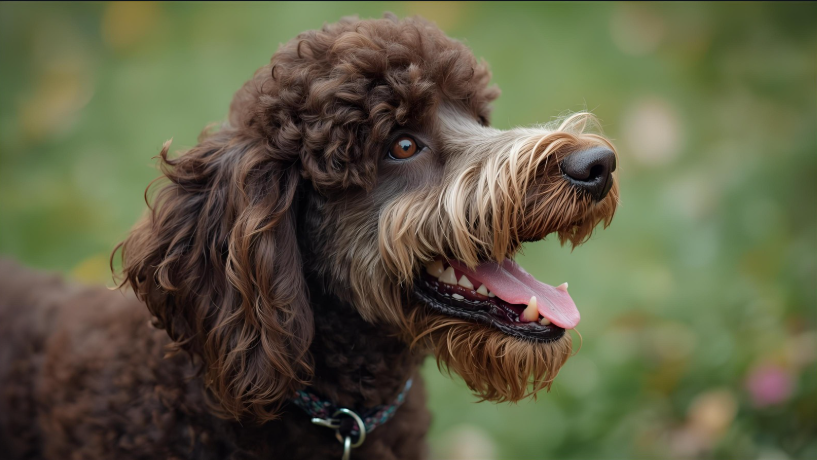
Environmental allergies are surprisingly common in poodles, and if your poodle scratches constantly, chews their paws, or shakes their head nonstop, you’re not imagining it. Poodles are one of the breeds most prone to allergy-related itching, redness, and ear problems. While the symptoms can look dramatic, the good news is that with the right knowledge and plan, you can help your poodle live an itch-free, comfortable life.
Environmental allergies in poodles happen when your dog’s immune system overreacts to everyday substances in the environment—things like pollen, dust, mold, or even the grass in your backyard. Because poodles have sensitive skin and a reactive immune system, even small allergen exposures can trigger major discomfort. Once you understand how these allergies work, you’ll be able to identify symptoms early, take preventative steps, and find treatment options that truly help.
If you’ve ever wondered why your poodle seems itchier than other dogs, this guide will give you the clarity, answers, and step-by-step support you need.
What Are Poodle Environmental Allergies?
Poodle environmental allergies—known clinically as atopic dermatitis—occur when your poodle reacts strongly to harmless particles in their surroundings. These airborne or contact allergens can land on the skin, be inhaled, or be absorbed through the paws.
Because poodles have delicate skin and a coat that can trap pollen and dust, allergens stay in contact with their skin longer, allowing irritation to intensify. Over time, repeated exposure creates a cycle of itching, inflammation, and discomfort.
Common environmental allergens affecting poodles include:
- Tree, grass, or weed pollen
- Mold spores
- Dust mites
- Human or animal dander
- Feathers
- Cleaning products
- Certain fabrics or chemicals
Unlike food allergies—which usually cause digestive issues—environmental allergies in poodles primarily affect the skin, paws, and ears.
Why Poodles Are at Higher Risk for Allergies
Poodles (Toy, Miniature, and Standard) have several breed traits that make them more vulnerable to environmental allergies:
- Sensitive, reactive skin that easily becomes inflamed
- Curly coats that trap pollen, dust, and other allergens
- High grooming frequency, increasing exposure to shampoos and products
- Genetic predisposition to atopic dermatitis
- Strong immune sensitivity compared to many other breeds
Most poodles show allergy symptoms before age three, although allergies can begin at any time, especially after prolonged environmental exposure.
Common Symptoms of Environmental Allergies in Poodles
Environmental allergies appear in several ways, but they most often affect your poodle’s skin and ears. Because poodles tend to groom themselves frequently, licking and nibbling can become excessive quickly.
Watch for these common signs:
- Constant scratching or licking
- Chewing on feet or between toes
- Red, irritated skin
- Hair loss around paws, belly, or armpits
- Watery eyes or runny nose
- Frequent head shaking
- Chronic or recurring ear infections
- Darkened, thickened skin over time
- Musty odor from yeast or bacterial infections
- Rubbing on the floor, couch, or bed
If your poodle’s itching gets worse in spring or fall, pollen allergies are likely. If symptoms continue year-round, dust mites or mold may be the culprits.
How Veterinarians Diagnose Environmental Allergies in Poodles
Diagnosing poodle environmental allergies doesn’t happen overnight. Because symptoms overlap with fleas, food sensitivities, or skin infections, vets typically follow a step-by-step approach.
1. Physical Examination
Your vet checks your poodle’s paws, belly, armpits, and ears for redness, irritation, or secondary infections.
2. Rule-Out Testing
Fleas and food allergies must be excluded first. Both can mimic environmental allergy symptoms.
3. Intradermal Skin Testing
A dermatologist injects tiny amounts of allergens under the skin to identify reactions. This is the gold standard for poodles.
4. Allergy Blood Tests
Measures antibody levels to identify possible triggers.
A proper diagnosis ensures your poodle gets the right treatment, rather than temporary fixes that only mask symptoms.
Treatment Options for Poodle Environmental Allergies
There isn’t a single cure for poodle environmental allergies, but several effective treatments can reduce symptoms and improve your dog’s comfort. The best results often come from combining multiple approaches.
Avoiding Triggers for Poodles With Environmental Allergies
Total avoidance isn’t realistic, but reducing exposure can dramatically lessen symptoms.
Try these practical strategies:
- Wipe paws and coat after walks
- Keep windows closed during pollen season
- Use HEPA air filtration
- Wash bedding weekly
- Vacuum regularly to remove dust mites
- Rinse your poodle after outdoor play
Because poodles’ coats trap tiny particles, even simple paw wiping can make a huge difference.
Medicated Shampoos and Skin Care for Poodles
Bathing plays a major role in managing poodle allergies because shampoo removes allergens trapped in their coat. Choose gentle shampoos designed for sensitive skin.
Look for products containing:
- Oatmeal
- Aloe vera
- Hydrocortisone
- Chlorhexidine
- Tea tree oil (poodle-safe formulas only)
Poodles often benefit from a bath every 1–3 weeks, depending on symptom severity. Between baths, hypoallergenic wipes help clean paws, faces, and bellies.
Antihistamines for Poodle Environmental Allergies
Many poodles respond well to antihistamines like Benadryl, Claritin, or Zyrtec. These reduce itching and irritation by blocking the body’s histamine response.
Always consult your vet for:
- Proper dosage
- Safe formulations
- Best timing for administration
Not all antihistamines work equally well for poodles, so expect some trial and error.
Prescription Medications for Poodle Allergy Relief
For moderate or severe symptoms, vets may prescribe medications that target allergy responses more effectively.
Common options include:
- Apoquel: Rapid itch relief with few side effects
- Cytopoint: Injection lasting 4–8 weeks
- Short-term steroids: Effective for flare-ups but not recommended long-term
These medications help break the itch cycle when allergies overwhelm your poodle.
Immunotherapy for Poodles With Environmental Allergies
If your poodle has chronic allergies, immunotherapy may be the most effective long-term solution. This process gradually builds tolerance using tiny doses of the allergens causing your poodle’s reactions.
Immunotherapy can be administered as:
- Allergy shots
- Oral allergy drops
Results can take several months, but it is the closest thing to a long-term cure for environmental allergies in poodles.
Supplements That Support Poodle Skin and Immune Health
Certain supplements help strengthen the skin barrier and reduce inflammation.
Helpful supplements include:
- Omega-3 fatty acids: Reduce itching and redness
- Probiotics: Support immune balance
- Biotin: Improves coat texture
- Vitamin E: Supports skin repair
Introduce supplements gradually, and always use poodle-safe products.
Natural and Home Remedies for Mild Poodle Allergy Flare-Ups
Natural remedies work best as supportive measures, not replacements for veterinary care.
Consider:
- Colloidal oatmeal baths for soothing relief
- Coconut oil for skin hydration
- Diluted apple cider vinegar for yeast-prone paws
- HEPA air filters to reduce airborne allergens
Consistency is key with natural remedies, especially for poodles with recurring symptoms.
Preventing Allergy Flare-Ups in Poodles
Environmental allergies require ongoing management. These preventative habits help:
- Bathe your poodle every 2–4 weeks
- Clean bedding and toys frequently
- Avoid peak pollen hours
- Maintain a regular grooming schedule
- Keep indoor air clean and filtered
- Rinse your poodle after playing outside
- Wipe paws daily
Small changes can significantly reduce symptom severity.
When Your Poodle Needs Veterinary Care
Seek veterinary help if your poodle shows:
- Persistent itching
- Bleeding or irritated skin
- Recurrent ear infections
- Hair loss
- Unusual odor
- Constant paw licking
Untreated environmental allergies can lead to bacterial or yeast infections that require medication.
Conclusion
Environmental allergies are common in poodles, but they don’t have to define your dog’s life. With a mix of prevention, treatment, and daily care, you can minimize flare-ups and help your poodle stay comfortable in every season. Recognizing symptoms early, understanding triggers, and building a thoughtful care routine allows your poodle to enjoy a healthier, happier life—even with allergies.
FAQ
1. Can poodles develop environmental allergies later in life?
Yes. While many show symptoms young, poodles can develop allergies at any age.
2. Are environmental allergies in poodles seasonal?
Often, yes. Pollen allergies flare in spring and fall, while dust or mold may cause year-round symptoms.
3. Can diet help with poodle allergies?
Diet can’t cure environmental allergies, but omega-3s and antioxidants support skin and immune health.
4. What’s the difference between food and environmental allergies in poodles?
Food allergies affect digestion, while environmental allergies mainly cause skin and ear symptoms.
5. Can environmental allergies in poodles be cured?
There is no complete cure, but symptoms can be managed effectively with treatment, prevention, and lifestyle adjustments.