Some dogs love attention and the pampering that comes with grooming sessions. Others? Not so much. Whether it’s the noise of clippers, the sensation of brushing, or the simple fear of being handled, certain breeds have a hard time staying calm during grooming.
If your dog hides under the couch at the sight of a brush or becomes restless at the groomer, you’re not alone. Some breeds are naturally more sensitive, stubborn, or high-maintenance when it comes to coat care. In this article, we’ll explore the dog breeds that struggle with grooming, why they find it challenging, and how you can make grooming a calmer experience for your furry friend.
Why Some Dogs Struggle with Grooming
Grooming isn’t just about looks — it’s about health. Regular brushing, bathing, and trimming help prevent tangles, mats, and skin infections. But for many dogs, the process can be stressful or uncomfortable.
Here’s why:
- Fear of equipment: Clippers, dryers, and brushes make strange noises.
- Sensitive skin: Some breeds have delicate coats that pull or irritate easily.
- Lack of early socialization: Dogs not exposed to grooming tools as puppies often fear them later.
- Long or dense coats: High-maintenance coats require frequent care that can cause discomfort.
- Strong personalities: Independent or anxious breeds don’t like being restrained.
Understanding your dog’s natural temperament and coat type helps you create a grooming routine that works for both of you.
Top Dog Breeds That Struggle Most with Grooming
Let’s look at the dog breeds that struggle with grooming — and why each one finds the process challenging.
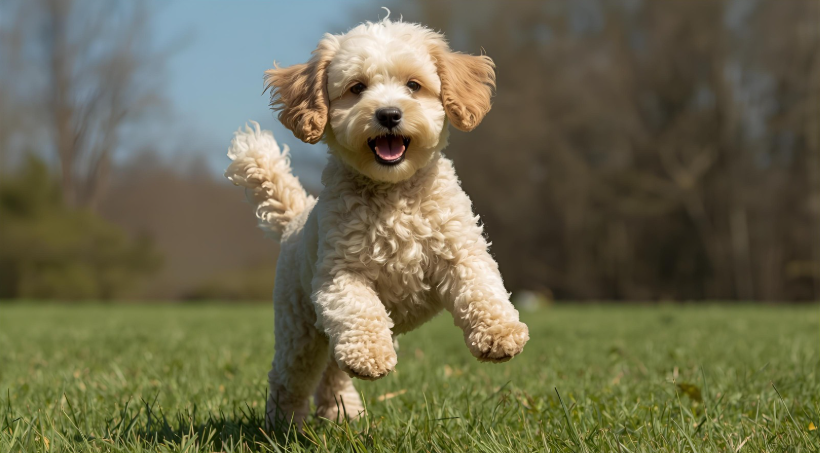
1. Poodle
Poodles are famous for their intelligence and elegance, but their curly coats require constant care. Without daily brushing, tangles form quickly, leading to painful mats.
Poodles also need professional grooming every 4–6 weeks. Many dislike the sound of clippers or the sensation of trimming, especially around the face and paws. Regular brushing at home helps reduce stress and keeps their coat manageable.
2. Shih Tzu
The Shih Tzu’s long, flowing coat looks beautiful — but it’s high maintenance. These little dogs often resist brushing, especially if their coat tangles easily or pulls on their sensitive skin.
Frequent bathing, conditioning, and trimming are essential, but can be overwhelming for them. To make grooming easier, introduce brushing sessions early and keep them short and gentle. Using detangling sprays helps minimize discomfort.
3. Afghan Hound
With their silky, floor-length coats, Afghan Hounds are stunning but extremely demanding when it comes to grooming. They require hours of brushing each week to prevent tangles and mats.
Their aloof, independent nature doesn’t help — many Afghans dislike being handled for long periods. Patience, calm energy, and positive reinforcement are crucial to making grooming tolerable for them.
4. Chow Chow
Chow Chows have dense, double-layered coats that shed heavily and mat easily. They also tend to be strong-willed and suspicious of new experiences, including grooming.
Many Chow Chows dislike brushing and blow-drying, especially if they weren’t socialized to it as puppies. Using a deshedding tool and introducing grooming slowly can help this breed learn to relax over time.
5. Bichon Frise
The Bichon Frise’s soft, cotton-like coat mats faster than almost any other breed. This means daily brushing and professional grooming every few weeks.
Unfortunately, their sensitive skin makes grooming uncomfortable if done too roughly. Their small size also makes them prone to anxiety. Keeping sessions short and rewarding them afterward can make a big difference.
6. Old English Sheepdog
With thick, shaggy coats that trap debris and moisture, Old English Sheepdogs are one of the dog breeds that struggle with grooming the most. Brushing their dense fur can take hours — and they’re not always patient.
Many develop fear of clippers and dryers due to their volume. Regular maintenance at home between professional grooming visits can prevent the process from becoming overwhelming.
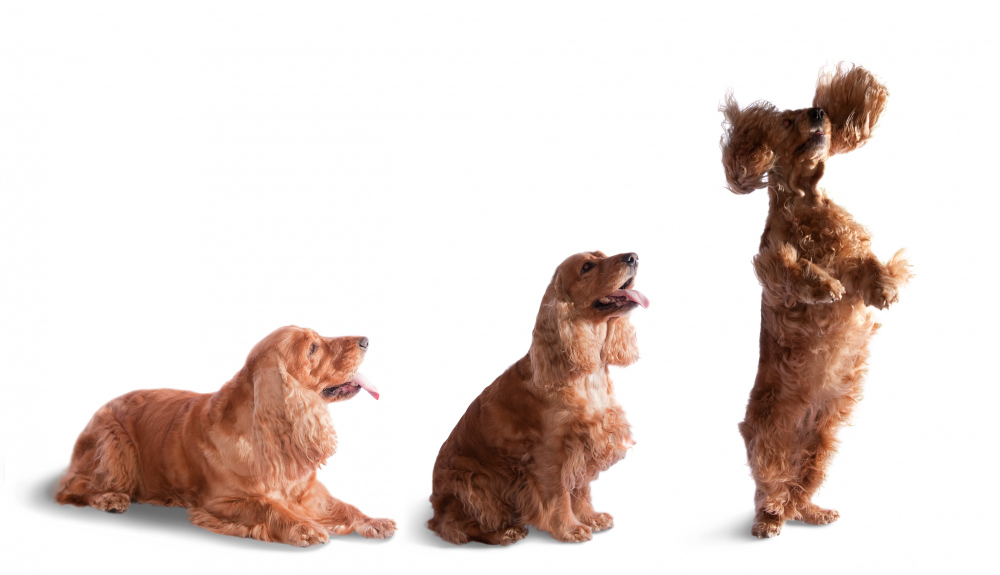
7. Cocker Spaniel
Cocker Spaniels are prone to ear infections, which makes ear cleaning uncomfortable — one reason they resist grooming. Their wavy, medium-length coats also mat quickly if not brushed frequently.
They can become anxious during grooming, especially around the ears or tail. Desensitizing them through gentle touch and using treats for positive reinforcement helps build trust.
8. Yorkshire Terrier
Yorkies have long, fine hair similar to human strands, which tangles easily. Brushing too quickly can pull at their delicate skin, making them fear the brush.
They also need regular trimming to keep the hair out of their eyes and paws, which can make them restless. Using soft brushes and scheduling frequent, shorter grooming sessions can make it less stressful.
9. Siberian Husky
Huskies may look tough, but when it comes to grooming, they can be dramatic. Their thick double coat sheds massively twice a year, known as “blowing coat.”
Brushing out dead fur can take hours, and many Huskies dislike the sound and feel of brushes or dryers. Because of their independent personalities, keeping grooming playful and rewarding helps them cooperate.
10. Maltese
The Maltese’s silky white coat requires daily brushing to prevent matting. Unfortunately, their small size and sensitive nature make them anxious during grooming sessions.
They often resist ear cleaning and nail trimming. Introducing grooming gradually and using calming techniques — like soothing voice tones and gentle handling — can reduce their stress.
11. Bernese Mountain Dog
This gentle giant has a thick double coat that traps dirt easily. Because of their size, grooming takes longer, which can make them impatient or restless.
Their undercoat sheds heavily, so regular brushing is essential to prevent matting. For best results, start with short, frequent sessions to help your Bernese build tolerance for longer grooming routines.
How to Help Dogs Who Hate Grooming
Even if your dog is one of the breeds that struggle with grooming, you can make the experience smoother and more positive with patience and training.
Start Early
Puppies that are introduced to brushing, baths, and clippers early in life are less likely to fear grooming later. Keep sessions brief and rewarding.
Use Positive Reinforcement
Reward your dog with treats, praise, or play after each session. They’ll associate grooming with something positive.
Go Slow and Gentle
Avoid rushing. Use slow, calm movements and take breaks if your dog becomes agitated.
Choose the Right Tools
Use high-quality brushes, detangling sprays, and clippers designed for your dog’s coat type. Dull or rough tools cause pain and anxiety.
Work with a Professional Groomer
A patient, experienced groomer who understands anxious breeds can make a huge difference. Ask about stress-free or “fear-free” grooming services.
Grooming Anxiety: When to Seek Help
If your dog shows signs of severe anxiety — shaking, hiding, snapping, or panting excessively — it’s time to consult your vet or a certified trainer. Some dogs benefit from anti-anxiety aids, pheromone sprays, or desensitization programs.
Behavior modification combined with consistency can turn grooming from a nightmare into a tolerable routine.
Conclusion
Grooming is essential for every dog’s health, but for some breeds, it’s a challenge. From the high-maintenance coats of Poodles and Shih Tzus to the sensitive temperaments of Huskies and Chows, many dog breeds struggle with grooming due to fear, discomfort, or stubbornness.
The key is patience, preparation, and positive experiences. By understanding your dog’s needs, introducing grooming gradually, and using the right techniques, you can transform stressful sessions into calm, bonding moments.
A relaxed dog isn’t just cleaner — they’re happier, healthier, and more confident.
FAQ
1. Why do some dog breeds hate grooming?
Some dogs dislike grooming due to fear of noise, sensitive skin, or lack of early exposure to the process.
2. Which dog breed struggles the most with grooming?
Breeds like Poodles, Shih Tzus, and Afghan Hounds are among the most challenging due to their high-maintenance coats.
3. How can I calm my dog during grooming?
Use treats, praise, and calm energy. Short, frequent grooming sessions help build comfort over time.
4. Can grooming anxiety be trained away?
Yes, gradual desensitization and positive reinforcement can teach dogs to tolerate — even enjoy — grooming.
5. How often should difficult breeds be groomed?
It depends on the coat type, but most high-maintenance breeds need professional grooming every 4–6 weeks and daily brushing at home.