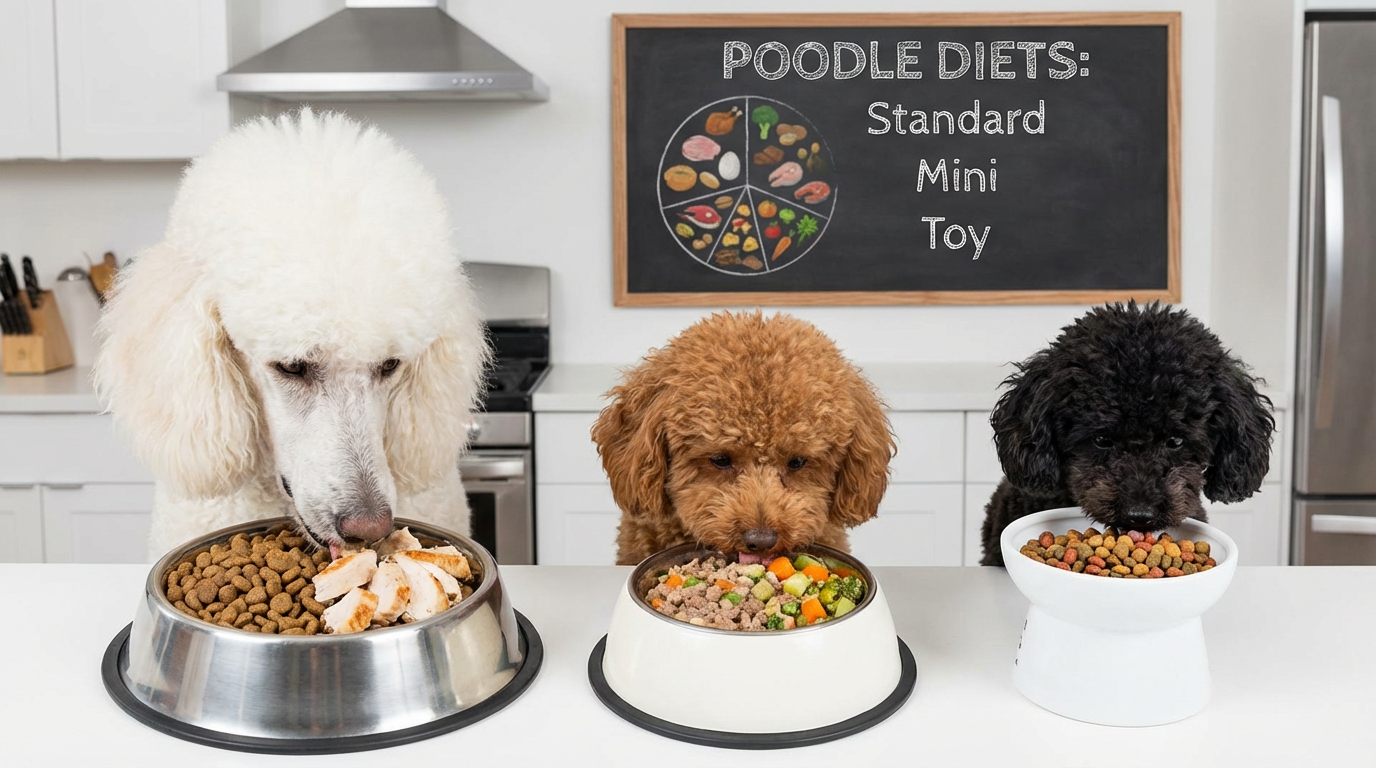
Best poodle diets are not about trends or fancy labels. They are about consistency, balance, and understanding how this intelligent breed truly thrives. Poodles live long lives when cared for well. Nutrition plays a starring role in that story.
You may notice it early. A shiny coat. Clear eyes. Steady energy. Or you may notice the opposite. Digestive trouble. Skin irritation. Mood changes. Food leaves fingerprints everywhere.
Choosing the right diet feels overwhelming. Kibble, raw, fresh, grain-free, homemade. Opinions shout from every direction. However, clarity comes when you focus on what poodles actually need, not what is marketed loudly.
This guide explores best poodle diets with a long-term lens. The goal is not perfection. It is sustainability, health, and a happy dog who feels good year after year.
Why Nutrition Matters So Much for Poodles
Poodles are sensitive dogs. Their intelligence pairs with physical sensitivity. When nutrition is off, they show it quickly.
Digestive systems react strongly to poor ingredients. Skin and ears flare with inflammation. Energy dips or spikes erratically.
On the other hand, proper nutrition supports joints, cognition, immunity, and emotional balance. Food becomes medicine when chosen thoughtfully.
Best poodle diets work with their biology instead of fighting it.
Understanding Poodle-Specific Nutritional Needs
Poodles share general canine needs but also have breed-specific tendencies.
They are prone to allergies. They can develop digestive sensitivities. Smaller poodles face dental issues. Larger poodles face joint stress.
Protein quality matters more than quantity. Fat must be balanced carefully. Micronutrients support coat and brain health.
Best poodle diets consider size, age, and individual response rather than one-size-fits-all formulas.
Protein Sources in the Best Poodle Diets
Protein builds muscle and repairs tissue. However, not all protein agrees with poodles.
Chicken is common but often problematic. Beef can be heavy. Fish, turkey, duck, and lamb are usually gentler.
Novel proteins reduce allergy risk. Rotating proteins carefully may help some dogs.
High-quality animal protein should lead the ingredient list. Plant proteins should not dominate.
Protein fuels longevity when chosen wisely.
Fat Balance for Energy and Skin Health
Fat provides energy and supports skin. Too much causes inflammation. Too little causes dryness and lethargy.
Omega-3 fatty acids reduce inflammation. Omega-6 fats support coat health. Balance matters.
Fish oil often benefits poodles. However, excess fat increases pancreatitis risk, especially in smaller varieties.
Best poodle diets strike moderation rather than extremes.
Carbohydrates: Friend or Foe
Carbohydrates spark debate. For poodles, the answer is balance.
Complex carbs provide energy and fiber. Sweet potatoes, oats, rice, and quinoa are generally well tolerated.
Highly processed fillers cause blood sugar spikes and digestive upset.
Grain-free is not automatically better. Some poodles digest grains perfectly well.
Observe your dog. Their response matters more than trends.
Fiber and Digestive Stability
Fiber regulates digestion. It feeds beneficial gut bacteria.
Too much fiber causes loose stools. Too little causes constipation.
Pumpkin, beet pulp, and certain vegetables support balance.
Digestive health reflects dietary harmony.
Best Poodle Diets by Life Stage
Nutritional needs change with age.
Puppies need higher calories and calcium balance. Adults need maintenance support. Seniors need joint, cognitive, and digestive aid.
Feeding puppy food too long strains adult bodies. Feeding adult food too early stunts growth.
Stage-appropriate diets protect long-term health.
Best Poodle Diets for Puppies
Poodle puppies grow quickly. Nutrition shapes their future.
Choose puppy formulas with controlled calcium. Avoid oversized breed formulas for small poodles.
Small, frequent meals support digestion.
Overfeeding causes joint stress later.
Slow, steady growth wins.
Best Poodle Diets for Adult Dogs
Adult poodles thrive on consistency.
Choose a balanced diet that maintains ideal weight. Monitor energy and stool quality.
Avoid frequent food changes. Stability reduces sensitivity.
Adult diets support maintenance, not growth.
Best Poodle Diets for Senior Dogs
Senior poodles slow down physically but remain sharp mentally.
Lower calories prevent weight gain. Joint-supporting nutrients matter. Digestibility becomes crucial.
Senior formulas with antioxidants support aging brains.
Comfort and longevity become priorities.
Dry Kibble in the Best Poodle Diets
High-quality kibble offers convenience and balance.
Look for named proteins. Avoid vague ingredients. Choose moderate fat levels.
Kibble helps dental health for some dogs, though brushing still matters.
Quality varies widely. Read labels carefully.
Wet Food and Fresh Diets
Wet food increases hydration and palatability.
Fresh diets offer whole-food nutrition. However, balance must be precise.
Commercial fresh food brands may simplify this option.
Improper homemade diets risk deficiencies.
Fresh food works best with guidance.
Raw Diets: Benefits and Risks
Raw diets appeal to some owners.
Supporters cite improved coats and energy. Critics warn of bacterial risks and imbalance.
Raw feeding requires education, hygiene, and supplementation.
Not every poodle tolerates raw diets well.
Proceed cautiously if considering this path.
Homemade Diets for Poodles
Homemade diets allow ingredient control.
However, nutritional balance is complex. Calcium, phosphorus, and micronutrients must align.
Veterinary nutritionists guide safe formulations.
Guessing leads to deficiencies.
Homemade works best with professional input.
Allergies and Food Sensitivities in Poodles
Poodles commonly develop food sensitivities.
Symptoms include ear infections, itching, and digestive upset.
Elimination diets identify triggers. These require patience.
Once triggers are removed, symptoms often resolve.
Best poodle diets minimize inflammation sources.
The Gut-Skin Connection
Gut health affects skin health.
Poor digestion leads to inflammation. Skin and ears react.
Improving diet often improves coat and reduces itching.
Internal balance reflects externally.
Treats and Extras: Hidden Dietary Saboteurs
Treats add up quickly.
High-fat or sugary treats disrupt balance. Table scraps confuse digestion.
Choose single-ingredient treats. Count calories.
Consistency matters more than indulgence.
Hydration and Its Role in Nutrition
Water supports digestion and nutrient absorption.
Dry-fed dogs need extra hydration.
Wet food or broth supplements may help picky drinkers.
Hydration is nutrition’s silent partner.
Weight Management and Longevity
Lean dogs live longer.
Excess weight stresses joints, heart, and metabolism.
Portion control matters. Measure food accurately.
Best poodle diets support ideal body condition.
Supplements That Support Long-Term Health
Supplements fill gaps when needed.
Omega-3s support joints and skin. Probiotics support digestion. Joint supplements aid mobility.
Avoid unnecessary supplementation.
Targeted support works best.
Reading Dog Food Labels Correctly
Labels reveal priorities.
Ingredients list matters. Guaranteed analysis offers clues.
Marketing terms mislead.
Educated choices prevent mistakes.
Rotational Feeding: Helpful or Harmful
Some poodles benefit from rotation. Others need consistency.
Introduce changes slowly. Monitor response.
There is no universal rule.
Individual dogs decide.
Common Feeding Mistakes to Avoid
Overfeeding. Rapid diet changes. Ignoring subtle symptoms.
These mistakes compound over time.
Awareness prevents problems.
How Lifestyle Influences Dietary Needs
Active poodles need more fuel. Calm poodles need restraint.
Stress affects digestion. Environment matters.
Nutrition adapts to lifestyle.
Working With Your Veterinarian on Diet Choices
Veterinarians offer valuable insight.
Bloodwork reveals needs. History guides decisions.
Partnership improves outcomes.
Building a Sustainable Feeding Routine
Routine creates security.
Feed at consistent times. Limit surprises.
Predictability supports digestion and behavior.
Why Best Poodle Diets Are Individual
No diet suits every poodle.
Age, size, genetics, and health influence needs.
Observation guides refinement.
Flexibility ensures success.
Long-Term Thinking Beats Short-Term Fixes
Trendy diets come and go.
Long-term health requires patience.
Small choices compound into years of vitality.
Conclusion
Best poodle diets are not defined by labels or trends but by how well they support your dog’s body over time. When nutrition aligns with a poodle’s unique sensitivities, intelligence, and life stage, health flourishes naturally. By focusing on quality ingredients, balance, consistency, and individual response, you create a foundation for longevity, comfort, and joy. The right diet does more than feed your poodle. It supports a long, vibrant life shared together.
FAQ
1. Are grain-free diets better for poodles?
Not necessarily. Many poodles digest grains well unless a sensitivity exists.
2. How often should I change my poodle’s diet?
Only when necessary, and always gradually to avoid digestive upset.
3. Do poodles need supplements?
Some benefit from targeted supplements, but not all require them.
4. What protein is best for poodles?
Fish, turkey, lamb, or duck often work well, depending on tolerance.
5. How can I tell if my poodle’s diet is working?
Healthy stools, steady energy, clear skin, and a shiny coat signal success.