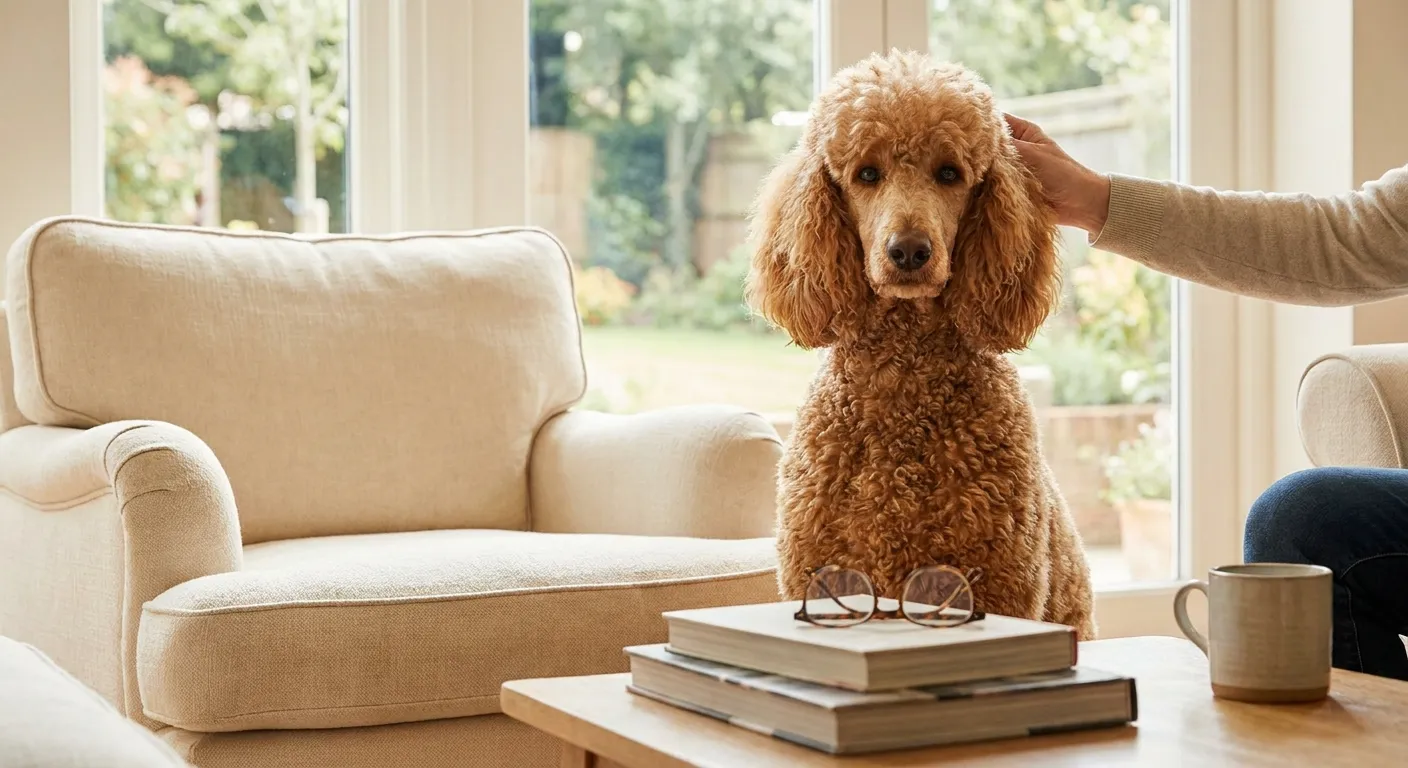
Poodles are renowned not just for their elegant appearance but also for their sharp minds and distinct personalities. Understanding Poodle personality traits is crucial for any owner, as it helps foster a stronger bond and ensures you meet your dog’s specific needs. Far from being merely ‘fancy,’ Poodles are intelligent, active, and deeply loyal companions with a rich inner life.
Unpacking Key Poodle Personality Traits
Poodles consistently rank among the most intelligent dog breeds. This trait makes them highly trainable. However, it also means they require significant mental stimulation. Without it, they can become bored and even destructive. Beyond their intellect, poodles are known for their profound loyalty to their families. They thrive on companionship and can be quite sensitive, often picking up on their owner’s moods. This sensitivity means they respond best to positive reinforcement training and a consistent, gentle approach.
They also possess a playful spirit that lasts well into adulthood. Whether it’s a Standard, Miniature, or Toy Poodle, they generally enjoy interactive games, learning new tricks, and being an active part of family activities. Their affectionate nature means they love to cuddle and be close to their people, often forming strong attachments. However, their intelligence and desire for attention can sometimes manifest as a ‘velcro dog’ tendency or even a bit of a mischievous streak if they feel ignored. For deeper insights into their mental needs, explore our guide on Enrich Poodle’s Mind: Advanced Strategies for Our Exceptionally Intelligent Companions.
The Poodle’s Intelligence: A Double-Edged Sword
The exceptional intelligence of poodles is one of their most defining characteristics. This high level of canine cognition means they grasp new commands quickly. Moreover, they excel in various dog sports like agility and obedience. Nevertheless, this mental prowess comes with a responsibility for owners. A bored poodle can quickly become a destructive one. Providing puzzle toys, consistent training, and engaging activities is vital for their well-being. According to the American Kennel Club, poodles consistently rank among the smartest breeds, making them highly desirable for those seeking a trainable companion.
Furthermore, their intelligence contributes to their problem-solving abilities. They can figure out how to open cabinets or escape enclosures if not properly stimulated. Therefore, understanding and channeling their mental energy is key to a harmonious household. This breed thrives on learning and human interaction. Consequently, daily training sessions, even short ones, are more than just discipline; they are a form of mental exercise that satisfies their sharp minds.
Loyalty and Affection: The Heart of a Poodle
Beyond their brains, the deeply loyal and affectionate nature of poodles makes them wonderful family pets. They form strong bonds with their human companions. Indeed, they often choose one person as their primary attachment, following them from room to room. This strong attachment explains why they are often called ‘velcro dogs.’ They simply want to be where you are.
Their affectionate gestures include leaning, nudging, and, of course, plenty of cuddles. They are sensitive to their owners’ emotions, offering comfort when you’re down and sharing in your joy. This emotional intelligence is a significant part of the overall poodle temperament. It’s important to remember that this sensitivity means they react poorly to harsh words or punishment. Instead, they flourish with positive reinforcement, gentle guidance, and plenty of praise. Building a strong, trusting relationship based on mutual respect is paramount for these sensitive souls.
Playfulness and Energy: Poodles Love to Have Fun
Poodles, regardless of their size, retain a playful demeanor well into their senior years. They love to engage in games like fetch, tug-of-war, and hide-and-seek. Their energy levels vary slightly by size, with Standard Poodles generally requiring more vigorous exercise than their Miniature or Toy counterparts. However, all poodles benefit from regular physical activity. This helps them stay healthy and happy. For tips on keeping your poodle active, refer to our article on Poodle Exercise Needs: Keeping Your Poodle Active and Engaged.
A lack of exercise can lead to boredom and destructive behaviors. Therefore, daily walks, playtime in a secure yard, and even swimming are excellent ways to burn off their energy. Their zest for life is contagious, making them delightful companions for active individuals and families. Engaging them in varied activities also prevents them from becoming complacent. This contributes positively to their overall well-being and temperament.
Poodle Temperament with Other Pets and Children
When properly socialized, poodles generally get along well with other pets and children. Their gentle and playful nature makes them suitable companions for families. Early socialization is crucial for any breed, and poodles are no exception. Exposing them to various sights, sounds, people, and other animals from a young age helps them develop into well-adjusted adults. For guidance on this, read our Poodle Puppy Socialization Tips: Building a Confident Companion.
With children, poodles can be wonderfully patient and tolerant. However, it’s essential to teach children how to interact respectfully with dogs. Always supervise interactions between dogs and young children to ensure safety for both. Their intelligence also means they can quickly learn household rules, making them adaptable family members. They thrive in environments where they feel like an integral part of the family unit.
Poodle Personality Traits: The Importance of Training and Consistency
Given their intelligence, training is not just recommended but essential for poodles. They respond exceptionally well to positive reinforcement methods. These include treats, praise, and play. Early obedience training helps establish good manners and strengthens the bond between owner and dog. Their eagerness to please, combined with their sharp minds, makes them quick learners.
Consistency is key when training a poodle. Establishing clear rules and boundaries from the start prevents confusion. This also helps them understand what is expected of them. Without consistent guidance, their intelligence can lead them to test boundaries or develop unwanted habits. A well-trained poodle is a joy to live with, showcasing the best of their personality characteristics. Furthermore, continuous mental stimulation through training and new tricks keeps their minds sharp and prevents boredom. Resources like the ASPCA offer valuable insights into dog behavior and training principles.
Addressing Potential Challenges in Poodle Personality Traits
While poodles possess many desirable traits, there are a few potential challenges owners should be aware of. Their sensitivity means they can be prone to separation anxiety if left alone for long periods. This can manifest as barking, destructive chewing, or house-soiling. Providing adequate mental and physical stimulation, along with gradual desensitization to being alone, can help mitigate these issues.
Additionally, their intelligence can sometimes lead to stubbornness if they perceive an inconsistency in training or if they’re not motivated. Patience and positive reinforcement are vital for overcoming these moments. Sometimes, their protective instincts can lead to excessive barking, which can be managed with proper training and understanding of their vocalizations. For more on this, consider our article on Why Poodles Bark: Decoding Your Poodle’s Vocalizations. Understanding these nuances of poodle behavior ensures a harmonious relationship.
Conclusion: Embracing the Unique Poodle Personality
In conclusion, the Poodle personality traits of intelligence, loyalty, playfulness, and sensitivity combine to create a truly unique and rewarding companion. By appreciating these characteristics, owners can provide the rich, stimulating environment their Poodle needs to thrive, ensuring a happy and well-adjusted family member. Poodles are much more than just their elegant appearance; they are complex, loving, and highly intelligent dogs who bring immense joy to their homes. Understanding their distinct personality characteristics is the first step toward a fulfilling relationship. Remember, a happy poodle is a well-understood poodle, and their unique character truly makes them stand out among canine companions.
FAQ
What defines the typical poodle character?
The typical poodle character is defined by a combination of high intelligence, deep loyalty, a playful spirit, and remarkable sensitivity. These dogs are very smart, eager to please, and form strong bonds with their families, often enjoying interactive games and cuddles.
Are poodles good family dogs?
Yes, poodles generally make excellent family dogs. Their affectionate and patient nature, especially when well-socialized, allows them to get along well with children and other pets. Their intelligence also makes them highly trainable, adapting well to family life.
Do poodles need a lot of attention?
Poodles do require a significant amount of attention and companionship. They thrive on being part of family activities and can develop separation anxiety if left alone for extended periods. Their intelligent and sensitive nature means they need both mental and physical engagement.
How do different poodle sizes affect their temperament?
While the core temperament remains consistent across sizes, there can be slight variations. Standard Poodles are often described as calm and dignified, Miniature Poodles as more energetic and outgoing, and Toy Poodles as charming and sometimes a bit feisty. All share the breed’s intelligence and affection.
What are common poodle behavioral traits to be aware of?
Common poodle behavioral traits include their tendency to be ‘velcro dogs’ due to their strong attachment, potential for mischief if bored, and sensitivity to their owner’s moods. They can also be prone to barking if not properly trained or stimulated. Consistent positive reinforcement is key to managing these traits.