When you think about keeping your Poodle healthy, you probably focus on diet, grooming, and exercise. But there’s one crucial element that often gets overlooked — hydration. Just like humans, dogs depend on water for nearly every bodily function, from digestion and temperature control to energy and joint health.
Whether you have a playful Toy Poodle, a lively Miniature, or a graceful Standard, hydration for healthy Poodles is vital for maintaining their energy, glossy coats, and overall vitality. Let’s explore why water matters so much, how much your Poodle needs, and how to encourage better hydration every day.
Why Hydration Matters for Poodles
Water is the foundation of your Poodle’s health. Their bodies are made up of about 60–70% water, and even mild dehydration can cause noticeable changes in their behavior and physical well-being.
Water supports your Poodle’s:
- Digestion and nutrient absorption – helps process food efficiently.
- Temperature regulation – keeps them cool, especially after play.
- Joint and muscle function – lubricates joints and prevents stiffness.
- Circulation – delivers oxygen and nutrients throughout the body.
- Waste elimination – flushes toxins from kidneys and the urinary system.
For Poodles — especially active or thick-coated ones — proper hydration helps maintain stamina, supports their skin and coat health, and aids in recovery after exercise.
How Much Water Does Your Poodle Need?
Every Poodle is unique, but a general rule of thumb is:
Dogs need about one ounce of water per pound of body weight each day.
That means:
- Toy Poodle (6–9 lbs): 6–9 ounces daily
- Miniature Poodle (12–15 lbs): 12–15 ounces daily
- Standard Poodle (45–70 lbs): 45–70 ounces daily
However, factors like activity level, temperature, diet, and age can increase these needs.
Your Poodle will need more water if:
- They’re very active or exercised heavily
- The weather is hot or humid
- They’re nursing or pregnant
- They eat mostly dry kibble
- They’ve been ill, especially with vomiting or diarrhea
Hydration isn’t one-size-fits-all — observing your Poodle’s habits is key to meeting their needs.
Signs Your Poodle May Be Dehydrated
Poodles are sensitive and expressive dogs, so it’s often easy to spot when something’s off. Watch for these common signs of dehydration:
- Dry nose and sticky gums
- Sunken eyes
- Lethargy or fatigue
- Loss of skin elasticity (the “tent test”)
- Excessive panting
- Reduced urine output or dark yellow urine
Try the skin test: Gently pinch the skin on the back of your Poodle’s neck. If it doesn’t quickly spring back, dehydration may be an issue.
If you notice multiple signs, encourage your dog to drink water immediately and contact your vet if symptoms persist — dehydration can escalate quickly, especially in smaller Poodles.
How Hydration Affects Your Poodle’s Coat and Skin
One of the hallmarks of a healthy Poodle is their soft, curly coat. Proper hydration plays a major role in maintaining that signature texture and shine.
When your Poodle is well-hydrated:
- The skin stays supple and elastic.
- The coat appears shiny, not dull.
- Natural oils are evenly distributed.
- Less dandruff or irritation occurs.
Dehydration, on the other hand, can lead to brittle fur, dry skin, and increased shedding. Poodles prone to allergies or sensitive skin need consistent hydration to keep their coats healthy and comfortable.
Hydration and Nutrition: A Powerful Combination
Your Poodle’s hydration and nutrition go hand in hand. Even the best dog food can’t deliver its full benefits if your dog is dehydrated.
Here’s how they work together:
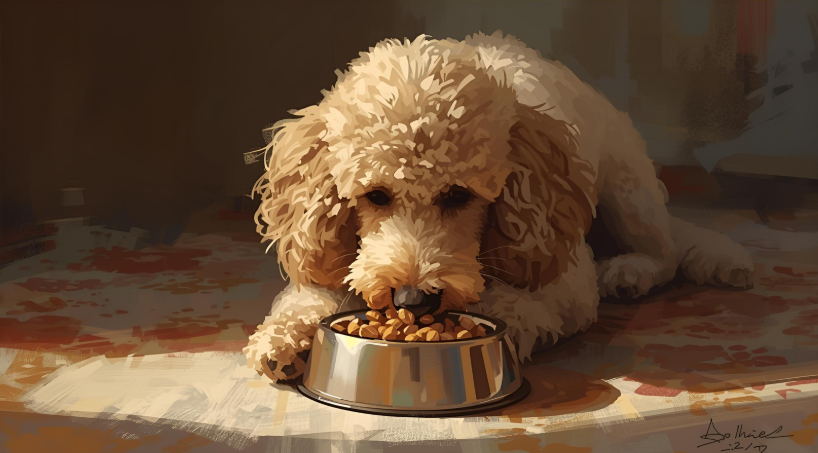
- Dry kibble can dehydrate dogs slightly, so always provide water alongside meals.
- Wet food naturally contains around 70–80% water, which boosts hydration levels.
- Fruits and veggies like cucumbers, watermelon, and carrots can supplement fluid intake.
A balanced diet that includes high-quality food and water-rich snacks supports long-term health, digestion, and coat quality.
How to Encourage Your Poodle to Drink More Water
Some dogs, especially picky Toy or Miniature Poodles, may not naturally drink enough. The good news? There are simple ways to make hydration more appealing.
Try these tips:
- Use a pet water fountain: The sound of flowing water encourages dogs to drink more.
- Keep water bowls clean: Change and wash them daily to avoid odors or slime buildup.
- Place multiple bowls around your home: Easy access means more frequent drinking.
- Add a splash of bone broth: Low-sodium, unsalted broth can make water more enticing.
- Feed hydrating snacks: Cucumber slices, apple pieces, and melon chunks are great options.
- Monitor intake: Note how much your Poodle drinks each day — consistency matters.
Hydration becomes a habit when water is fresh, easy to reach, and slightly fun to drink.
Hydration Tips for Active and Outdoor Poodles
Standard Poodles, in particular, are athletic dogs who love to run, swim, and play. But with activity comes increased fluid loss.
Before and after exercise:
- Offer small amounts of water at intervals to prevent gulping.
- Avoid letting your dog drink large volumes immediately after strenuous play (to reduce risk of bloat).
- Always carry a portable dog water bottle on walks or trips.
- In hot weather, take breaks in the shade and check for signs of overheating.
Hydration keeps your energetic Poodle safe from exhaustion and heat-related illnesses like heatstroke.
Hydration for Senior Poodles
As Poodles age, their bodies process water less efficiently. Senior dogs are at higher risk for dehydration, especially if they have kidney issues, diabetes, or reduced mobility.
To support older Poodles:
- Encourage frequent small drinks throughout the day.
- Offer wet food or mix water into dry kibble.
- Monitor urine color and bathroom frequency.
- Visit your vet regularly for hydration and kidney function checks.
Proper hydration helps senior Poodles maintain energy, mobility, and organ health well into their golden years.
Can Poodles Drink Too Much Water?
Yes — although rare, overhydration (water intoxication) can happen, particularly if your dog gulps excessive water after exercise or swimming.
Symptoms include:
- Nausea or vomiting
- Lethargy
- Bloating
- Loss of coordination
If you notice these signs, contact your vet immediately. Balance is key — hydration should be steady and consistent, not excessive in short bursts.
When to See a Vet About Hydration Issues
If your Poodle refuses water, drinks excessively, or shows ongoing dehydration symptoms, a vet visit is necessary. These issues could signal underlying conditions such as:
- Kidney disease
- Diabetes
- Urinary tract infections
- Cushing’s disease
Your vet may recommend diagnostic tests and a customized hydration or diet plan to support your dog’s specific health needs.
Practical Hydration Routine for Every Poodle
Here’s a simple daily routine to ensure your Poodle stays well-hydrated:
- Morning: Fresh water at breakfast, check bowl cleanliness.
- Afternoon: Offer water after walks or playtime.
- Evening: Refresh water bowl with cool water before bedtime.
- Weekly: Wash water bowls thoroughly to prevent bacteria.
- Always: Keep an emergency portable bowl handy during trips.
Consistency builds lasting hydration habits and keeps your Poodle’s energy levels steady throughout the day.
Conclusion
Keeping your Poodle properly hydrated is one of the easiest — yet most powerful — ways to support their health. From boosting digestion to enhancing their luxurious coat, hydration affects every part of their body.
By ensuring easy access to fresh water, watching for dehydration signs, and making hydration a daily priority, you’re helping your Poodle stay active, happy, and radiant for years to come.
Water truly is the secret ingredient to a healthy, thriving Poodle — simple, natural, and absolutely essential.
FAQ
1. How can I tell if my Poodle is dehydrated?
Check for dry gums, lethargy, and slow skin elasticity return when pinched. If unsure, contact your vet.
2. Should I give bottled or tap water?
Clean tap water is usually fine, but filtered water can reduce exposure to chlorine and contaminants.
3. Can Poodles get dehydrated in winter?
Yes. Indoor heating can dry the air, causing moisture loss even in cooler months.
4. How can I keep my Poodle hydrated during travel?
Bring a collapsible bowl and bottled water. Offer small sips during breaks to prevent dehydration.
5. Is wet food better for hydration?
Yes, wet food provides extra moisture and helps maintain fluid balance, especially for picky drinkers or senior Poodles.